





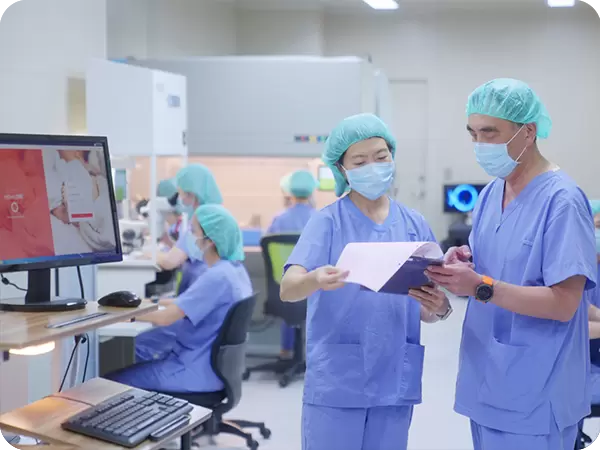


Worried About a Thin Endometrium and IVF Failure? How PRP Therapy Can Optimize Your Uterine Environment.
Maw-Sheng Lee
2022.10.13
2026.03.25
Catalog
- Introduction to PRP treatment
- What is PRP treatment?
- What are the advantages of PRP treatment?
- Who needs PRP treatment?
- Procedure of PRP treatment
Recommended
- Gynecology Care 2026.03.25 《 Netizens Questions 》I really want to get pregnant! But I have a history of gynecological problems.
- Fertility Medicine 2026.03.25 《 Netizens Questions 》Questions During Pregnancy
- Egg / Sperm Freezing 2026.03.10 AMH fertility test: Understand your fertility potential through AMH testing for ovarian reserve
Categories
PRP therapy began 60 years ago with orthopedic surgeons in the U.S. and has now expanded into a wide range of medical fields. While already highly mature in treating bone and joint conditions, a wealth of recent clinical data shows that PRP therapy also delivers exceptional results in OB-GYN and reproductive medicine. Studies have shown that by improving endometrial thickness and the overall uterine environment, PRP therapy significantly boosts embryo implantation and pregnancy rates for women who have struggled with repeated IVF failures due to a thin uterine lining or other endometrial factors.
What is PRP treatment?
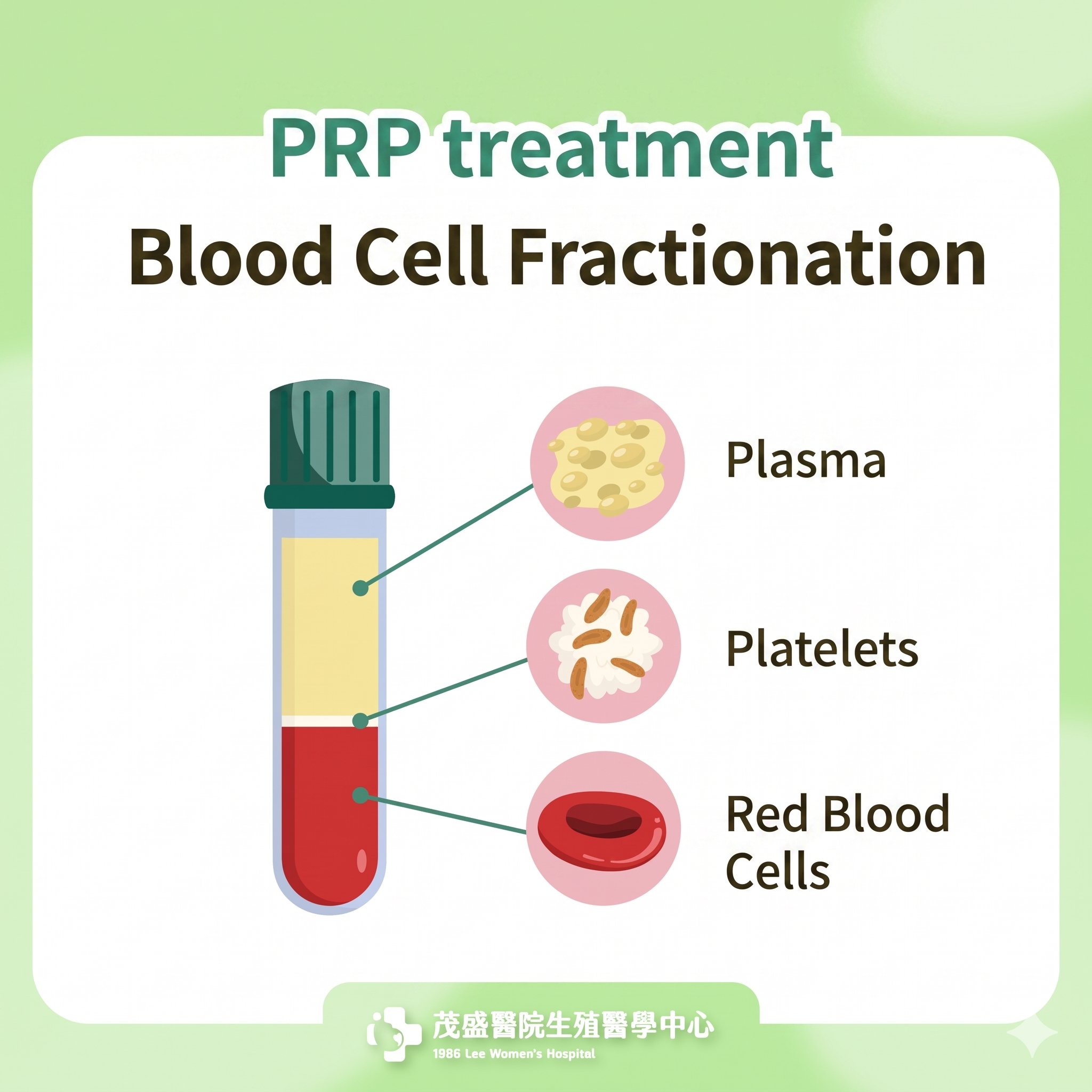
This technology isolates and concentrates platelets from your own blood, using physical techniques to naturally activate them. This process releases critical growth factors to create a powerful platelet lysate. Compared to regular plasma, this concentrated solution is packed with a much higher density of growth factors, which effectively triggers and accelerates the repair and regeneration of damaged cells and tissues.
What are the advantages of PRP treatment?
Packed with a high concentration of growth factors, this solution is well-known for boosting cell and tissue repair and regeneration, while also reducing inflammation. Additionally, since the injected growth factors come directly from the patient's own blood, this PRP treatment is highly safe and significantly reduces the chance of an allergic reaction or rejection.
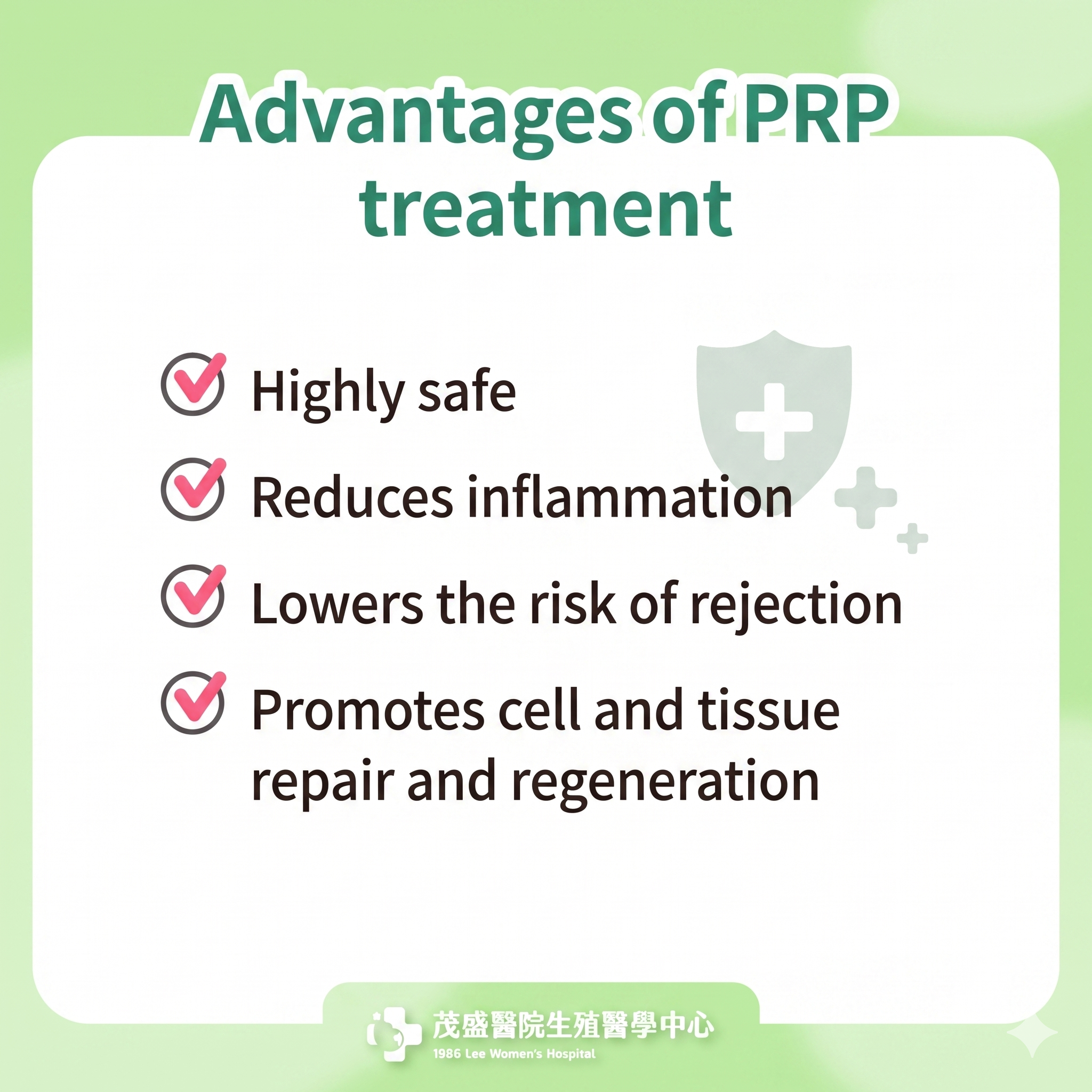
Advantages of PRP treatment:
- Highly safe
- Reduces inflammation
- Lowers the risk of rejection
- Promotes cell and tissue repair and regeneration
Who needs PRP treatment?
While PRP treatment is already a mainstream therapy in orthopedics across Taiwan, a wealth of international research now confirms its incredible benefits in OB-GYN and reproductive medicine—especially for patients facing the following challenges:
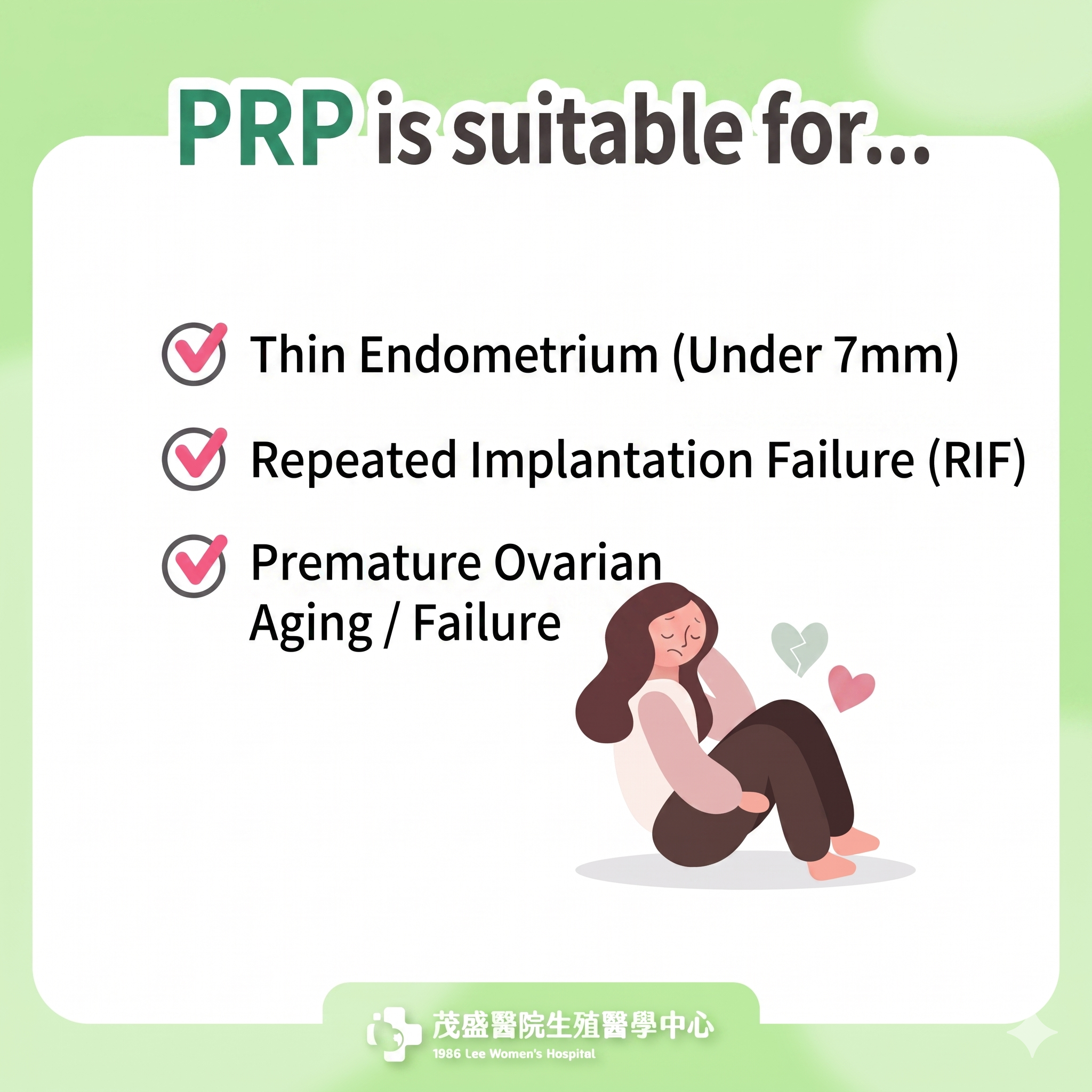
Thin Endometrium (Under 7mm)
If a thin uterine lining caused by aging or prior damage is preventing a successful pregnancy, PRP treatment can help by improving the overall lining environment and increasing endometrial thickness.
Premature Ovarian Aging / Failure
PRP treatment helps rejuvenate ovarian function. Both domestic and international studies show that PRP treatment can be used to help restore ovaries, boosting their function so patients can successfully retrieve viable eggs. Here at Lee Women’s Hospital, our ongoing research into similar cases has shown highly promising improvements in ovarian function.
Repeated Implantation Failure (RIF)
When conventional methods offer no clear answers, multiple studies worldwide have proven that PRP treatment can significantly upgrade the uterine environment, offering a breakthrough for patients dealing with repeated implantation failure.
Procedure of PRP treatment
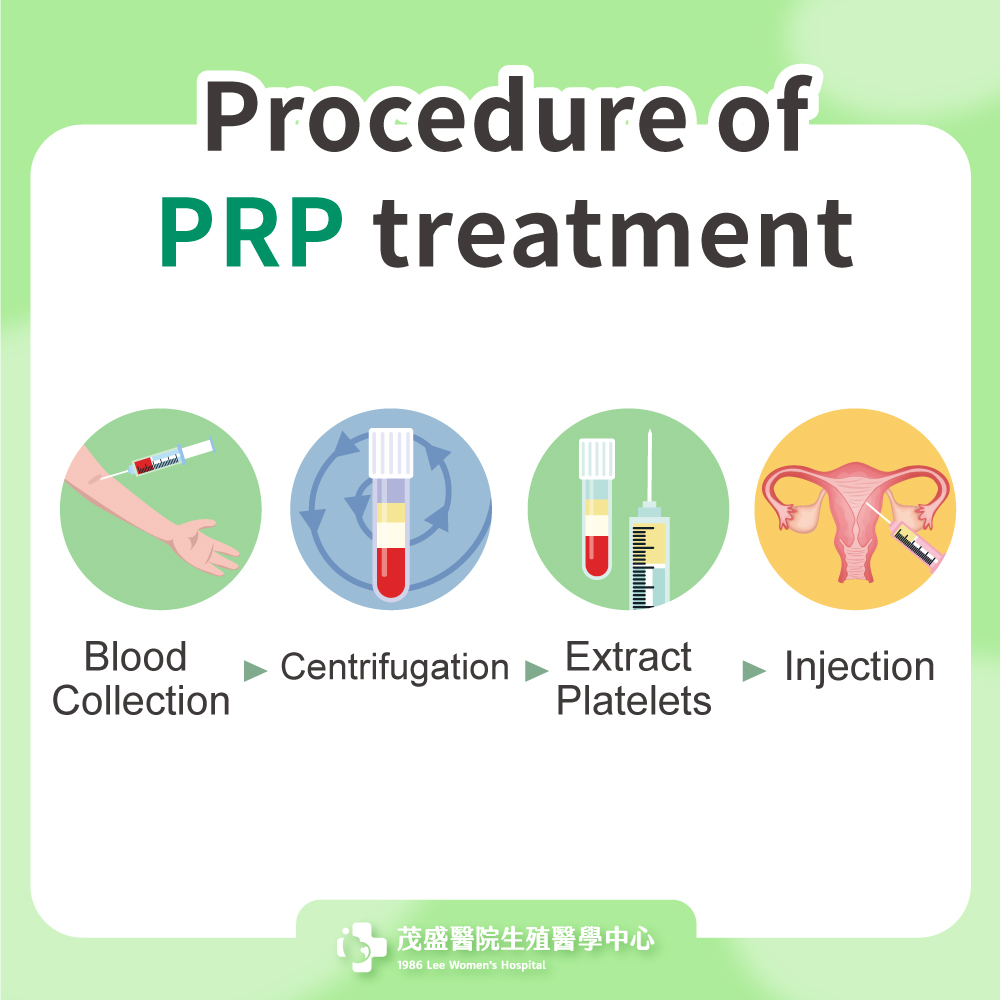
Blood Collection: A standard blood draw of 40–60 c.c. is performed.
Centrifugation Process: The collected blood is processed in a high-speed centrifuge.
Extracting Platelets: The highly concentrated platelets are carefully extracted from the sample.
Targeted Injection: The prepared PRP solution is then injected directly into the specific treatment area.
The Next Generation of Treatment: TCR-PRP Subendometrial Injection
While standard reproductive PRP therapy in Taiwan typically relies on Intrauterine Infusion (IU-PRP), Lee Women's Hospital offers the cutting-edge TCR-PRP technique (Transcervical Subendometrial Injection). Instead of a general wash, this next-generation method delivers targeted injections at multiple specific points between the uterine lining and the muscular wall of the uterus.
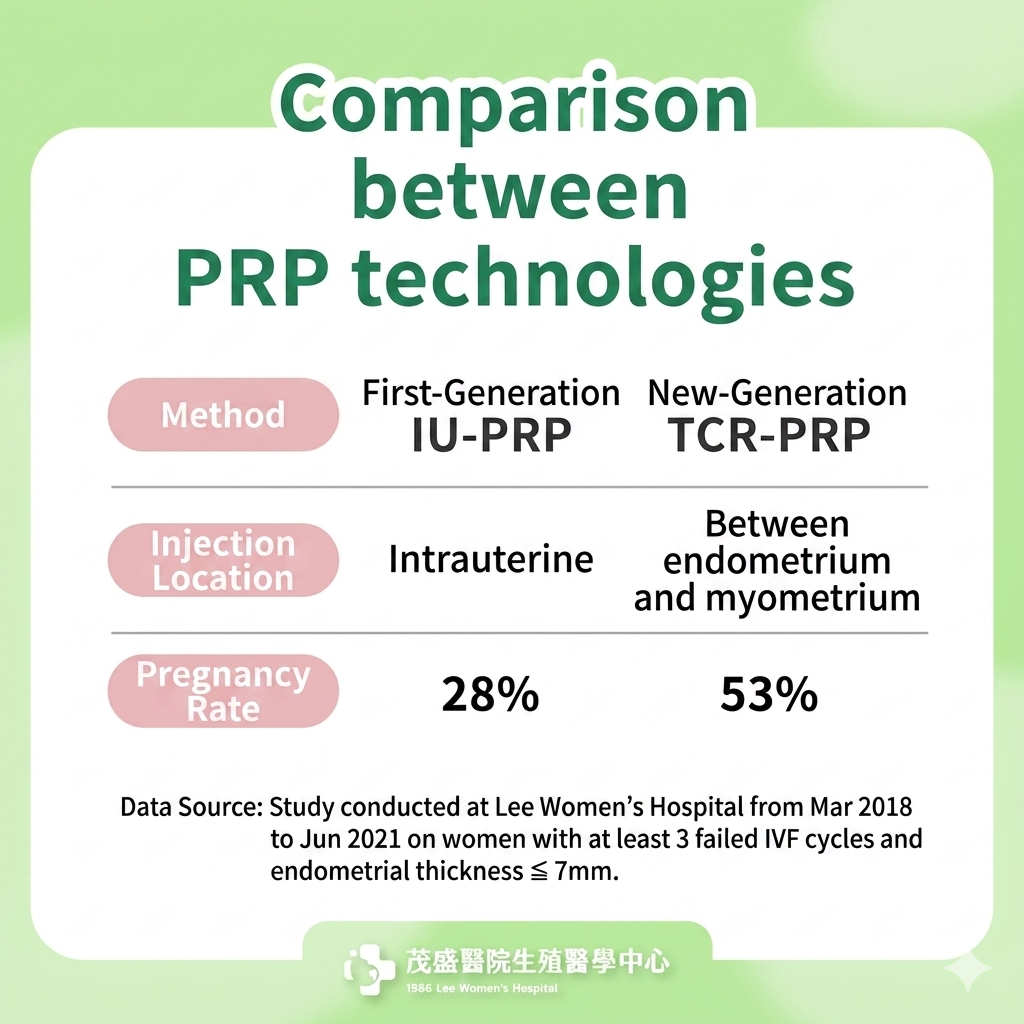
Clinical cases from Lee Women’s Hospital between 2018 and 2021 reveal that our treatment can increase uterine lining thickness by up to 2–4 mm. This remarkable improvement optimizes embryo implantation, driving the pregnancy rate up to 53%. Compared to the 28% pregnancy rate of standard IU-PRP, the cutting-edge TCR-PRP technique used here at Lee Women’s Hospital effectively doubles your chances of a successful pregnancy!
Real-life Stories
If you have any further questions, please feel free to contact us.
How to Reach Our Regional Medical Offices?
M.D./ Ph.D.
Founder & President, Lee Women’s Hospital
National Policy Advisor, Office of the President, Republic of China (Taiwan)/Founder & Chairman, Taiwan Infertility Foundation/Representative Member, Taiwan Association of Obstetrics and Gynecology (TAOG)/Consultant Physician, Department of Obstetrics & Gynecology, Chung Shan Medical University Hospital
M.D.
Vice Superintendent of Lee Women's
Reproductive Medicine /Reproductive endocrine/Obstetrics and Gynecology