





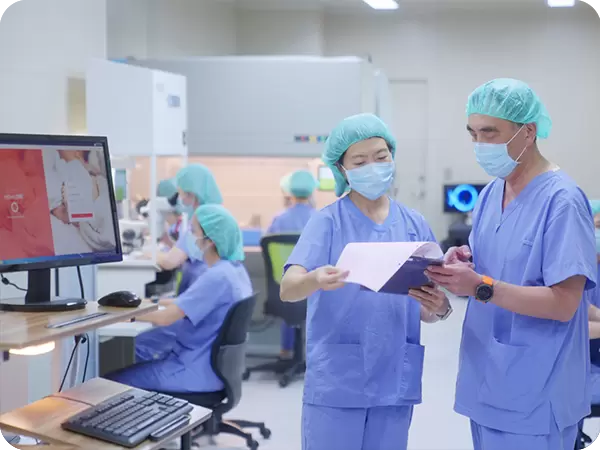


Laboratory Facilities
A World-Class Laboratory Built with Multi-Million Investment — Ensuring Every Oocyte Stays Safely In-House
Lee Women’s Hospital in Taichung has achieved international recognition for laboratory excellence, earning both the College of American Pathologists (CAP) accreditation and the ISO 15189 certification from the Taiwan Accreditation Foundation (TAF). These international benchmarks demonstrate our commitment to providing safe and precise reproductive medical services.
Our Laboratory Department participates in external quality assessments by professional medical laboratory associations twice a year to monitor testing accuracy and reliability. Additionally, we conduct inter-laboratory comparisons and internal proficiency tests with other certified laboratories across Taiwan to ensure continuous improvement and uphold world-class standards.

Equipment Overview – Our Three Reproductive Laboratories


Reproductive Research Laboratory
Founded 40 years ago, Lee Women’s Hospital established one of Taiwan’s earliest laboratories dedicated to reproductive medicine. Today, the Reproductive Research Laboratory is equipped with over NT$100 million in advanced instruments and staffed by ten senior embryologists with master’s and doctoral degrees. With over 350 scientific publications and long-term collaboration at international conferences, our team continues to advance IVF research and technology. These ongoing efforts have helped make Taiwan a benchmark for advanced IVF treatment in Asia, achieving success rates comparable to top U.S. programs.

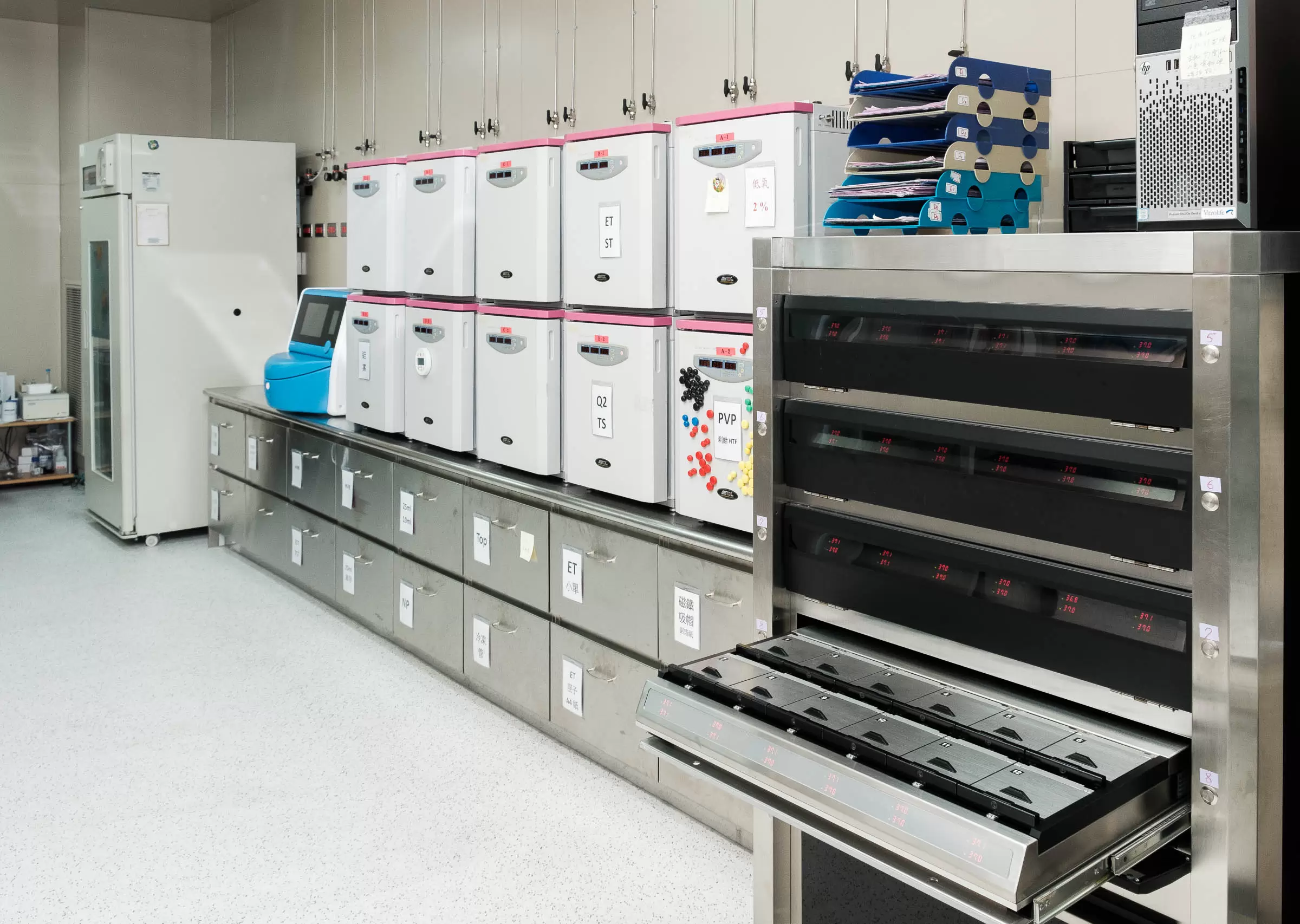
Dry and Traditional Embryo Incubators
Equipped with 30 traditional humidified incubators and 2 customized dry-type incubators (96 chambers), each with independent gas pipelines using low-oxygen (tri-gas) and ultra-pure gases (99.999%), ensuring optimal conditions for embryo growth.
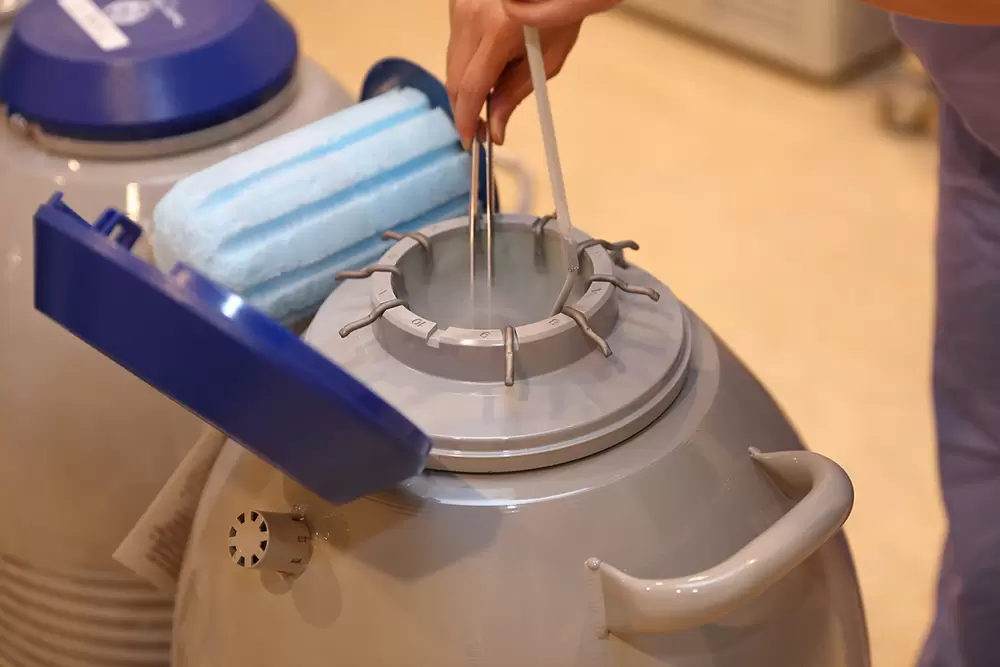
Oocyte / Sperm / Embryo Bank
A 24-hour access-controlled cryostorage facility preserving oocytes, sperm, and embryos in liquid nitrogen at −196°C. Each tank features a real-time liquid-level alarm system for continuous monitoring and safety.
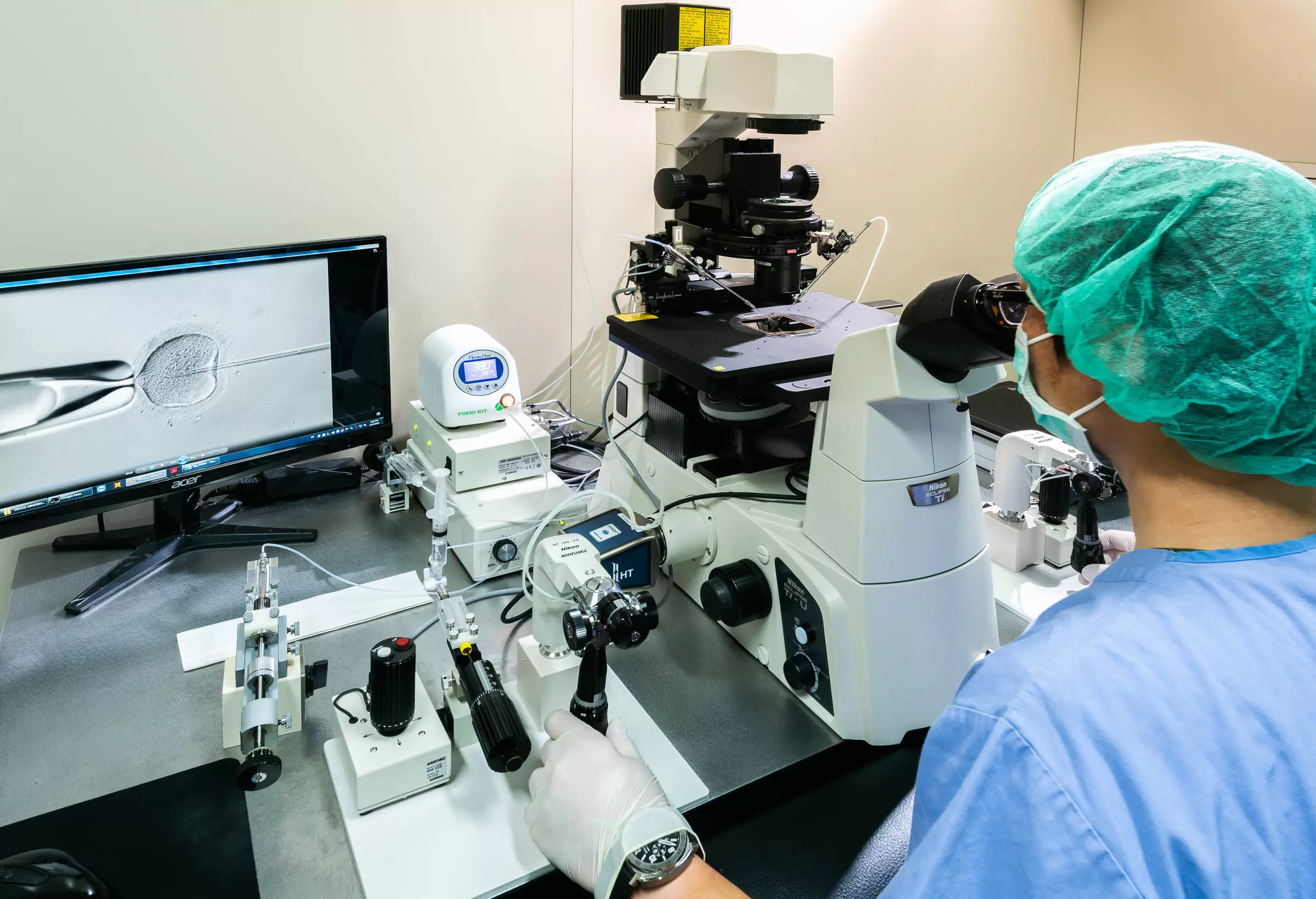
Micromanipulator
A precision device used to inject a single sperm into an oocyte, effectively improving fertilization accuracy and embryo quality.
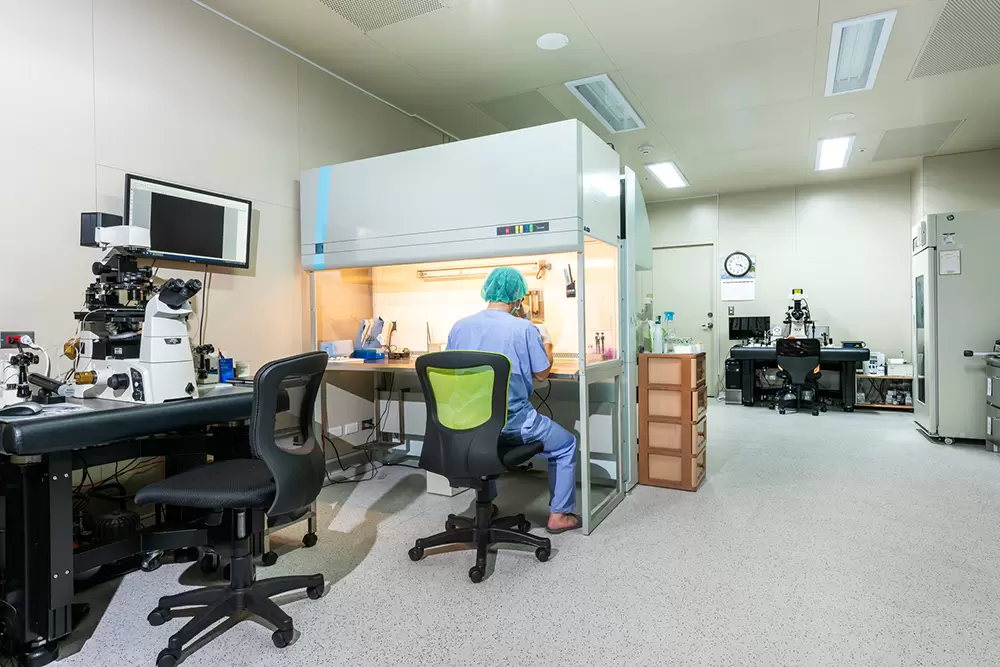
Nominal Flow Workstation
The laboratory includes six German-imported nominal flow workstations with temperature-controlled panels and microscopes, maintaining a safe and sterile environment for all embryo-handling procedures.
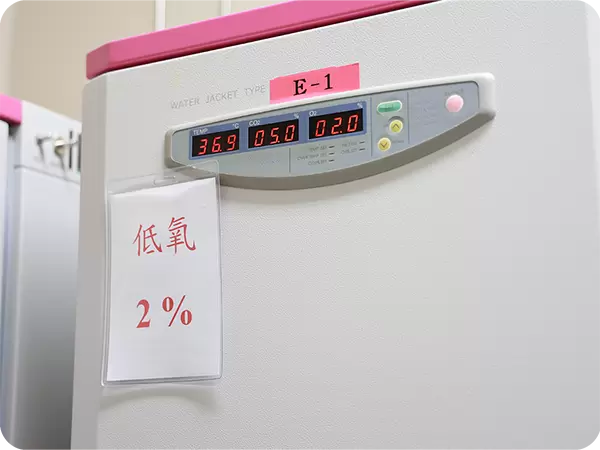
Hypoxia Embryo Culture System
Used for embryos requiring special conditions, maintaining 2% oxygen concentration to simulate the uterine environment and enhance blastocyst development.
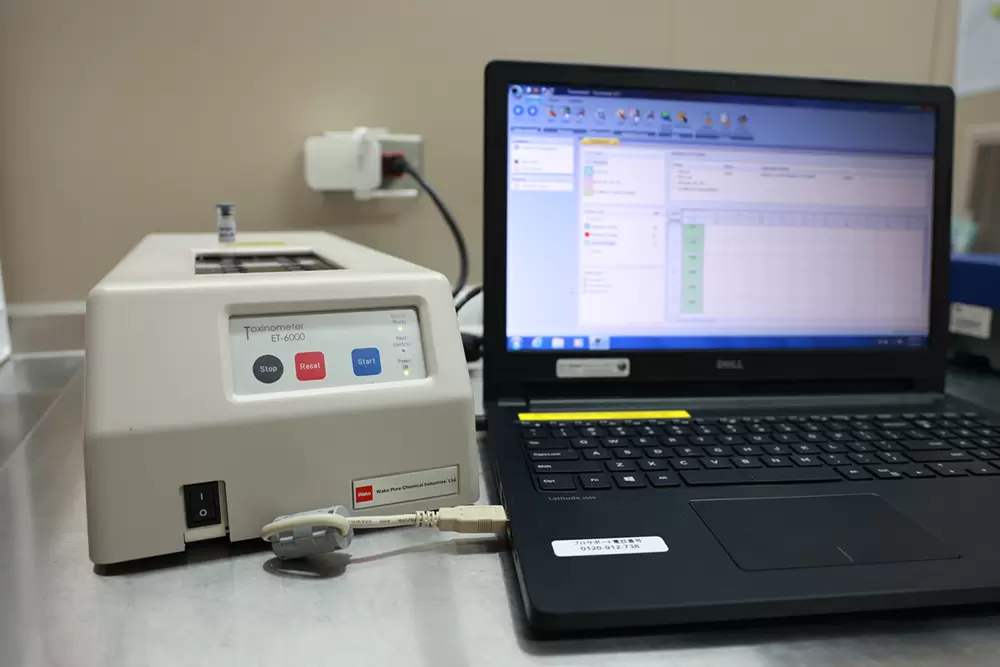
Endotoxin Analyzer
Each batch of culture medium undergoes endotoxin testing to ensure the highest quality and safety standards before use.
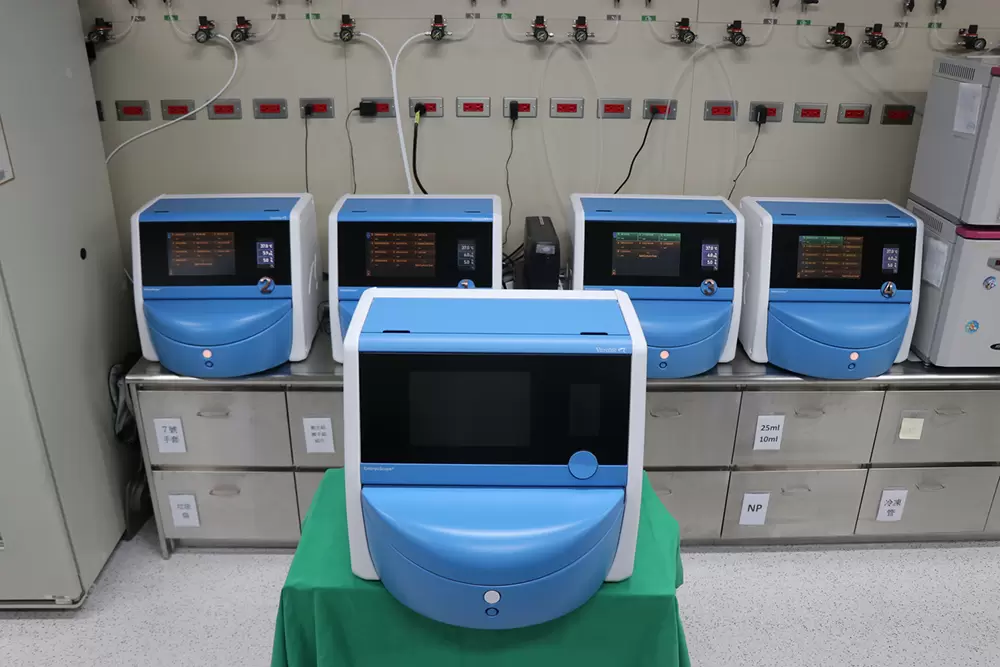
Time-Lapse Embryo Culture System
This system continuously observes embryo development without removing them from incubation, allowing embryologists to analyze morphokinetic growth patterns and select the most viable embryos for transfer.
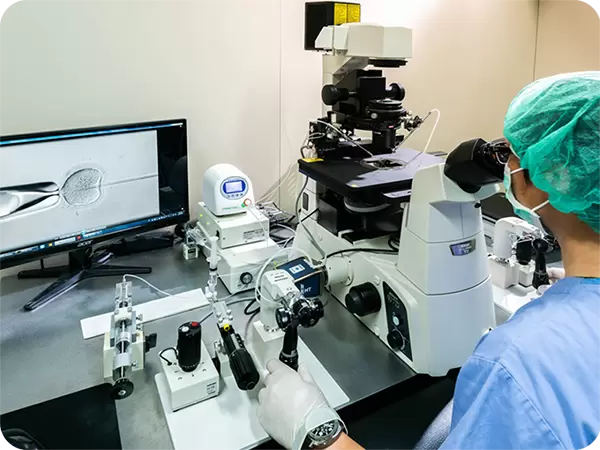
Spindle View
Using polarized light microscopy, embryologists identify the spindle position within the oocyte, minimizing injection risks and improving fertilization precision.
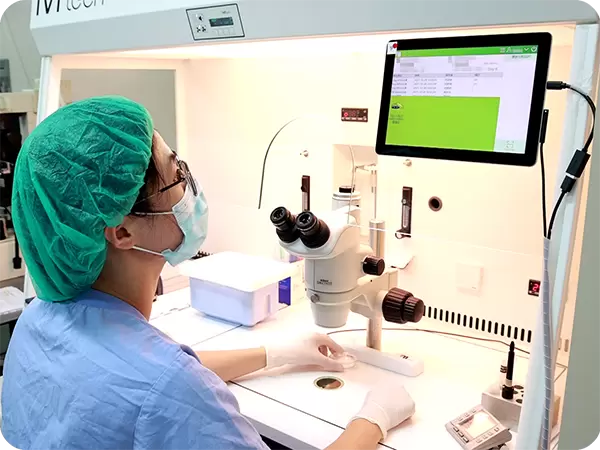
Electronic Witness System
The RFID-based Witness System verifies every IVF step—from oocyte retrieval to embryo culture—ensuring traceability, identity accuracy, and procedural safety.
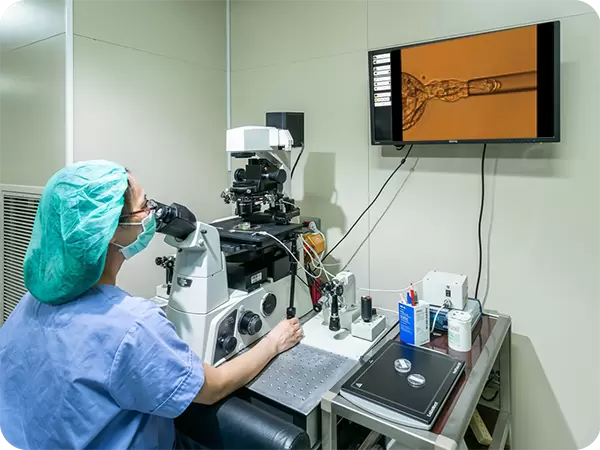
Embryo Biopsy
A critical technique for chromosomal and genetic testing (PGT-A / PGT-M), allowing the selection of genetically normal embryos before transfer to improve pregnancy outcomes.
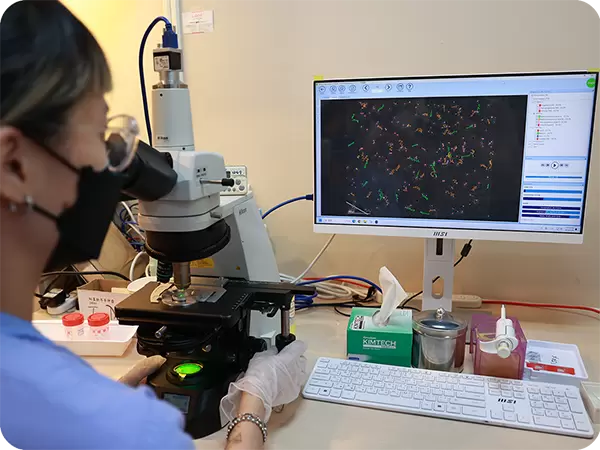
Computer Assistant Sperm Analyzer (CASA)
An automated imaging and analysis system that evaluates sperm concentration, motility, and morphology with accuracy and consistency.
IVF Laboratory
The IVF Laboratory integrates all advanced reproductive technologies within a CAP- and ISO-certified environment, ensuring precision, reliability, and patient safety throughout every treatment stage.

Genetic Diagnosis Laboratory
The Genetic Diagnosis Laboratory at Lee Women’s Hospital (Taichung Main Branch) operates under the ISO 15189 international standard, maintaining a rigorous laboratory quality management system. The lab has been accredited by the Taiwan Accreditation Foundation (TAF), providing preimplantation genetic testing for aneuploidy (PGT-A) with internationally recognized standards. This certification reflects our continuous commitment to precision, reliability, and technical excellence in reproductive genetic testing.
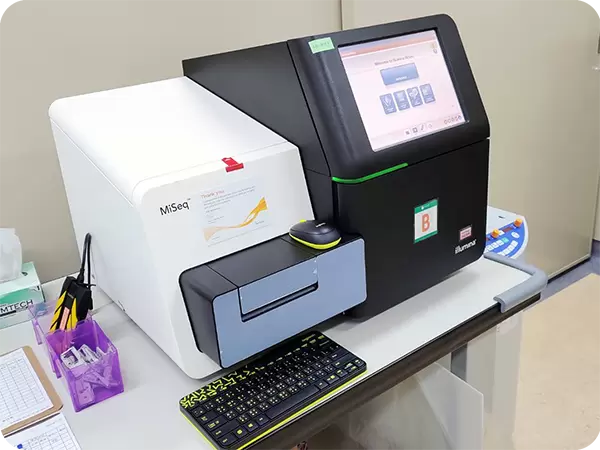
Next Generation Sequencing Machine
Utilizing next-generation sequencing (NGS) technology, the lab performs high-accuracy chromosomal and genetic analysis to support advanced reproductive diagnostics.
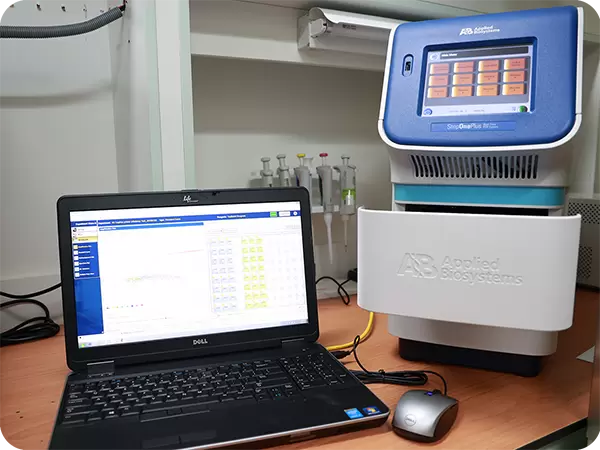
Real-Time Quantitative Polymerase Chain Reaction (PCR) Instrument
Applied for early detection of monogenic hereditary diseases, providing vital insight into embryonic and fetal health.
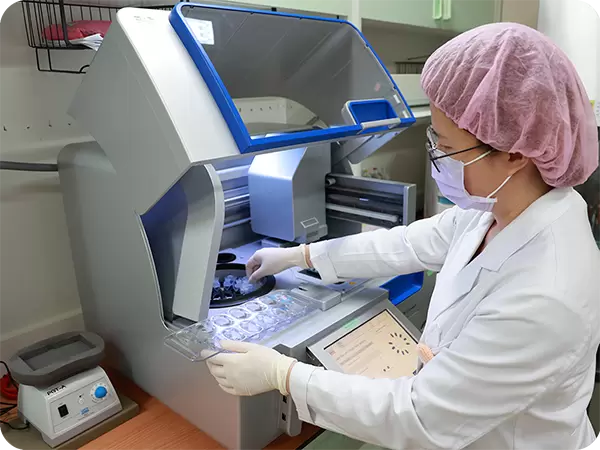
QIAcube Automatic Nucleic Acid Extraction System
Performs semi-automated extraction and purification of nucleic acids, ensuring accuracy and consistency in molecular testing.
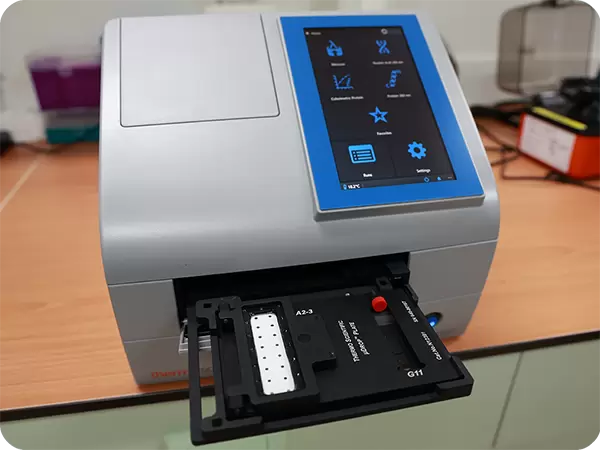
Full Spectrum Microplate Spectrophotometer
Used for quantitative analysis of nucleic acids and proteins, providing precise data for genetic and biochemical research.
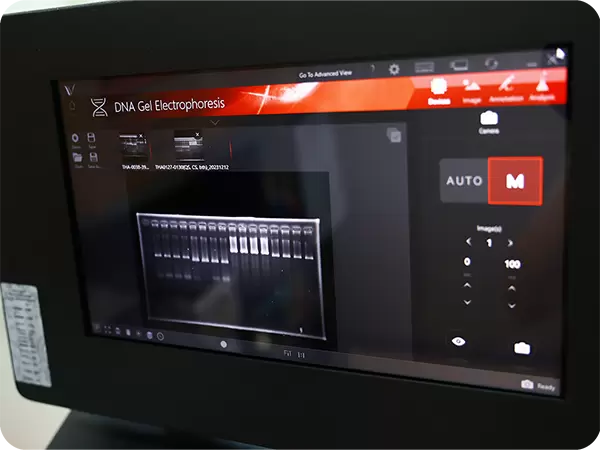
UVP ChemStudio Imaging Systems
A high-sensitivity, automated imaging platform designed for chemiluminescent and fluorescent samples, ensuring accurate visualization and documentation.
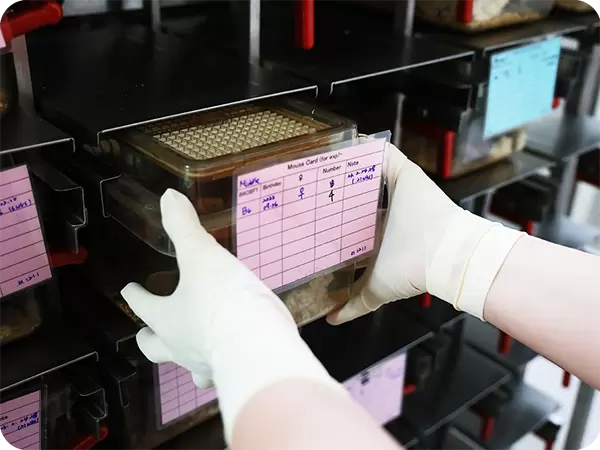
Animal Breeding Room – Individually Ventilated Cage (IVC) System
Supports basic reproductive research in animal models, facilitating studies on gene therapy and cellular genetic restoration for future applications.
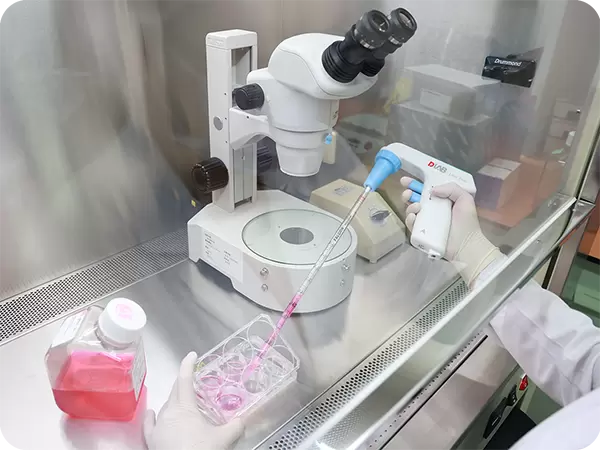
The Culture System for Embryonic Stem Cells
Dedicated to developing and refining genetic testing methods, studying reproductive genetic mechanisms, and establishing embryonic stem cell lines for precision medicine research focused on women and children.
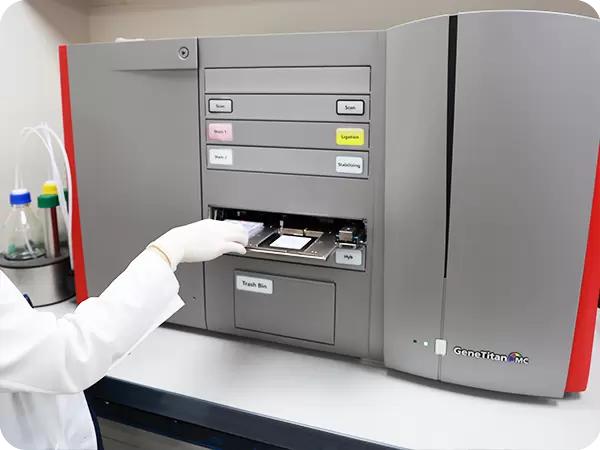
GeneTitan Multi-Channel (MC) Instrument
Performs high-throughput genotyping for genetic polymorphism detection and large-scale molecular analysis.
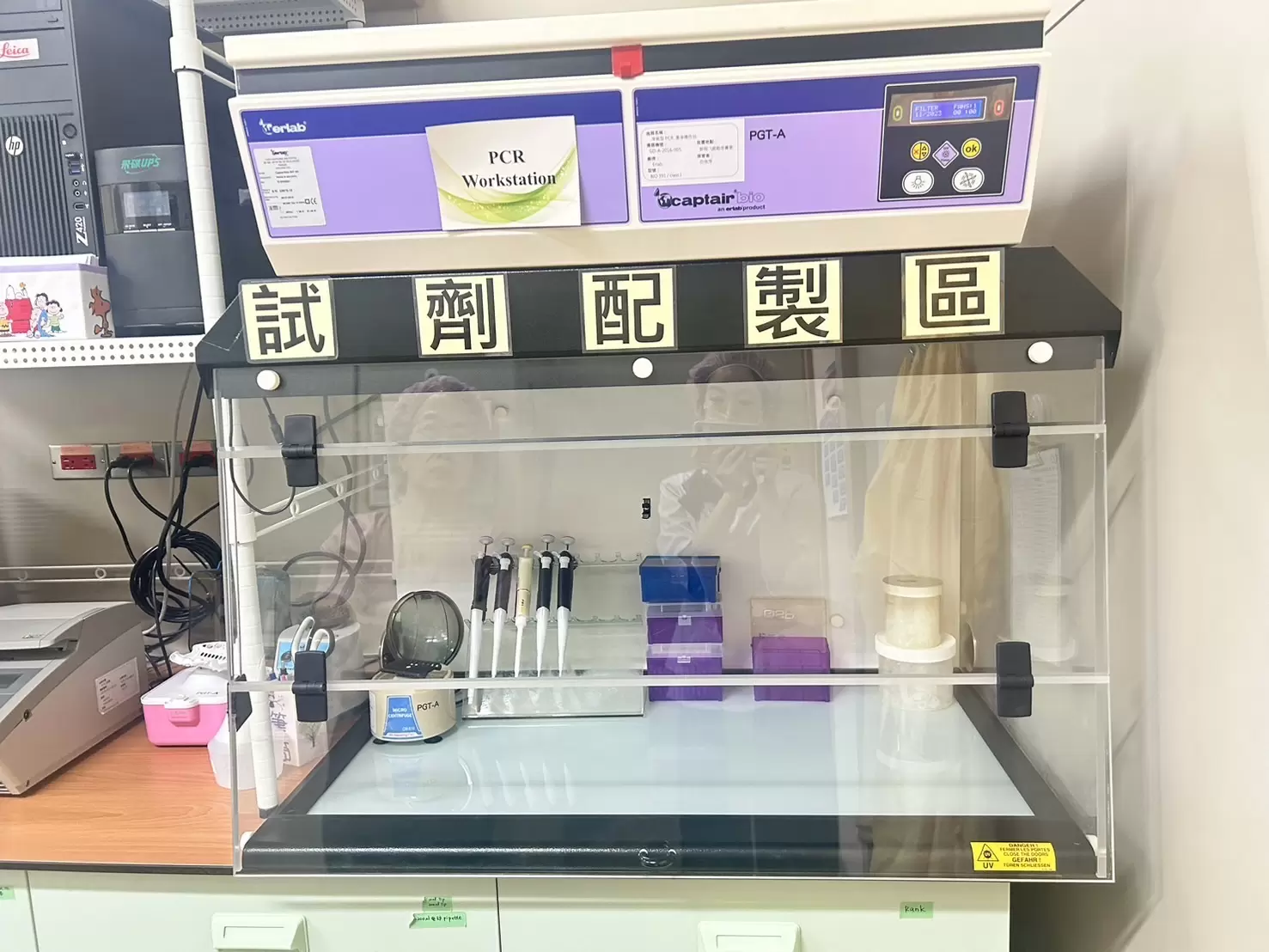
Clean Bench for PCR Operation
The air-purified PCR workstation is equipped with UV sterilization to eliminate airborne contaminants and prevent cross-contamination between experiments.
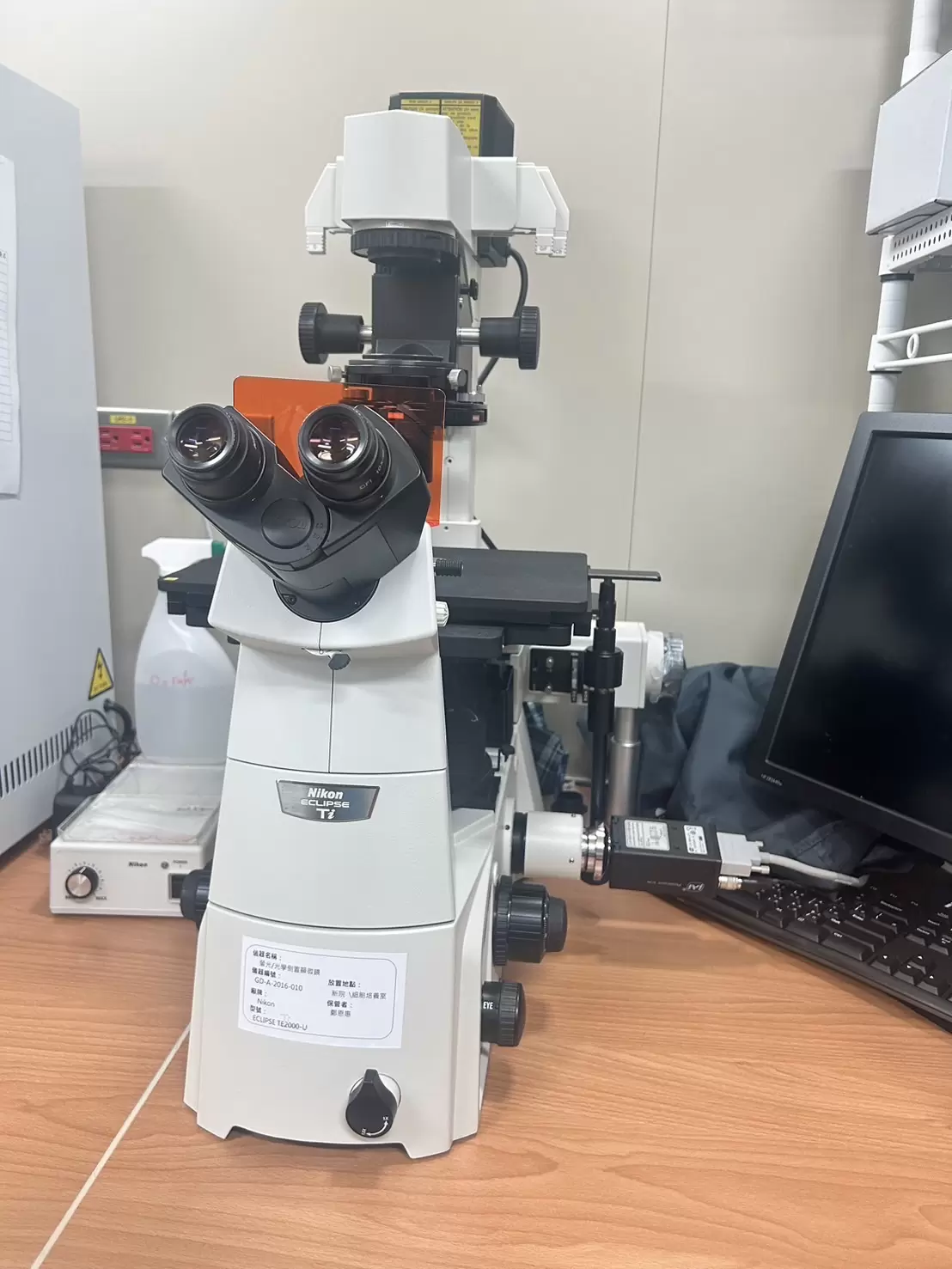
Fluorescence / Optical Inverted Microscope
Through fluorescence staining and imaging, the microscope enables accurate identification and documentation of chromosomal abnormalities in genetic testing.

Genetic Laboratory
The Genetic Laboratory focuses on chromosome karyotype analysis for infertility patients, gamete donors, pediatric cases, and prenatal samples such as amniotic fluid or chorionic villi. Unlike most infertility centers, Lee Women’s Hospital offers an in-house cytogenetics laboratory, enabling one-stop comprehensive testing for accurate diagnostic results and enhanced patient care.
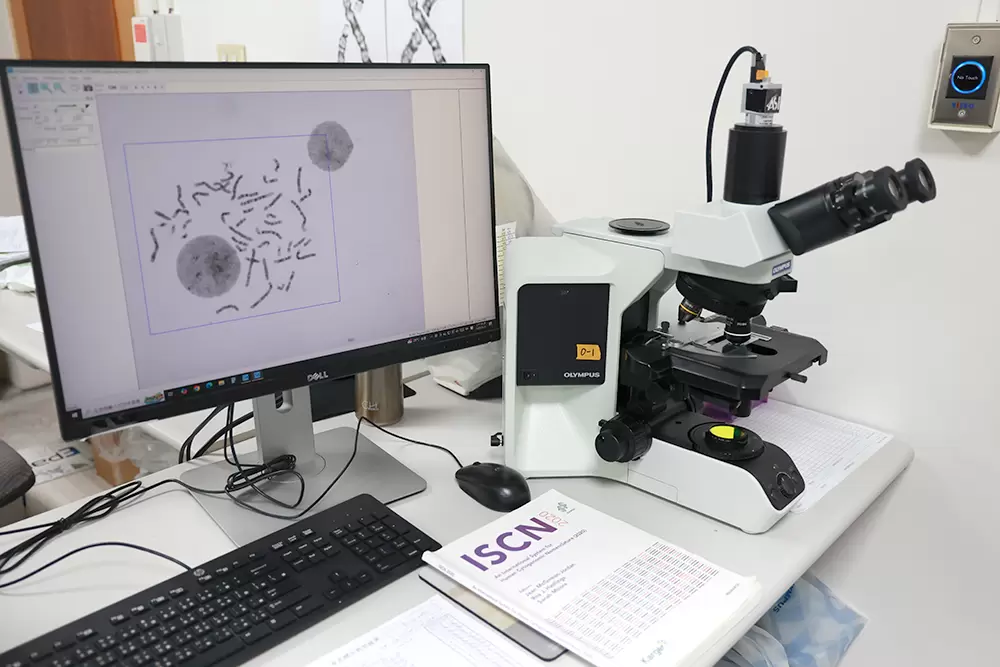
Chromosome Karyotype Analysis System
Used for chromosomal karyotyping, providing precise visualization of chromosomal structures and abnormalities.
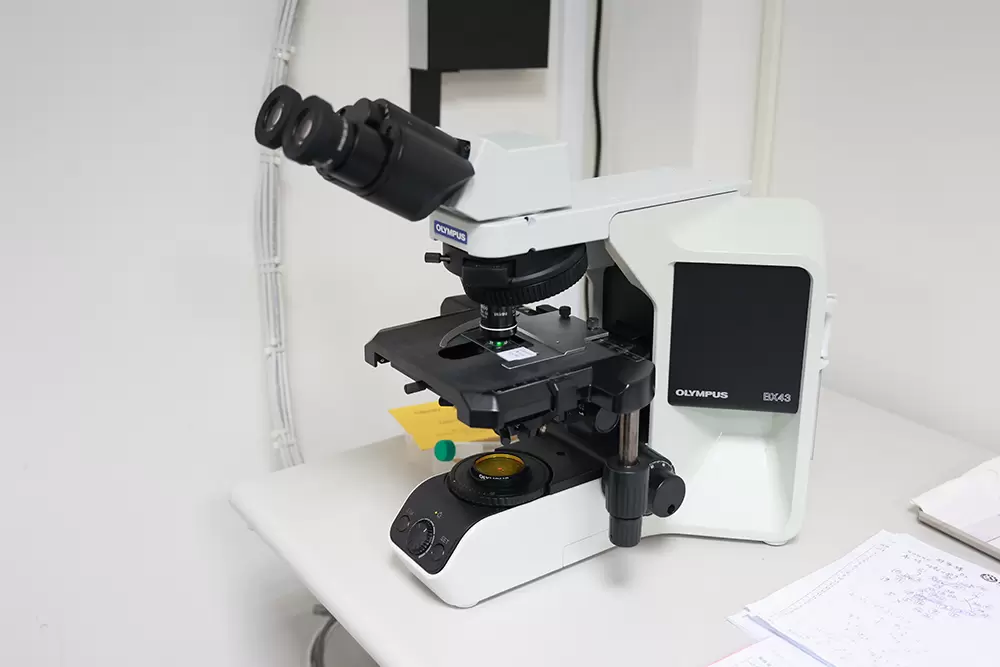
Inverted Phase Contrast Microscope System
Before chromosome analysis, cells are observed under an inverted phase contrast microscope to assess mitotic activity and ensure optimal cell conditions for testing.
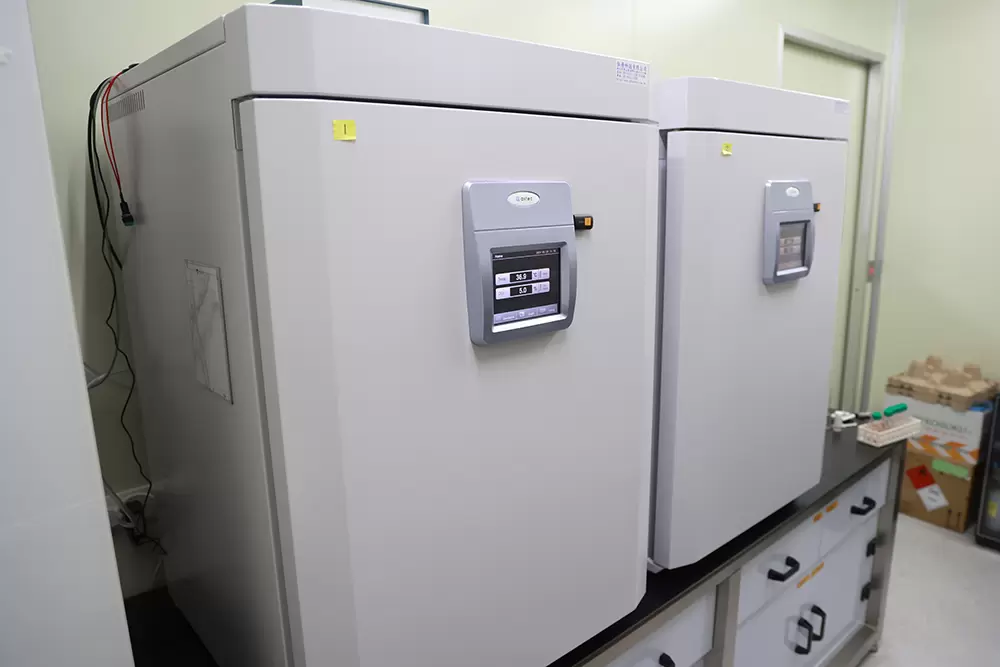
Incubator
Cells are cultured in a controlled incubator to promote growth and division, allowing clearer observation of chromosomal integrity during analysis.
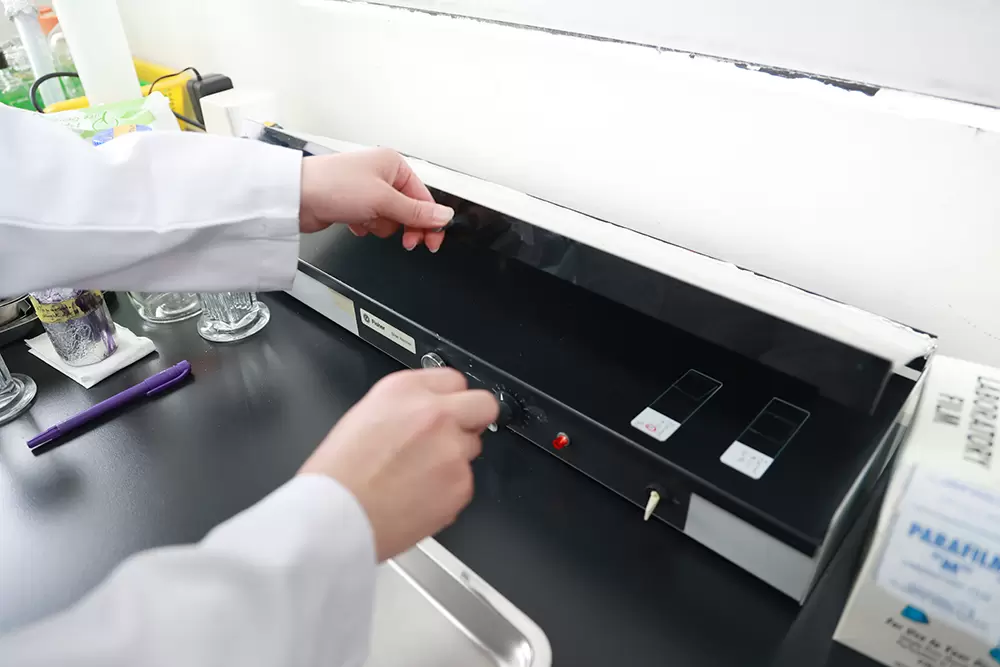
Slide Warmer / Slide Dryer
Used to dry and stabilize chromosome specimens during the staining process, improving image clarity and preventing detachment of samples during washing.
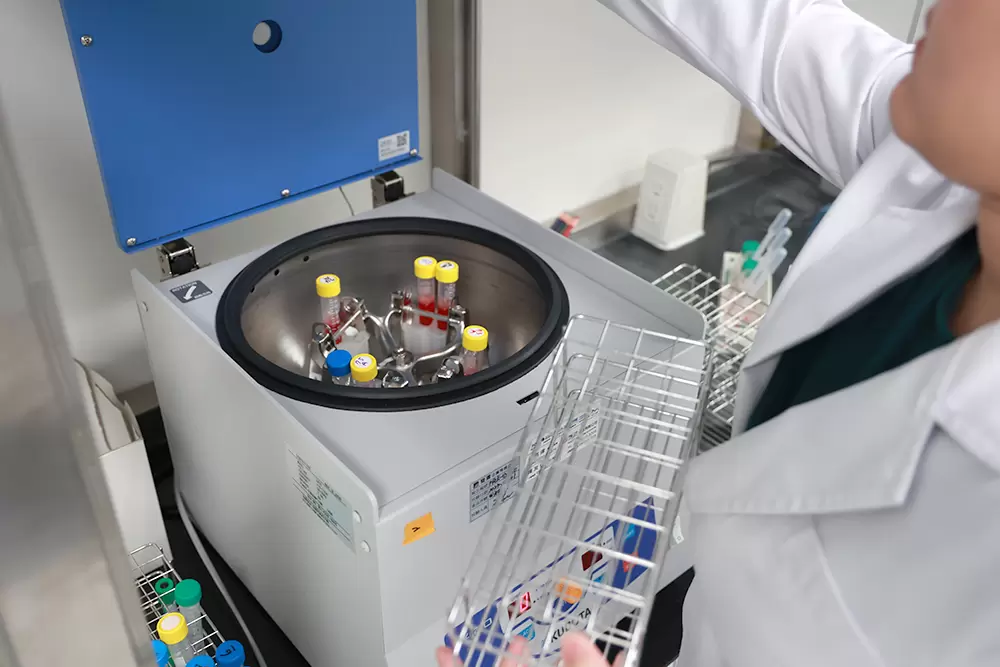
Laboratory Centrifuge
Applied in the cell separation process after culturing, the centrifuge isolates and concentrates cells for slide preparation and staining, ensuring clean and reliable cytogenetic specimens.