







About Egg Freezing
What Is Egg Freezing? Who Is It For?
Egg freezing, also known as oocyte cryopreservation or social egg freezing, is a medical procedure in which eggs are retrieved through egg retrieval surgery and then preserved by freezing them for future use.
The Principle of Egg Freezing
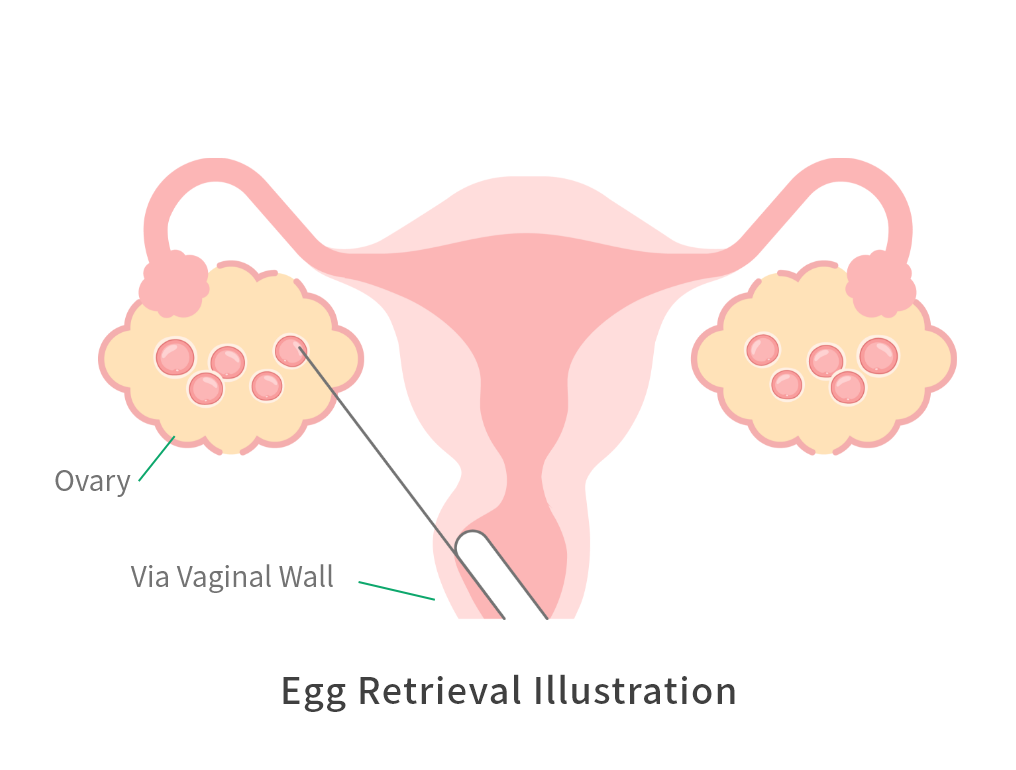
The process of egg freezing involves stimulating follicle growth using ovulation induction medications. Once the follicles are mature, an egg retrieval surgery is performed, and the retrieved eggs are then frozen at extremely low temperatures in liquid nitrogen tanks.
Lee Women's Hospital utilizes the vitrification technique for egg freezing, which is an excellent freezing method that helps maintain the quality of the eggs and reduces egg deterioration. This significantly improves the survival, fertilization, and pregnancy rates of eggs, with a success rate of over 90%.
Benefits of Egg Freezing
Preserving Egg Quality
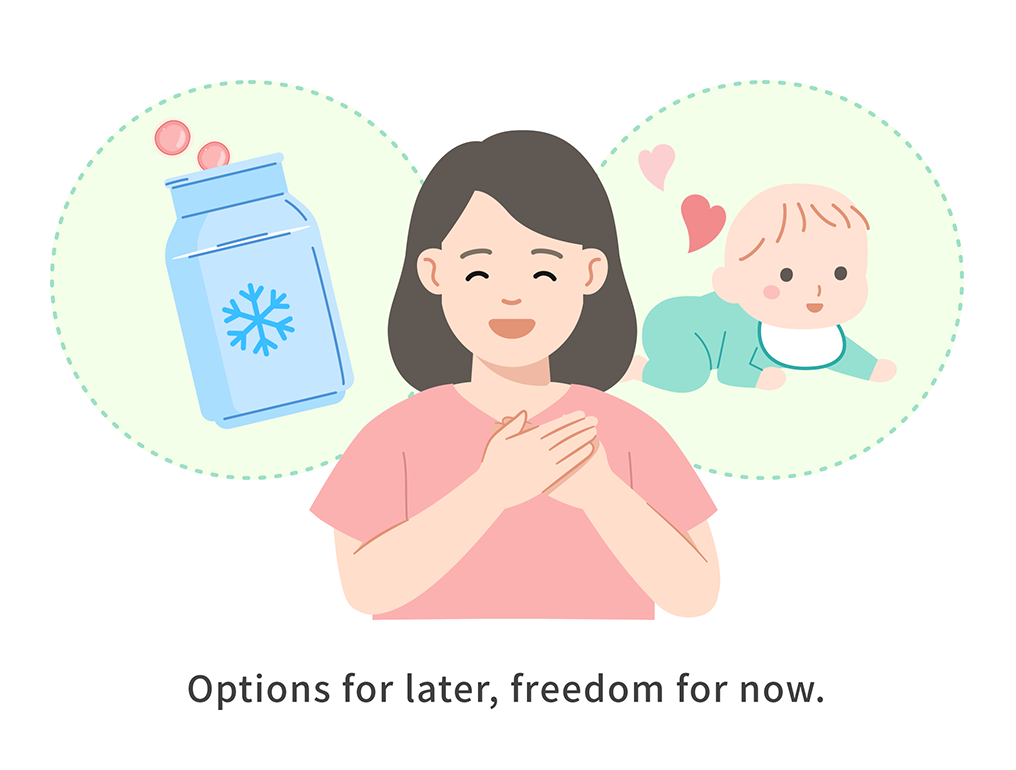
Egg freezing allows you to preserve your eggs in their current state. This means that when you decide to prepare for pregnancy after 5 years of egg freezing, you don't have to worry about having a low ovarian reserve because you have the option to use younger eggs compared to the average woman.
Reducing Future Risks
Freezing eggs before the age of 35 not only serves the purpose of preserving fertility but also reduces the likelihood of requiring repeated IVF cycles during subsequent attempts to conceive. With this, you no longer need to worry about missing the optimal time for conceiving.
Impact of Age on Egg Quality and Quantity
A woman's fertility is closely tied to her physiological age, as the number of eggs she possesses is determined at birth. Young, healthy women not only have an ample quantity of eggs but also exhibit good egg quality.
According to a research article published in the Reproductive Biomedicine Online, women are born with approximately one million follicles in their ovaries. However, after the age of 37, the number of follicles in the body starts to decline rapidly. As women age, their ovarian function gradually declines, and the quality and quantity of their eggs cannot be reversed.
What is AMH? Why is it a Key Indicator?
Female fertility is closely related to the ovarian function index. In fact, women can understand their “egg power” through simple medical examinations.
AMH, short for Anti-Müllerian Hormone, is secreted by follicles in ovaries and can indicate the ovarian follicle reserve. The level of AMH is an indicator for predicting fertility. Therefore, checking the AMH index is also crucial in the process of IVF and assisted reproductive techniques.
| Comparison of Average AMH Values by Age | |||||
|---|---|---|---|---|---|
| Age | 25 | 30 | 35 | 40 | >43 |
| Avg. AMH (ng/mL) | 5.4 | 3.5 | 2.3 | 1.3 | 0.7 |
If the AMH level is between 2~5 ng/ml and the FSH level is less than 10, it indicates normal ovarian function. By knowing the AMH level, we can roughly indicate the egg retrieval results, as shown below:
| Comparison Table of AMH Values, Ovarian Function, and Estimated Egg Retrieval Count | |||
|---|---|---|---|
| AMH Level (Unit: ng/mL) | AMH > 5 | 5 ≥ AMH ≥ 2 | AMH < 2 |
| Ovarian Function | Potential Polycystic Ovary Syndrome (PCOS) | Normal / Sufficient | Declined Ovarian Function |
| Estimated Number of Eggs Retrieved per Cycle | More than 16 eggs | 10 - 15 eggs | Less than 10 eggs |
Lee Women's Hospital (LWH) has nearly 40 years of clinical experience in egg freezing and infertility treatment, dating back to 1986. By utilizing advanced cryopreservation technologies, we achieve a post-thaw egg survival rate exceeding 90% and a pregnancy rate of approximately 63.9%. Beyond preserving future fertility potential, we empower women with greater confidence and autonomy to plan their lives on their own terms.
Currently, the longest egg freezing preservation case at LWH involves a patient who returned to the hospital to thaw her eggs after nearly 20 years of cryopreservation. The eggs were successfully fertilized and implanted, ultimately resulting in the birth of a healthy baby.
Egg freezing may be suitable for individuals who:

Young women who have not considered pregnancy yet after the age of 34

Before undergoing ovarian surgery, chemotherapy, or radiation therapy
Women without a uterus or with impaired uterine function
Considering surrogacy options

Women with a family history of ovarian diseases
etc. Premature ovarian failure, Autoimmune diseases, Endometriosis / Chocolate cysts, or Low AMH levels compared to peers

Women whose partners have azoospermia
Awaiting sperm retrieval from their partners or undergoing IVF with donor sperm
How Many Eggs Should Be Frozen?
Egg freezing should ideally be started at a young age as younger eggs have a higher success rate for future IVF attempts, maximizing the benefits of egg freezing. Dr. Chun-I Lee suggests that the most cost-effective age for egg freezing is 34.
As women exceed the age of 35, egg quantity and ovarian function decline significantly, while the proportion of abnormal embryo chromosomes increases. Therefore, preserving good quality eggs at a young age provides a better chance of generating higher-quality embryos when these precious eggs are needed in the future, resulting in a higher success rate for embryo implantation.
Recommended Number of Eggs by Age
 |  |  |  | |
Age | 25-30y | 31-35y | 36-39y | 40y + |
Egg count | 12-15 eggs | 15-20 eggs | 20-30 eggs | More than |
Explanation | Optimal egg quality. | Egg quality remains good. | Declining egg quality. | Significantly reduced egg quality. |

How Much Does Egg Freezing Cost?
The cost of an egg freezing treatment typically ranges from USD 4,500 to 5,300, depending on individual medication requirements.

What Is Included in the Cost?
- Registration fee
- AMH testing
- Hormone examinations
- Infectious disease screening
- Transvaginal ultrasound examinations
- Ovulation-inducing medications
- Egg freezing materials
- One-year frozen egg storage fee
How Is the Egg Freezing Procedure Performed?
The overall duration of freezing eggs takes approximately 2 to 3 weeks. Egg Freezing Process Overview:
Before Egg Retrieval: Preparation, Ovarian Stimulation and Tracking
Before undergoing egg freezing, two tests are conducted to confirm the normal functioning of the ovaries: Blood Tests (AMH, FSH) and Ultrasound Examination.
Menstrual Cycle Days 1-3
Start ovarian stimulation injections to induce follicle growth. Blood tests and transvaginal ultrasound examinations are conducted.
Menstrual Cycle Days 8-12
Returns to the hospital for follicle monitoring and confirmation of the egg retrieval time. During this period, medication for ovarian stimulation is continued, and blood tests and transvaginal ultrasound examinations are performed, with dosage adjustments as necessary.Once the follicles are mature, the physician schedules the administration of the trigger injection.
Menstrual Cycle Days 12-16
Within 36 hours after receiving the trigger injection, the patient must undergo transvaginal egg retrieval at the hospital.
After Egg Retrieval: Preservation and Recovery
Retrieval Procedure
The egg retrieval is usually scheduled for check-in between 5 am and 11 am. The duration of egg retrieval is approximately 20 minutes. After the recovery from anesthesia, patients can leave the operating room. Most individuals can leave the hospital around 12 pm. After retrieval, the eggs are preserved in a liquid nitrogen tank at -196°C at Lee Women's Hospital (LWH).
Recovery Period
Generally, within 1-2 weeks after the retrieval procedure, some women may experience mild cramping similar to period pain and a bloated feeling due to ovarian stimulation. These egg freezing side effects typically subside gradually within a week.

Postoperative Recovery and Meals
Lee Women’s Hospital provides a comprehensive postoperative recovery program to ensure the well-being and healing of women who have undergone egg freezing. LWH offers a comforting and nutritious 5-star meal, ensuring a balanced nutrition for women after the procedure.
- High-protein nutritional meal designed by dietitians
- Prepared with fresh ingredients
International Egg-Freezing Journey Timeline
- Menstrual Cycle Day 1~3
- Initial Consultation & Pre-treatment Physical examination
- Document Authentication
- Start Injection
- Note: Based on your condition, the physician may recommend nutritional support to improve egg quality prior to the cycle. This process may result in a postponement of your treatment start date.
- Menstrual Cycle Day 8~12
- Follicle Monitoring
- Schedule trigger injection
- Menstrual Cycle Day 12~16: Egg Retrieval

Four Key Advantages of Choosing Egg Freezing in Taiwan
Cost Advantage
At Lee Women’s Hospital in Taichung, the cost per egg freezing cycle is approximately USD 4,500–5,300, including ovarian stimulation medications, egg retrieval surgery, and freezing technology. The annual storage fee is approximately USD 190 (NTD 6,000).
Even when international travel expenses are considered, the overall cost remains competitive for overseas patients.
Advanced Medical Care
Beyond egg retrieval and freezing, long-term egg viability depends heavily on laboratory expertise.Lee Women’s Hospital, supported by experienced embryologists and utilizes vitrification, offers an advanced cryopreservation technique with a post-thaw survival rate exceeding 90%, enabling frozen eggs to achieve pregnancy outcomes comparable to fresh eggs.
Efficient Process with Minimal Stay Required
The entire egg freezing process typically takes approximately 14 days.
Depending on medical evaluation, long-acting ovarian stimulation medications may be used to reduce the number of injections and clinic visits, allowing international patients to complete treatment without an extended stay.
Flexible Long-Term Storage Options
Under Taiwan’s Assisted Reproduction Act, there is no statutory upper time limit specifically for the storage of frozen eggs. Continued egg preservation is permitted through periodic written renewal after 10 years, subject to regulatory requirements.
When you decide to use your frozen eggs in the future, we can also provide comprehensive, one-stop IVF services, offering greater flexibility for your family planning.
How long does the egg freezing process take?
Can I go to work normally?
The overall process of freezing eggs takes approximately 2 to 3 weeks. During the ovarian stimulation period, regular clinic visits are required for monitoring follicle development. For international patients, the itinerary can be arranged based on your location:
From nearby countries
You can arrange two short trips to Taiwan for follow-up and the egg retrieval surgery.
From Western countries
It's recommended to plan a 2 to 3-week stay to ensure the treatment is finished.
Regarding recovery, some women may experience mild bloating or discomfort after the egg retrieval. It is recommended to rest on the day of the surgery, and you can usually resume normal life the next day. Therefore, the egg freezing treatment does not cause a significant impact on daily life for office workers; it only requires proper time scheduling.
How to Choose an Egg Freezing Clinic?
The Advantages of Lee Women's Hospital
Egg freezing is a medical procedure that requires professional and precise techniques, making the choice of the right “egg freezing clinic” crucial. Only with the appropriate freezing technology and skilled professionals can the success rate of egg thawing and pregnancy be ensured. With nearly 40 years of clinical expertise, Lee Women's Hospital is confident in providing you with a comprehensive fertility plan.
Additionally, you can evaluate and select the most suitable egg freezing clinic based on the following criteria:

High-standard egg freezing program
Our team provides comprehensive care and support throughout the entire process, from the initial consultation to postoperative recovery. All necessary examinations can be completed within our hospital, providing a seamless and complete egg freezing experience.
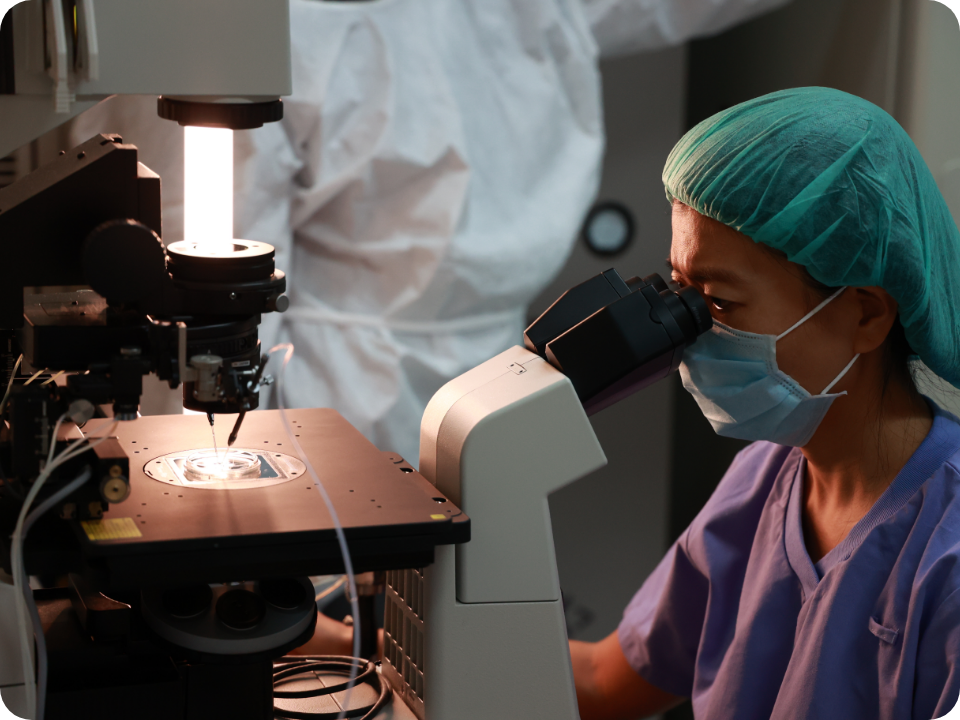
International-grade Freezing Technology
Lee Women’s Hospital introduces internationally renowned reproductive technologies. Our egg freezing program utilizes vitrification, a cutting-edge freezing technique that achieves a thawing and recovery rate of over 90% for eggs.
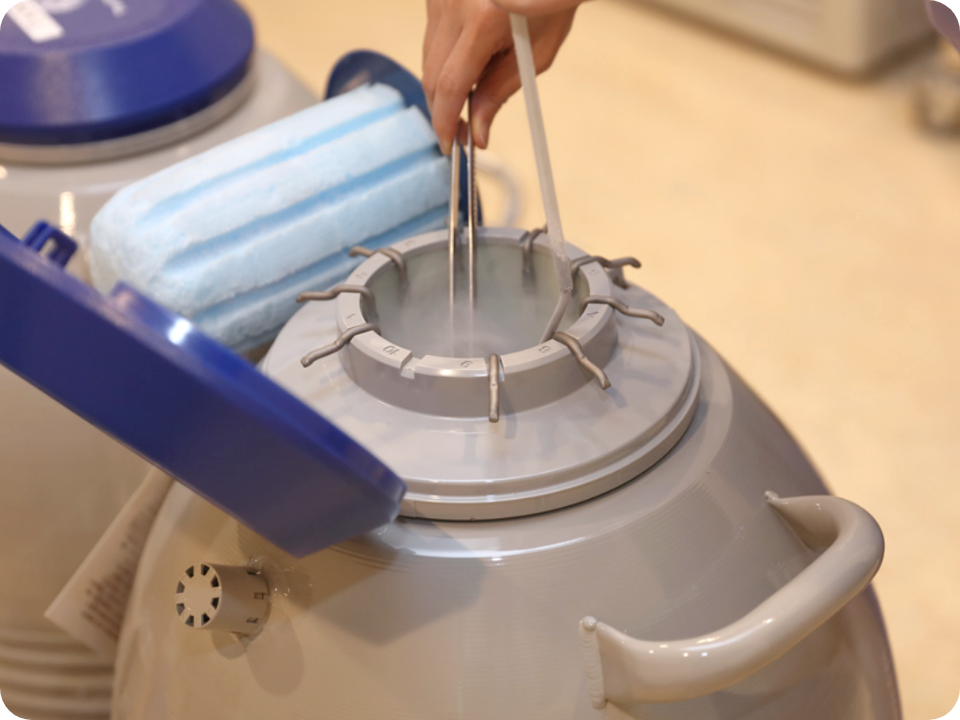
Personalized and precise treatment approach
In the egg freezing process, we conduct a comprehensive evaluation based on each woman’s ovarian condition. This allows us to offer flexibility in adjusting the timing of the treatment and help each woman achieve their best possible egg freezing outcomes.

Mature IVF technology
Lee Women’s Hospital has successfully completed over 4,800 IVF cycles per year. We have conducted in-depth research and developed AI-powered embryo selection technology to enhance IVF success rates.
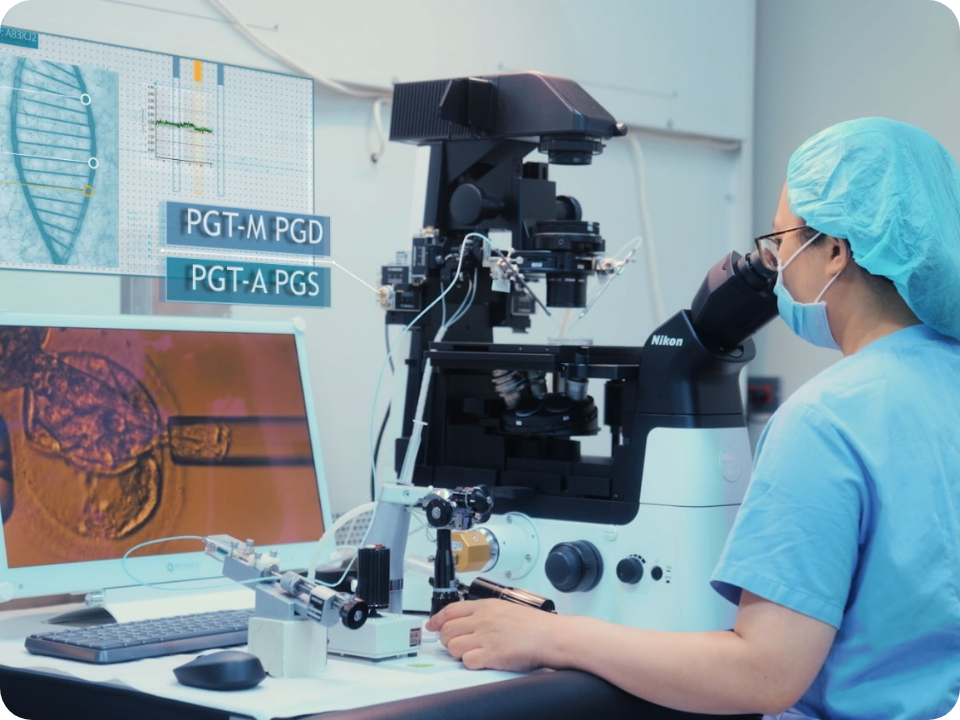
Caring and supportive services
At LWH, our consultants hold nursing licenses, and they provide not only consultation during the treatment journey but also education and instruction. We strive to provide compassionate and supportive care throughout the entire experience.

How to achieve pregnancy after egg freezing?
Thawing of cryopreserved eggs
Fertilization via ICSI
Embryo transfer
Women who have undergone egg freezing have the option to achieve pregnancy naturally or through IVF. When using the thawed eggs for in vitro fertilization, the medical team will retrieve the eggs from the storage. Through professional thawing techniques, the integrity of the eggs is maintained. The thawed eggs are fertilized with sperm to form embryos, which are then implanted in the uterus.
The entire process includes preoperative examinations, adjustment of the uterine lining, embryo implantation, and subsequent observation, taking approximately 3 to 4 weeks.

Internationally Accredited
IVF Laboratory

Procedures Conducted entirely
by Expert Embryologists

Premium One-Stop
Medical Services
Although utilizing state-of-the-art reproductive technology, including vitrification, can achieve a post-thaw survival rate of over 90%, a small number of eggs may still lose viability during the thawing process. Therefore, the most important factor is the technical expertise of the laboratory.
Lee Women’s Hospital consists of highly experienced embryologists and provides a seamless and high-standard service from egg freezing, thawing, fertilization to embryo implantation, ensuring safety at every step to help women achieve their dreams.
What if I regret freezing my eggs?
If a woman decides not to use the frozen eggs for pregnancy, there are several options available:

Continue storage
Option to continue paying storage fees to retain the potential for future use.

Disposal of Eggs
If you do not wish to continue storage or donate, you may request the medical facility to dispose of the eggs in accordance with regulations.

Cannot be used for egg donation
Under the Artificial Reproduction Act, eggs frozen without a prior full donation assessment cannot be used for others' infertility treatments.
All of the above options require the individual's written consent. It is recommended to make the most suitable decision after full consultation.

We bridge the distance with online consultations and personalized accompaniment services.
Whether you are ready to book a treatment or simply need more information about costs, or travel timing, please contact our International Affairs Department. We are ready to provide a personalized treatment plan tailored to your needs.
Contact UsLee Women's Hospital
Banqiao Branch

FAQ


Who needs to freeze eggs?

- Young women who have not considered pregnancy yet after the age of 34
- Before undergoing ovarian surgery, chemotherapy, or radiation therapy
- Women without a uterus or with impaired uterine function, waiting for the legal period of surrogate motherhood
- Women with a family history of premature ovarian failure or autoimmune diseases
- In cases where the husband cannot successfully obtain sperm on the day of egg retrieval or the husband has azoospermia, eggs can be temporarily frozen for later fertilization and embryo culture
What tests need to be done before egg freezing?
Two tests need to be done before egg freezing to confirm normal ovarian function:
- Blood Tests:
- Anti-Müllerian Hormone (AMH) level, which indicates ovarian reserve.
- Follicle-Stimulating Hormone (FSH) level.
- Ultrasound Examination: Evaluation of the number of ovarian follicles.
If the AMH level is greater than 2 and the FSH level is less than 10, it indicates normal ovarian function.
How much does egg freezing cost?
The approximate cost for ovulation induction, egg retrieval, and cryopreservation is around USD 4,500 t0 5,300. Additionally, there is an annual fee for the storage of frozen eggs.
What should be considered before egg freezing?
Before egg freezing, it is important to carefully select an experienced and professional fertility facility. While some people may prioritize cost, it is crucial to consider not only the stage of retrieving and freezing eggs but also the viability of thawing the eggs in future. It would be regrettable to invest in egg freezing only to find out later that the thawed eggs cannot be used during IVF treatment. Therefore, the most important factor is the technical expertise of the laboratory.
Do I need to receive injections every day?
The egg freezing treatment typically takes 2-3 weeks, during which you may need to visit the clinic 3-5 times. Lee Women's Hospital offers a more patient-friendly approach where, under the evaluation of the physician, long-acting ovulation induction medications can be used to significantly reduce the number of injections and clinic visits. In some cases, the entire treatment may require only two doses of ovulation induction medication. If you have such a need, please discuss your medication plan with the attending physician.
Are there any side effects or long-term consequences of egg freezing? Does it accelerate menopause?
The egg freezing treatment typically takes 2-3 weeks, during which you may need to visit the clinic 3-5 times. Lee Women's Hospital offers a more patient-friendly approach where, under the evaluation of the physician, long-acting ovulation induction medications can be used to significantly reduce the number of injections and clinic visits. In some cases, the entire treatment may require only two doses of ovulation induction medication. If you have such a need, please discuss your medication plan with the attending physician.
What is Ovarian Hyperstimulation Syndrome (OHSS)?
OHSS occurs more frequently in young, underweight women, those with polycystic ovary syndrome (PCOS), or those with more than 15 follicles in a single ovary. The incidence rate is approximately 0.5-2%. Some individuals may experience symptoms such as bloating, nausea, vomiting, dizziness, palpitations, decreased urine output, and weight gain. Mild cases can resolve on their own within a few days or be managed through outpatient care, while only a small number of severe cases require hospitalization for treatment.
| Severity | Symptoms | Treatment |
|---|---|---|
| Mild | Bloating Mild abdominal pain | Self-observation Outpatient monitoring |
| Moderate | Abdominal pain Nausea Mild ascites | Outpatient monitoring |
| Severe | Intense abdominal pain Vomiting Ascites Difficulty breathing Hematocrit (Hct) > 45% Low blood sodium High blood potassium Decreased urine | Hospital stay |
How many eggs should be frozen for egg freezing?
Egg freezing should ideally be started at a young age as younger eggs have a higher success rate for future IVF attempts, maximizing the benefits of egg freezing. Dr. Chun-I Lee suggests that the most cost-effective age for egg freezing is 34. As women exceed the age of 35, egg quantity and ovarian function decline significantly, while the proportion of abnormal embryo chromosomes increases. Therefore, preserving good quality eggs at a young age provides a better chance of generating higher-quality embryos when these precious eggs are needed in the future, resulting in a higher success rate for embryo implantation.
| Age | <35 | 35-38 | 39-40 | >40 |
| Egg count | 10 | 15 | 20 | >20 |
How is the egg retrieval procedure performed? Is it painful?
The egg retrieval procedure is scheduled for check-in between 5 am and 8 am. Fasting for 8 hours prior to the procedure is required (including water). After receiving sedation anesthesia through intravenous administration, the follicles and follicular fluid are extracted using an egg retrieval needle guided by transvaginal ultrasound imaging. The number of eggs retrieved may vary depending on individual conditions and medication response.
The duration of the egg retrieval procedure is approximately 20 to 40 minutes. After the recovery from anesthesia, patients can leave the operating room. Most individuals can leave the hospital around 10 am, but it may vary depending on personal physical condition. The egg retrieval procedure is performed vaginally, and it only leaves a small puncture wound, which does not require stitches.
Since the procedure is performed under anesthesia, it feels like having a nap. In general, there is no sensation during the procedure. Some individuals may experience mild discomfort similar to menstrual cramps.
How should I take care of my body after the egg retrieval procedure?
In the 1-2 weeks following the egg retrieval, you may experience discomfort due to medication stimulation, such as bloating, nausea, dizziness, palpitations, decreased urine output, and weight gain. However, these symptoms typically subside within a week, and your menstrual period will return around 8-10 days after the retrieval, resuming its regular pattern.
- Engage in moderate exercise
- Supplement nutrients appropriately
- Maintain a positive mood
- Avoid overeating or imbalanced nutrition
How are the retrieved eggs stored? Does it affect egg quality?
Currently, Lee Women's Hospital utilizes the latest rapid freezing technique (vitrification) for egg freezing. As a result, the post-thaw survival rate of eggs is approximately 90%, and the pregnancy success rate for thawed eggs is nearly equivalent to that of fresh eggs of the same age. The highest pregnancy age achieved with thawed eggs is 45 years, demonstrating that the quality of frozen eggs can be maintained for many years.
How long can frozen eggs be stored?
According to Taiwan's "Assisted Reproduction Act," there is no specified time limit for egg freezing. Theoretically, eggs can be stored indefinitely.
Although freezing eggs can extend the reproductive age, it cannot change a woman's physiological age. The younger the age at which the eggs are frozen, the higher the chances of successful live birth after thawing. However, if eggs are thawed and fertilized at an advanced age, the likelihood of age-related high-risk pregnancy complications such as preeclampsia, hypertension, diabetes, etc., still increases based on the age at implantation. Therefore, while there is currently no time limit for egg freezing, it is still recommended that women considering egg freezing do so before the age of 35 and complete childbearing before the age of 45.