

Male Infertility: Causes, Tests, Evaluation Process, and Treatment Options
What is Male Infertility?
For a long time, infertility has often been assumed to be a women’s issue. In reality, men can also be a key factor in infertility. Clinical data suggest that male factors contribute to approximately 30% of infertility cases, with a combination of genetic and acquired causes. Among these, around one-third are due to genetic causes such as azoospermia, while the remaining two-thirds are linked to issues like poor sperm quality, low sperm count, or reduced sperm motility.
Causes of Male Infertility
Unhealthy lifestyle
Medical conditions
Environmental factors
Genetics
Male infertility can be caused by a wide range of factors, including unhealthy lifestyle, medical conditions, environmental exposure, and genetics. Common examples include long-term exposure to heat, such as frequent hot spring use, prolonged sitting, or wearing tight clothing, which can raise testicular temperature and impair sperm production. Varicocele, a condition involving enlarged veins in the scrotum, can also increase local temperature and lead to reduced sperm count and motility.
Certain chronic illnesses or the unsupervised use of medications may interfere with the endocrine system and testicular function, negatively affecting fertility. Smoking and excessive alcohol consumption can also harm male fertility. These habits may damage sperm DNA, reduce the chances of conception, and potentially affect the healthy development of future embryos.
At Lee Women’s Hospital, male infertility evaluation typically begins with a semen analysis to assess sperm concentration, total count, motility, and morphology. This test plays a central role in identifying potential causes of male infertility.
If abnormalities are found, further tests, such as hormone evaluations, chromosomal analysis, or targeted treatments, may be recommended based on the results.
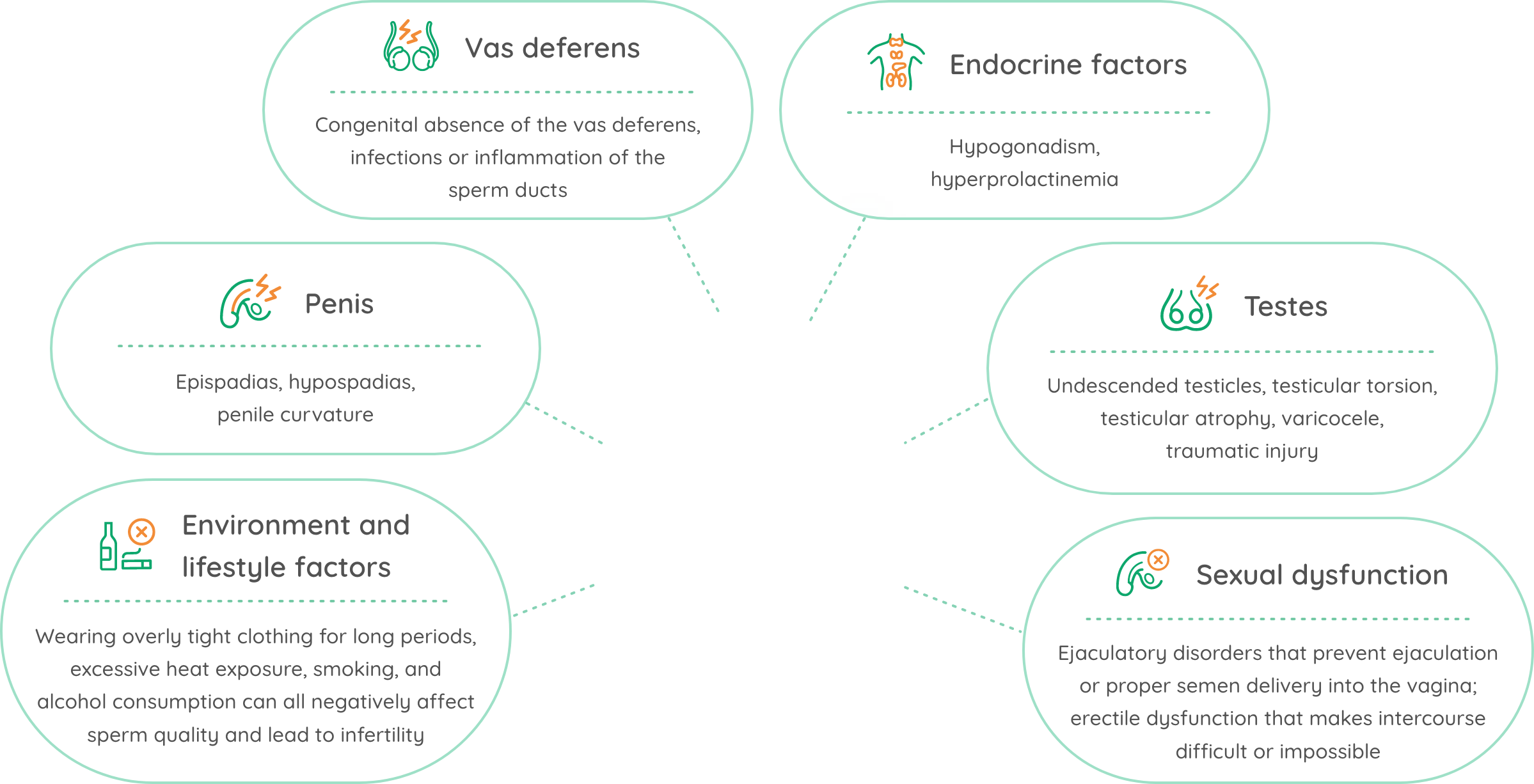
Six Key Factors That Can Lead to Male Infertility
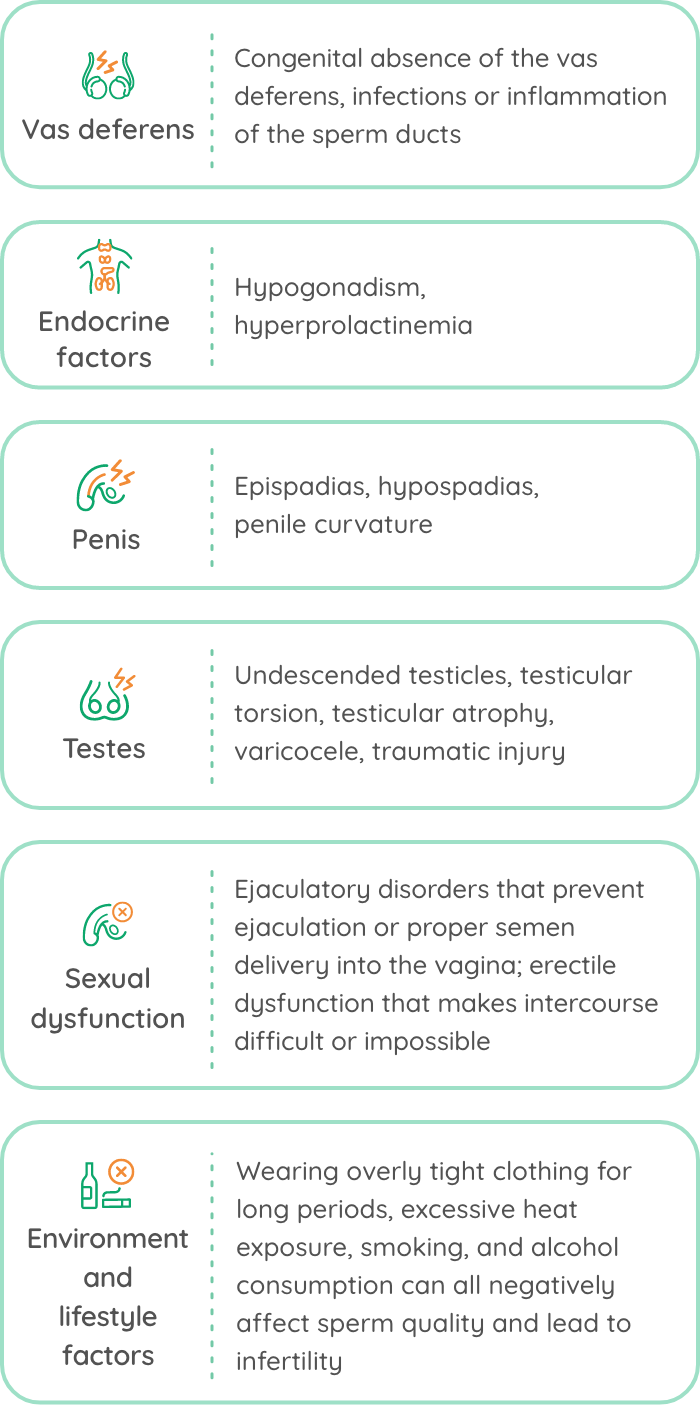
Medical research shows that male infertility is not only caused by congenital or genetic factors, but is also closely linked to lifestyle and environmental influences. Below are six common factors, ranging from anatomical and hormonal issues to everyday habits that may affect male fertility.
- Testes:Undescended testicles, testicular torsion, testicular atrophy, varicocele, traumatic injury
- Penis:Epispadias, hypospadias, penile curvature
- Vas deferens:Congenital absence of the vas deferens, infections or inflammation of the sperm ducts
- Endocrine factors:Hypogonadism, hyperprolactinemia
- Sexual dysfunction:Ejaculatory disorders that prevent ejaculation or proper semen delivery into the vagina; erectile dysfunction that makes intercourse difficult or impossible
- Environment and lifestyle factors:Wearing overly tight clothing for long periods, excessive heat exposure, smoking, and alcohol consumption can all negatively affect sperm quality and lead to infertility


Male Infertility Testing
Male Infertility Evaluation Process at Lee Women’s Hospital
Medical history review
The doctor will conduct a detailed review of the patient’s family history of genetic conditions, reproductive health history, sexual activity, medication use, lifestyle habits (such as smoking and alcohol consumption), and work environment.
Basic semen analysis
Through semen analysis, key indicators such as sperm count, concentration, morphology, and motility are evaluated to determine whether male infertility may be present.
Advanced semen testing
If semen analysis results are abnormal, or if there have been multiple unsuccessful attempts to conceive, doctors may recommend advanced semen tests, including:
- Hyaluronan Binding Assay (HBA)
- Sperm DNA fragmentation analysis
Semen Analysis
| Item Tested | Reference Value |
|---|---|
| Semen volume | 1.5 ml |
| Total sperm count | 39 million |
| Sperm concentration | 15 million per ml |
| Sperm motility | 40% motile |
| Progressive motility | 30% progressive |
| Sperm vitality | 58% viable |
| Normal morphology | 4% normal forms |
Sperm Binding Ability Test (Hyaluronan-Binding Assay, HBA)
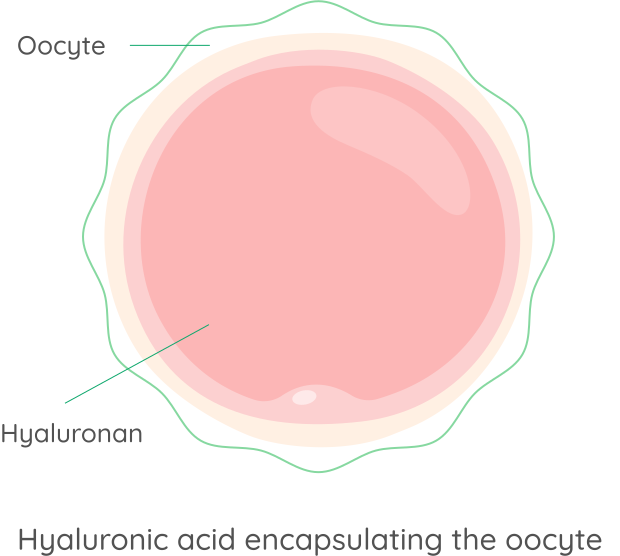
In male infertility evaluation, the HBA test is used to help predict sperm performance and the likelihood of successful fertilization.
During fertilization, sperm bind to hyaluronan in the matrix surrounding the egg (the cumulus cells). At this stage, enzymes are released from the acrosome at the sperm head, allowing the sperm to penetrate the outer layer of the egg and enter the egg itself.
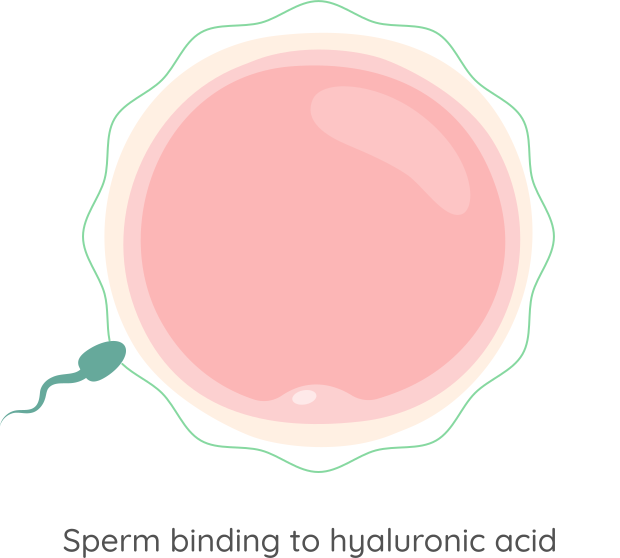
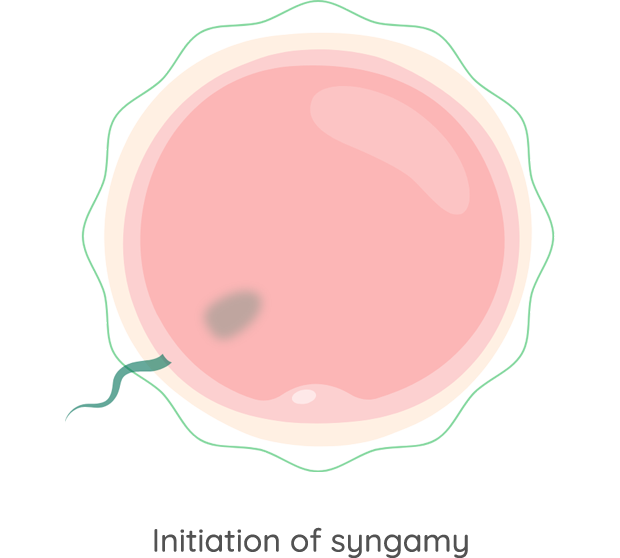
Abstinence is required for 3 days before the test. In the 2–5 days prior to testing, it is recommended to maintain a regular routine, avoid smoking and alcohol, limit excessive caffeine intake, and avoid using hormonal medications.

Sperm DNA Fragmentation Analysis
Sperm DNA fragmentation can affect miscarriage risk. If all standard tests are normal but infertility or recurrent miscarriage still occurs, sperm DNA fragmentation analysis may be considered. This molecular-based test helps identify underlying causes of male infertility, including Y-chromosome microdeletions associated with severe oligospermia or azoospermia, as well as sperm DNA fragmentation itself.
Treatment Options for Male Infertility
Intrauterine Insemination (IUI)
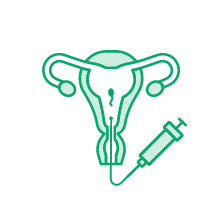
Intrauterine insemination (IUI) is suitable for cases such as mildly reduced sperm motility, low sperm count, or unexplained infertility. During the procedure, the semen is washed and processed to select the most motile sperm, which are then placed directly into the uterus around the time of ovulation to increase the chances of conception.
Intracytoplasmic Sperm Injection (ICSI)

ICSI is a micromanipulation technique used during IVF fertilization, in which an experienced embryologist selects a single sperm with good motility and morphology and injects it directly into the egg to facilitate fertilization. This technique is suitable for cases of severe low sperm count, poor sperm motility, or multiple failed IUI attempts.
Piezo-assisted ICSI (Piezo-ICSI) is an advanced version of conventional ICSI, designed to improve fertilization and embryo development rates while minimizing damage to the egg.
Microsurgical Testicular / Epididymal Sperm Retrieval (Micro-TESE / MESA)

For men with obstructive azoospermia—such as vas deferens blockage or congenital absence—viable sperm can be retrieved through microsurgical procedures from the testis (TESA) or epididymis (MESA), and then used in IVF in combination with ICSI.
Donor Sperm (IVF with donor sperm)
For men with non-obstructive azoospermia, cases in which sperm cannot be retrieved despite surgical intervention, or situations involving genetic conditions that should not be passed on to the next generation, donor sperm may be considered as one of the available options. Lee Women’s Hospital offers a legal and secure sperm donation process to support couples undergoing IVF treatment, in accordance with applicable laws and regulations.
Non-obstructive Azoospermia

Some patients may be able to produce sperm through medication-based stimulation, while a smaller number may have sperm successfully retrieved from the testicles through microsurgical procedures.
What Should Men Eat to Support Sperm Health? Boosting Fertility Through Daily Habits
To improve male fertility, medical evaluation and treatment are important—but daily lifestyle and dietary choices also play a crucial role. Healthy habits can support sperm production and improve sperm quality, helping to build a strong foundation for conception.
Three Daily Habits to Improve Sperm Quality
Maintain a regular routine and exercise moderately
Getting enough sleep and avoiding late nights help maintain balanced hormone levels, which support sperm production and stable testicular function.

Eat a balanced diet
Include more protein-rich fish and antioxidant-rich fruits and vegetables (such as a Mediterranean-style diet), and reduce sugar intake.

Supplement key nutrients for sperm health
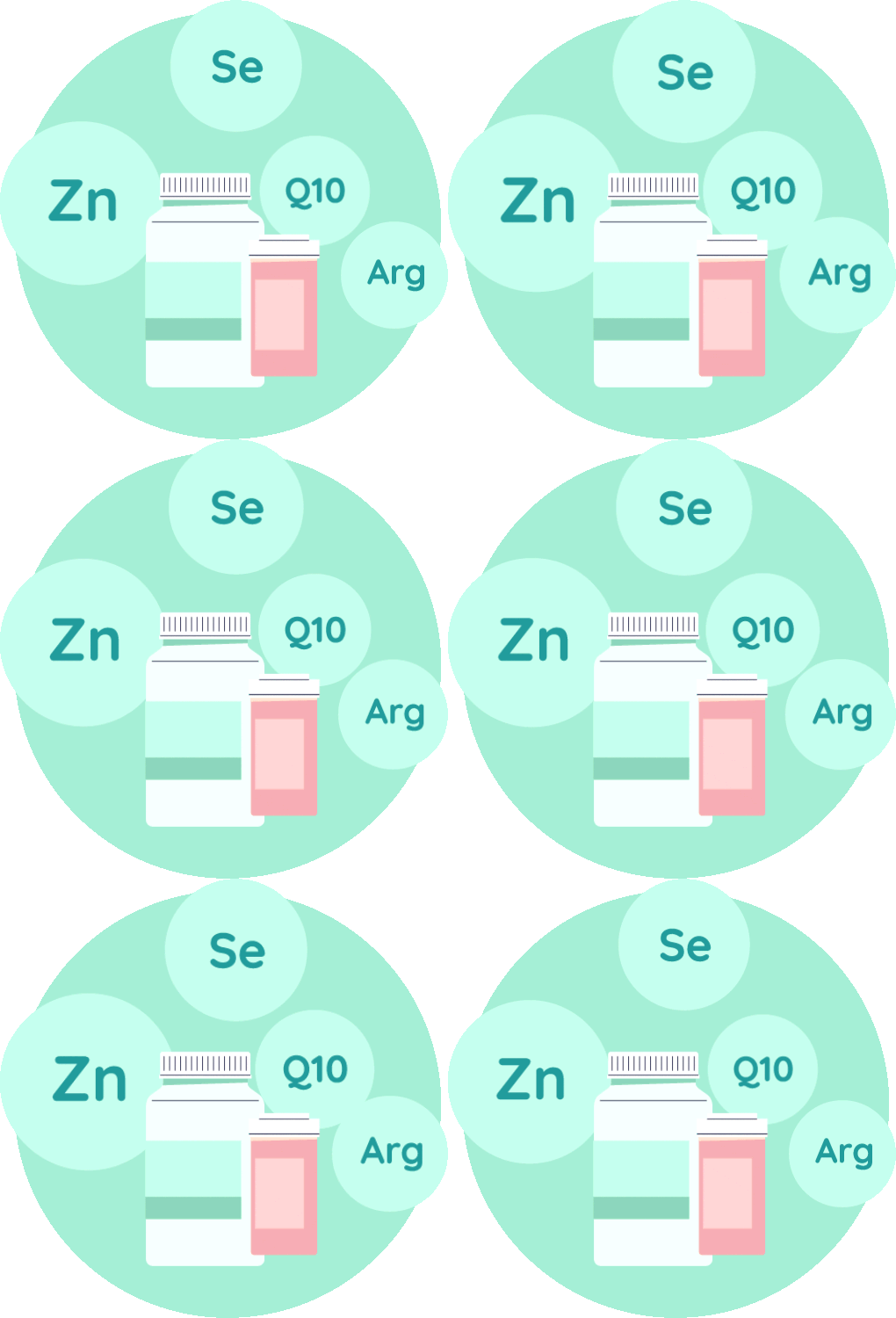
Zinc, selenium, CoQ10, arginine, glutathione, folic acid, vitamin E, and L-carnitine can help improve sperm motility and overall quality.
Three Things to Avoid for Better Sperm Quality
To protect male reproductive health, the following should be carefully avoided:

Avoid environmental hormones
Products such as air fresheners, paint, and pesticides may disrupt the endocrine system.

Avoid excessive heat exposure
Limit time spent in hot springs or saunas. Wearing breathable underwear can help prevent heat buildup and excessive pressure.

Be cautious with medications and alternative therapies
If you are considering traditional Chinese medicine or other therapies, consult a qualified physician. Do not self-medicate or stop prescribed medications without medical advice.
Smoking and alcohol consumption can negatively affect sperm motility and quality.
Mental well-being and mutual understanding between partners are equally important.
Stress is a key factor that affects male fertility. Long-term stress can suppress male hormone production and reduce sperm quality.

Maintain a relaxed mindset
Manage stress and find healthy ways to unwind.

Seek professional support
Infertility is not the end. Seeking professional help is the first step toward improvement.

Communication and support
The fertility journey should be faced together as a couple, with open communication and mutual support playing a key role.

Real-life Stories
Lee Women’s Hospital has extensive experience in reproductive medicine.
Through the stories of three women who underwent egg freezing here, we share how advanced medical expertise helped them preserve their dreams for the future.





We bridge the distance with online consultations and personalized accompaniment services.
Whether you are ready to book a treatment or simply need more information about costs, or travel timing, please contact our International Affairs Department. We are ready to provide a personalized treatment plan tailored to your needs.
Contact Us