

About IVF
What’s IVF?
In vitro fertilization (IVF), also known as "test tube baby," is a type of assisted reproductive technology where eggs and sperm are taken out and fertilized. The resulting embryos are then transferred into the uterus.
Principles of In Vitro Fertilization (IVF)
The IVF process is closely synchronized with a woman’s menstrual cycle and can generally be divided into 3 key stages:
Principles of In Vitro Fertilization (IVF)
Egg and Sperm Collection
Fertilization, Embryo Culturing and Screening
Uterine Preparation, Embryo Transfer and Pregnancy
Stage 1
The doctor will use ovulation-stimulating injections and medications to encourage the ovaries to release eggs, which are then retrieved through a minor surgical procedure. The man can typically collect semen samples by himself, unless he has conditions such as azoospermia that require surgical sperm retrieval.
Stage 2
The collected eggs and sperm are then fertilized in an IVF lab by an embryologist. The resulting embryos are cultured in the laboratory for 3-5 days, depending on the number and development of fertilized eggs or embryos. If preimplantation genetic testing (PGT) is needed, the embryos will undergo a biopsy and be frozen until the results are available. The doctor will then select the most suitable embryos for your implantation.
Stage 3
Before embryo transfer, the woman will take medication to simulate the natural hormonal environment of early pregnancy and to thicken the lining of the uterus. During the embryo transfer procedure, the doctor will guide the embryos into the uterine cavity using a transvaginal ultrasound.

Who needs IVF?
IVF treats infertility, defined as couples under 35y and failure to conceive after one year (six months for women over 35). Recommended populations based on clinical experience include:
- Women over 35 years old or with low ovarian reserve
- Women with bilateral tubal blockage or adhesion, or with moderate to severe endometriosis
- Men with poor sperm quality or an insufficient sperm count
- Individuals with a family history of chromosomal genetic diseases
- Individuals with a history of recurring miscarriage
- Those who have undergone intrauterine insemination (IUI) without success
- Unexplained infertility
IVF vs. Natural Conception: A Comparison of Success Rates
According to the American College of Obstetricians and Gynecologists (ACOG), IVF treatment significantly improves pregnancy outcomes, with success rates approximately double those of natural conception for women of the same age.
Noting that the infertility rate in Taiwan has risen from 10% to 15% in recent years, Dr. Maw-Sheng Lee advises women planning to conceive to freeze their eggs before age 34. This proactive step not only significantly increases future IVF success rates but also reduces the physical and emotional burden of treatment.
Does Lee Women's Hospital Exceed Global IVF Success Rates?
According to The Assisted Reproductive Technology Summary 2022 National Report of Taiwan published by the Health Promotion Administration, the average pregnancy rate per treatment cycle across reproductive institutions in Taiwan reached 43.5% in 2022, second only to the United States' 45%.
Based on a comparison between The Assisted Reproductive Technology Summary 2022 National Report of Taiwan provided by the Health Promotion Administration and Lee Women's Hospital's internal statistics, the IVF success rates for single embryo transfer across different age groups in 2022 are as follows:
Lee Women's Hospital Clinical Outcomes: 2022 IVF Pregnancy Rates by Age (vs. National Average)
| IVF Age Group | Under 35 | Ages 35 – 37 | Ages 38 – 40 | Over 40 |
|---|---|---|---|---|
| National Average | 52.5% | 49% | 43.8% | 31.6% |
| LWH (With PGT-A) | 77.2% | 68.9% | 76.3% | 69.1% |
| LWH (Without PGT-A) | 70.4% | 68.9% | 67.6% | 63.15% |
Data reflects pregnancy rates per single frozen embryo transfer.

Notably, Lee Women's Hospital's 2022 clinical statistics reveal that for patients aged 38–40, the pregnancy rate climbs to 76.3% when utilizing PGT-A (Preimplantation Genetic Testing for Aneuploidy) technology. This figure far exceeds the national averages of both the United States and Taiwan, demonstrating that integrating advanced technologies can significantly enhance IVF success rates for women of advanced maternal age.

IVF Fee
Taiwan offers world-class IVF technology at 30-50% of the cost found in the US, Europe, and neighboring Asian nations.
IVF Fee
Lee Women’s Hospital focuses on advanced reproductive solutions, offering second-generation IVF and above. We encourage you to consult with our doctors for a personalized assessment and accurate price quotation.


Basic IVF
USD 7,800 – 8,500
4th Generation IVF (with AI Selection / PGT-A)
USD 11,500 – 13,500
Disclaimer : Actual costs and success rates depend on individual medical conditions and medication usage. Prices are for reference only.
Selecting the Right IVF Generation
IVF technologies have evolved into four generations, each with different success rates. However, we should not simply assume the latest generation is superior for everyone. To achieve the highest possible success rate, it is crucial to understand the differences between these techniques and choose the treatment plan that is tailored to your individual condition.
1st Gen (IVF-ET)
Natural Fertilization

The earliest form of IVF technology. Sperm and eggs are placed together in a petri dish, allowing them to bind and fertilize naturally to form an embryo.
Target Audience
- Female Infertility: Fallopian tube obstruction, endometriosis, or endocrine disorders.
- Male Partner: Must have good sperm quality with no sperm-egg binding issues.
Approx. 20%~30%
2nd Gen (ICSI)
Intracytoplasmic Sperm Injection (ICSI)

A single, carefully selected sperm is injected directly into the egg's cytoplasm using a microscopic needle. This technique overcomes issues of low sperm motility or low sperm count, significantly increasing the fertilization rate.
Target Audience
- Male Infertility: Oligospermia (low count), Azoospermia (no sperm in ejaculate but present in testes), or low motility.
- Abnormal HBA: Issues with sperm binding capability.
- Poor egg retrieval quantity in females.
Approx. 50%~60%
3rd Gen (PGT-A)
Chromosomal Screening (PGT-A)

Incorporates embryo biopsy and PGT-A (Preimplantation Genetic Testing for Aneuploidy). Embryos are screened for chromosomal abnormalities prior to transfer, reducing the risk of miscarriage and genetic disorders while improving overall pregnancy rates.
Target Audience
- Male/Female Infertility
- Advanced Maternal Age: Women over 34.
- Recurrent Miscarriage or Repeated Implantation Failure (RIF).
- Previous IVF Failures.
- Genetic Risks: Prevention of chromosomal abnormalities or family history of translocation.
Approx. 60%~70%
3.5 Gen (Time-lapse)
Time-lapse Imaging Monitoring

Utilizes a high-end Time-lapse Incubator to monitor embryo development continuously for 120 hours. A built-in microscope captures an image every 10 minutes, compiling thousands of images to record the cell division process. This allows for continuous monitoring without removing embryos from the incubator, minimizing human interference and improving the accuracy of implantation potential assessment.
Target Audience
- Male/Female Infertility
- Advanced Maternal Age: Women over 34.
- Recurrent Miscarriage or Repeated Implantation Failure (RIF).
- Previous IVF Failures.
- Genetic Risks: Prevention of chromosomal abnormalities or family history of translocation.
Approx. 60%~70%
4th Gen (AI Selection)
PGT-A + Time-lapse + AI Selection
Combines PGT-A genetic screening, Time-lapse monitoring, and AI algorithms. This integration of core technologies allows for scientifically backed embryo selection, making the IVF treatment more personalized and precise.
Target Audience
- Advanced Maternal Age: Women over 34 planning to conceive.
- Recurrent Miscarriage or Repeated Implantation Failure (RIF).
- Previous IVF Failures.
- Concerns regarding embryo chromosomal abnormalities.
Approx. 70%~80%
IVF Procedure
In Vitro Fertilization (IVF) treatment typically takes 1-2 months and can be divided into the following steps: pre-treatment checkup for both partners, monitoring of follicles and administering ovulation stimulation drugs, egg retrieval and semen collection, in vitro fertilization, embryo culture, embryo transfer, and pregnancy test.
For a typical IVF cycle, patients need to visit Taiwan at least twice, and the total stay is about 2-3 weeks. However, for the fourth-generation IVF cycle, patients need to visit Taiwan three times, and the total stay is between 20 and 27 days.
International IVF Journey Timeline
- Pre-treatment:Initial Consultation & Pre-treatment Physical examination
- Menstrual Cycle 1 - Day 1:Inform Us
- Menstrual Cycle 1 - Day 3:Start Injection
- Menstrual Cycle 1 - Day 8~10:Follicle Monitoring
- Menstrual Cycle 1 - Day 12~16:Egg Retrieval
- Menstrual Cycle 2 - Day 1~28:Rest 1 Menstrual cycle(Wait For Embryo Culture)
- Menstrual Cycle 3 - Day 1:Inform Us
- Menstrual Cycle 3 - Day 3:Take Medicine
- Menstrual Cycle 3 - Day 11~13:Endometrial Lining Check-up
- Menstrual Cycle 3 - Day 18~21:Embryo Transfer
- Menstrual Cycle 3 - Day 34 (Approx.):Pregnancy Test

- Pre-treatment:Initial Consultation & Pre-treatment Physical examination
- Menstrual Cycle 1 - Day 1:Inform Us
- Menstrual Cycle 1 - Day 3:Start Injection
- Menstrual Cycle 1 - Day 8~10:Follicle Monitoring
- Menstrual Cycle 1 - Day 12~16:Egg Retrieval
- Menstrual Cycle 2&3 - Day 1~56:Rest 2 Menstrual cycle(Wait For Embryo Culture & PGT-A Result)
- Menstrual Cycle 4 - Day 1:Inform Us
- Menstrual Cycle 4 - Day 3:Take Medicine
- Menstrual Cycle 4 - Day 11~13:Endometrial Lining Check-up
- Menstrual Cycle 4 - Day 18~21:Embryo Transfer
- Menstrual Cycle 4 - Day 34 (Approx.):Pregnancy Test

IVF Detail 1 : Embryo Development
On the day of the egg retrieval surgery for the female, the semen collected from the male will also be sent to the laboratory for washing and screening.
Embryologists will perform in vitro fertilization and embryo culture. After 16 to 18 hours of culture, the fertilized eggs will develop into two pronuclei (2PN), becoming embryos. 24 hours after fertilization, they will enter the two-cell phase. On the second, third, fourth, and fifth days, they will develop into the four-cell phase, eight-cell phase, morula phase, and blastocyst phase, respectively.
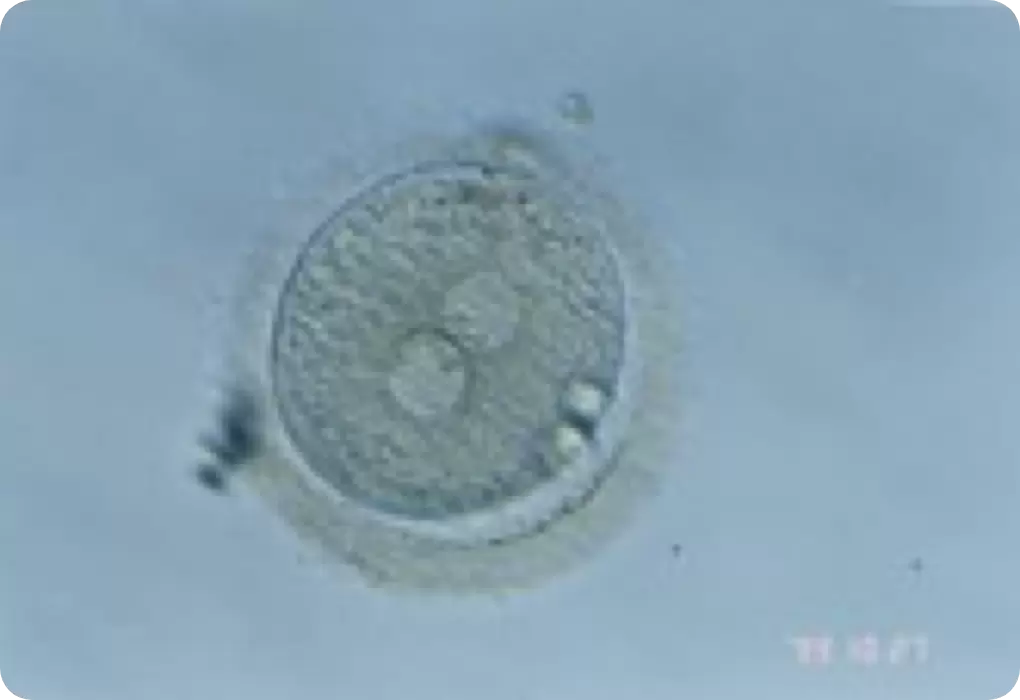 Two Pronuclei (2PN) | 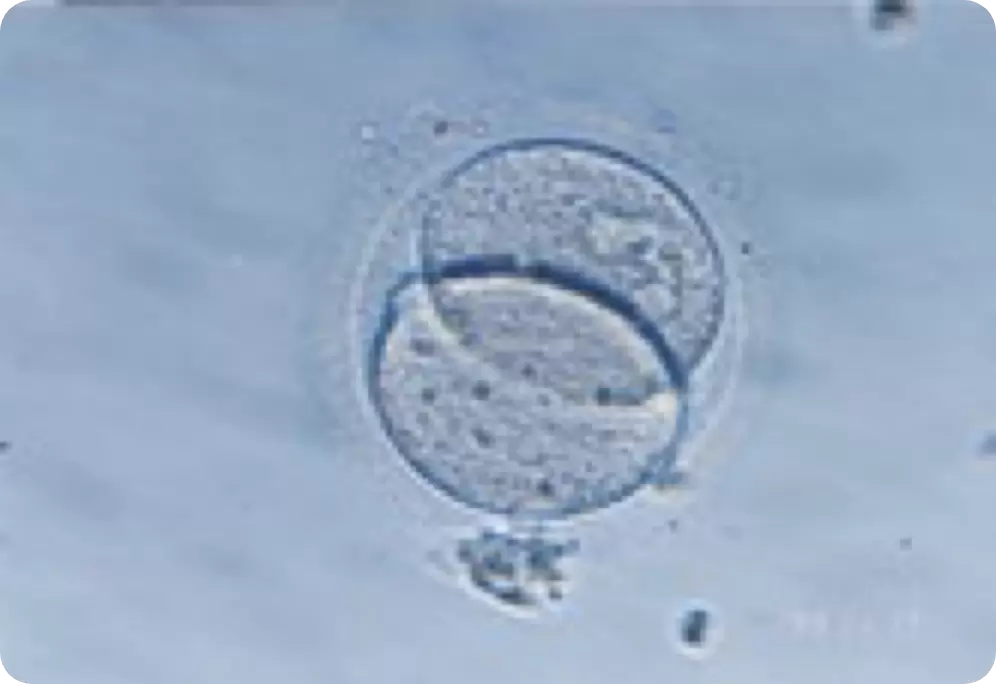 D1 Two-cell phase |
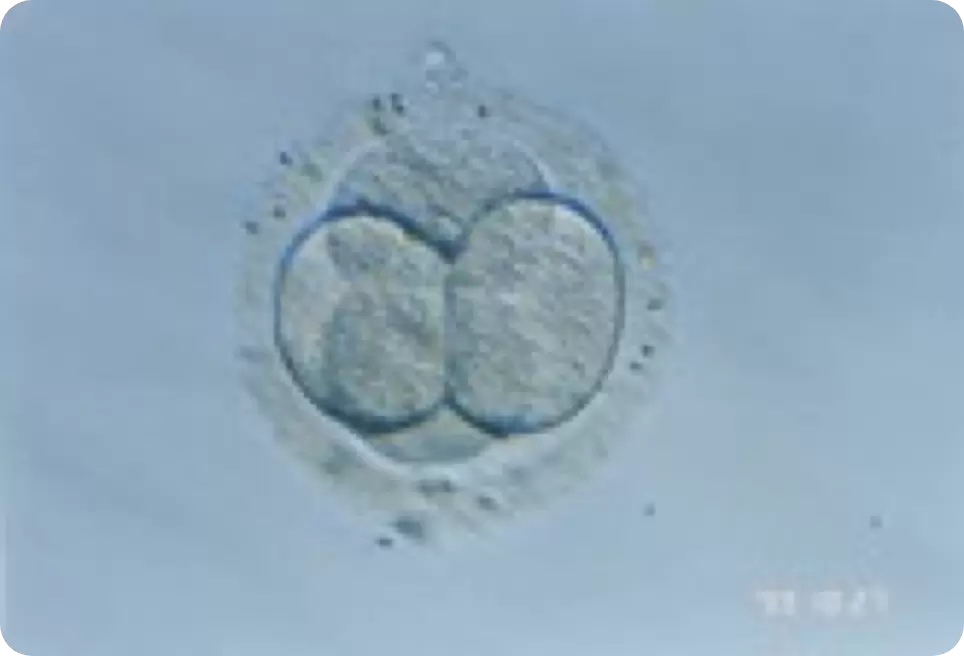 D2 Four-cell phase | 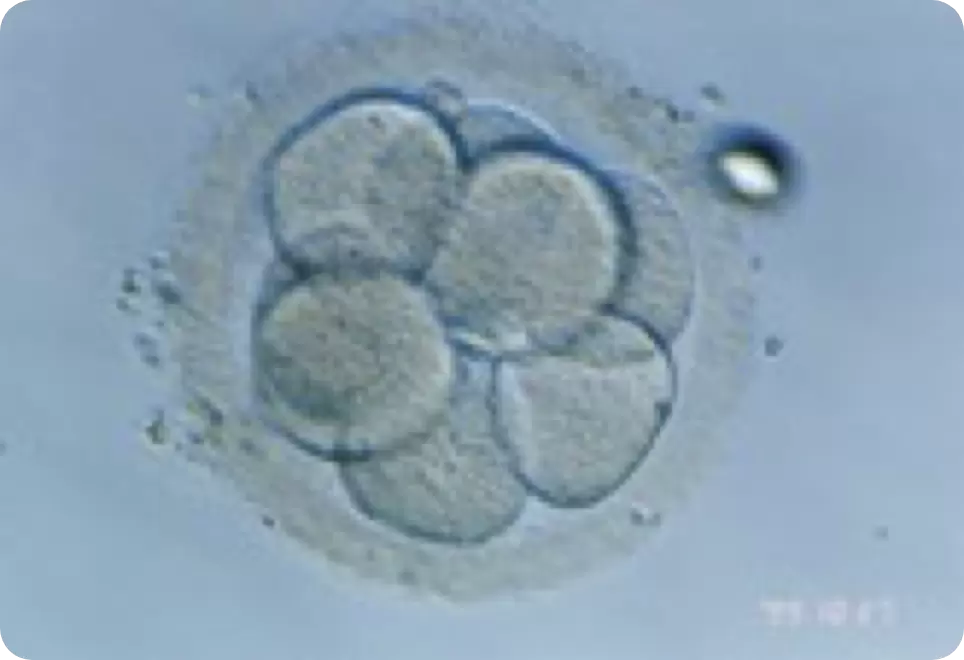 D3 Eight-cell phase |
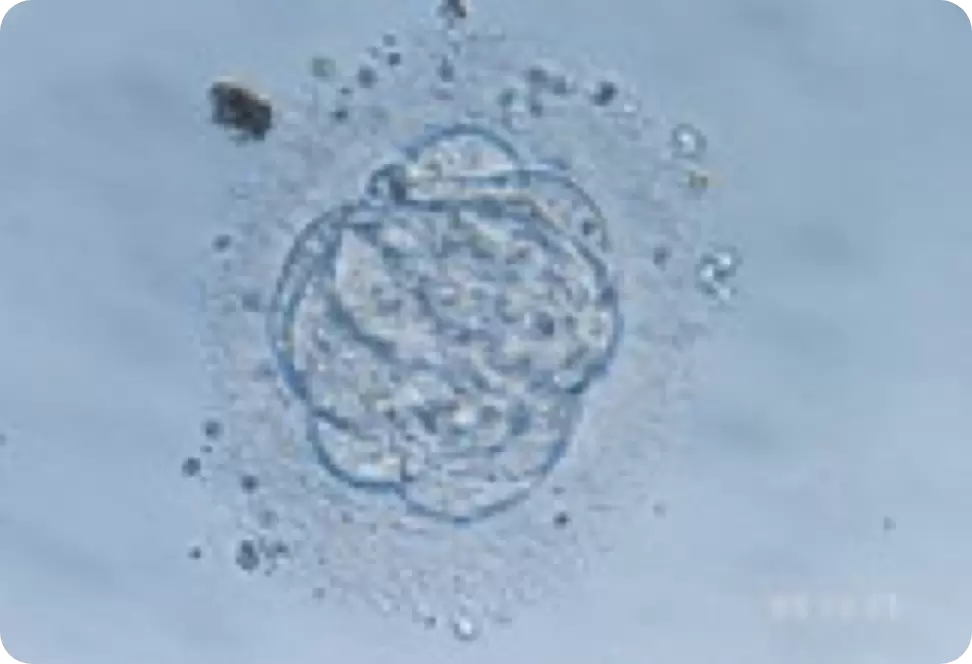 D4 Morula phase | 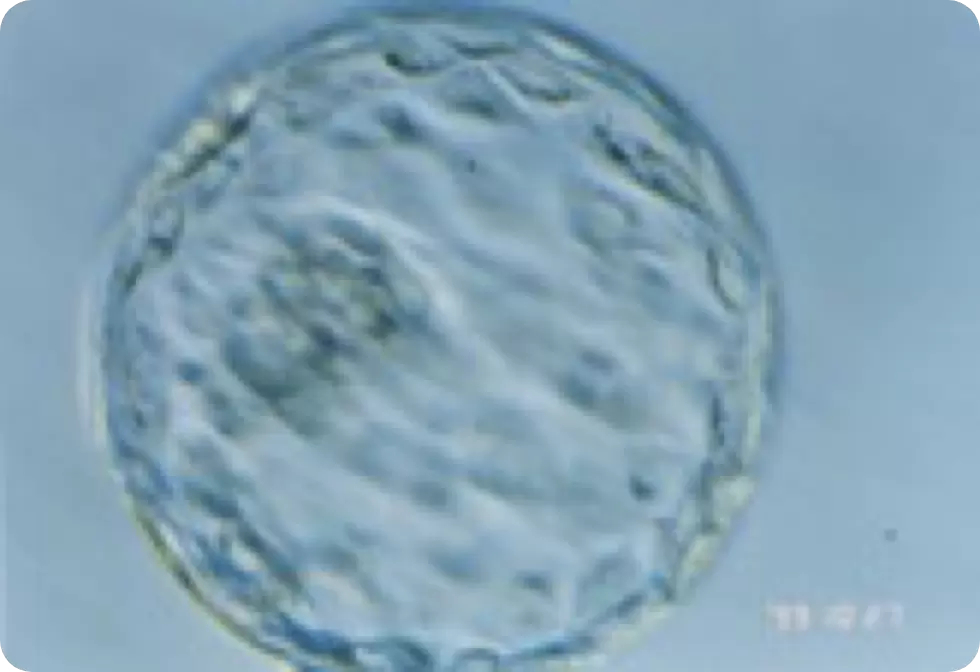 D5 Blastocyst phase |
IVF Detail 2 : Day 3 or Day 5 embryos, which is better?
Generally, Day 5 embryos have developed into blastocysts with a higher probability of implantation, and genetic testing (PGT) can also be arranged before embryo transfer. However, not all embryos can develop to Day 5 in vitro, and some may stop developing during the process. Therefore, for patients with poor ovarian function or insufficient egg quantity and a limited number of embryos, it is recommended to consider transferring more than one Day 3 embryo. For patients with sufficient egg quantity or those who require PGT, the transfer of Day 5 embryos would be recommended.
IVF Detail 3 : Embryo Transfer
Embryo transfer at Lee Women's Hospital is conducted in a separate implantation room, which is a controlled area that ensures our patients’ privacy and smooth transportation of embryos. The procedure includes:
Preoperative massage for relaxation
The doctor uses transvaginal ultrasound to observe the condition of the uterus
The embryo is then transferred into the uterus using a catheter
After surgery, the patient rests for one hour before discharge
Embryo transfer procedures do not require anesthesia or painkillers, and patients can be discharged on the same day. Mild bloating and slight bleeding after the procedure are normal, but if you have any concerns, please contact our specialist. If you experience severe abdominal pain, bloating, or heavy bleeding, please seek medical attention immediately.
Number of Embryo Implantations
Doctors will determine the number of embryos to be implanted based on the patient's age and physical condition, while also adhering to the Embryo Implantation Guidelines issued by the Taiwan Society of Reproductive Medicine:
Age / Situation | Recommended Number of Embryos |
| Under 35 | 1 – 2 |
| Ages 35–37 | max. 2 |
| Ages 38–40 | max. 3 |
| Over 40 | max. 4 |
| Normal embryo is identified by PGT | 1 (eSET) |
| Patients with favorable-prognosis | 1 (eSET) |
Multiple pregnancies pose risks to both the mother and the fetus, such as miscarriage, premature birth, gestational diabetes, and pregnancy-induced hypertension. If three or four embryos are implanted and the doctor determines that the patient cannot bear them, multifetal pregnancy reduction may be necessary, with the goal of leaving twins. The most serious consequence of reduction is the miscarriage of all fetuses. Therefore, current IVF treatments aim for a healthy singleton. Any remaining embryos can be frozen and stored for future use if the patient plans to have more children.
Donor Egg IVF
Women who are unable to use their own eggs due to age or congenital or acquired diseases can fulfill their desire to become pregnant through a donor egg program. Lee Women’s Hospital has its own egg bank, and egg donors have an average age of 26 and have passed strict physical and chromosomal examinations. Patients can also choose to use 2nd, 3rd, or 4th generation IVF technologies according to their own situation to increase the pregnancy rate after receiving donor eggs. According to data released by the Taiwan Ministry of Health and Welfare, the pregnancy rate for women over 41 years of age who undergo self-egg IVF is only 5-10%, and the live birth rate is less than 4%. However, according to the statistics of the pregnancy rate of donor egg IVF over the years, it can reach more than 65%, and the live birth rate is 55%. The state-of-the-art AI system adopted in LWH has raised the overall pregnancy rate by donor eggs IVF up to more than 80%, giving the advanced maternal aged women another option.
Features of IVF Treatment at Lee Women’s Hospital
Lee Women’s Hospital has helped couples from over 38 countries realize their dreams of parenthood, welcoming more than 42,000 IVF babies into the world.
To ensure a smooth and reassuring medical journey to Taiwan, we provide exclusive International Medical Services for overseas patients. Our International Affairs Department is staffed with experienced bilingual coordinators who offer comprehensive support, including pre-travel online medical consultations, one-on-one personalized accompaniment during your stay in Taiwan, and dedicated assistance throughout your treatment to ensure clear communication without language barriers.
Lee Women’s Hospital has invested hundreds of millions to establish a world-class reproductive medicine center. Our facility is supported by a large team of fertility specialists, three core laboratories, and dedicated international patient coordinators. Through advanced reproductive technologies and attentive, patient-centered care, we are committed to helping every family transform their hope for a child into reality.
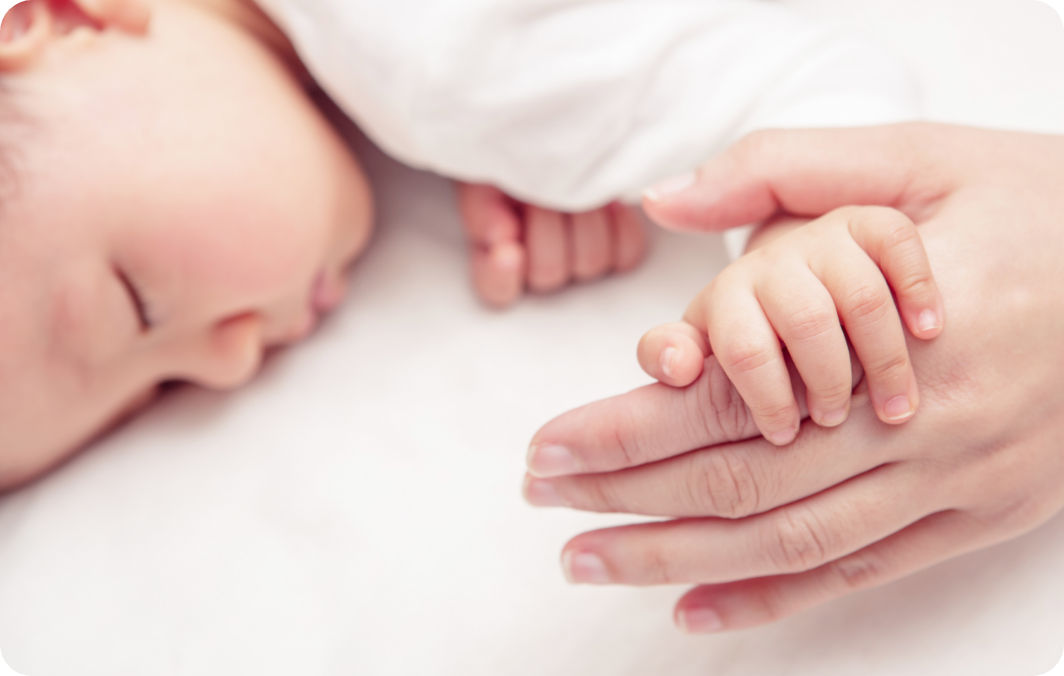

Real-life Stories
Lee Women’s Hospital has extensive experience in reproductive medicine.
Through the stories of three women who underwent egg freezing here, we share how advanced medical expertise helped them preserve their dreams for the future.

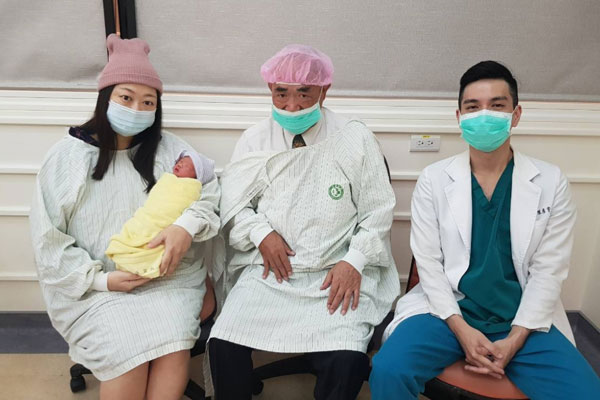


We bridge the distance with online consultations and personalized accompaniment services.
Whether you are ready to book a treatment or simply need more information about costs, or travel timing, please contact our International Affairs Department. We are ready to provide a personalized treatment plan tailored to your needs.
Contact UsLee Women's Hospital
Banqiao Branch

FAQ


How to Improve IVF Success Rate?

The following are some of the factors that can affect IVF success rates:
Improving the quality of eggs and embryos
Doctors often use the analogy of assembling an iPhone to describe the process of IVF. The fertility center is like an iPhone assembly plant, where the finest parts (egg and sperm) are needed to have a chance of creating a high-quality product. If the quality of egg and sperm from the couple is found to be poor during the initial consultation, we may recommend supplements such as DHEA, vitamin D3, Q10, inositol, and growth hormones to improve egg quality. If the sperm's ability to penetrate the egg is poor, we can use the unique "spindle positioning technique" in our hospital to avoid damaging the chromosomes in the embryo during intracytoplasmic sperm injection (ICSI). This technique not only greatly improves the fertilization rate but also ensures high quality embryos.
Selecting embryos with the highest pregnancy rate
Due to the trend of delayed marriage and childbearing in modern society, older women undergoing IVF may face chromosomal abnormalities, which can be one of the reasons for repeated IVF failures or miscarriages. To exclude this factor, Lee Women’s Hospital uses Preimplantation Genetic Testing for Aneuploidy (PGT-A/PGS) to select embryos with better quality and improve success rate. In addition, our hospital has also developed 4th generation IVF to further improve the pregnancy rate.
Creating a favorable uterine environment
A healthy and receptive uterine environment is crucial for successful embryo implantation. Therefore, before starting treatment, doctors usually check for adhesions or polyps in the uterus. If present, they will determine their size and location to decide whether they will affect implantation. If they do, surgery will be performed. In addition, before implantation, we use drugs such as Viagra and estrogen to achieve the appropriate endometrial thickness (8-12mm). However, some patients may have a poor response to medication, in which case we use "intrauterine injection of autologous platelet-rich plasma (PRP)" to solve the problem.
Finding the best implantation time
In clinical practice, we can use "Endometrial Receptivity Analysis (ERA)" to determine the optimal time for embryo implantation. Since the endometrium can only accept embryo implantation at a specific time each month, we call this the "window of implantation." The timing and duration of each person's implantation window are different, and accurate prediction can increase the success rate of a single IVF cycle by 25%. The ERA test involves sampling the wife's endometrial tissue for genetic analysis, which allows the doctor to perform a more accurate implantation according to the test report.
What precautions should be taken after embryo transfer?
After IVF embryo transfer, it usually takes about two weeks before a pregnancy test can confirm the outcome. During this waiting period, most patients can continue their normal daily routines without excessive restrictions. The key is to maintain a balanced lifestyle and follow your doctor’s instructions.
Daily Care After Embryo Transfer
You do not need to make drastic changes to your daily life. Gentle activities, regular sleep, and stress management are encouraged. Prolonged bed rest is not recommended, as it may negatively affect blood circulation and increase the risk of blood clots.
Diet Tips After IVF Embryo Transfer
A healthy and balanced diet supports overall well-being during implantation:
- Balanced nutrition:
Consume a variety of seasonal fresh vegetables, fruits, high-quality protein, and whole grains. Limit refined foods, fried foods, and grilled or heavily processed meals. - Prevent constipation:
Constipation can occur after embryo transfer. Increase your intake of fiber-rich foods and drink plenty of water to support regular bowel movements. - Foods to limit:
Reduce consumption of yam, papaya, sesame oil, traditional Chinese herbal medicines, iced foods, tobacco, and alcohol. Foods that are excessively dry or cold should also be minimized.
Small amounts of coffee or tea are generally acceptable, unless otherwise advised by your physician.
- Balanced nutrition:
Exercise After Embryo Transfer
If you have an established exercise routine, consider lowering the intensity or consult your doctor for personalized guidance. Light activities such as walking are usually acceptable.
Important Reminder
Successful implantation depends on multiple medical factors, including embryo quality and uterine conditions. Everyday movements, posture, or temporary activity levels do not determine the outcome. Following medical advice and maintaining a calm, healthy routine is the best approach during this time.
How much does IVF treatment cost for international patients at Lee Women’s Hospital?
The total cost of an IVF cycle varies depending on the specific technology used, the patient’s physical condition and the required medication dosage. Generally, the cost in Taiwan is approximately 50% lower than the global average, making it a highly competitive and high-quality choice for international couples.Below is an estimated price range for the different generations of IVF treatment at our hospital:
- Basic IVF : USD$7,800 – $8,500
- 4th Gen IVF (with AI + PGT-A + Time-lapse) : USD$11,500 – $13,500
- Donor Egg IVF : Variable