





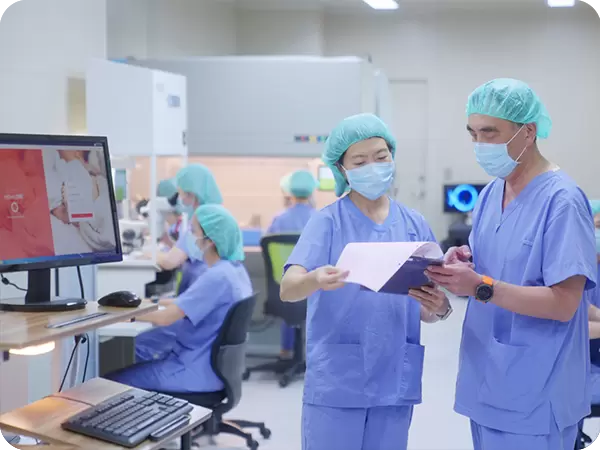


Embryo Freezing (cryopreservation): Brief Introduction and Procedure
What is Embryo Freezing?
Embryo freezing refers to the cryopreservation of viable embryos developed during in vitro fertilization (IVF). The embryos are stored and can be thawed at an appropriate time for transfer into the uterine cavity, preserving the possibility of future implantation.
Vitrification is an advanced cryopreservation technique that rapidly freezes embryos into a glass-like state, preventing the formation of ice crystals during the freezing process. Using high concentrations of cryoprotectants, embryos are rapidly dehydrated within a short period and cooled at an ultra-fast rate of approximately -23,000°C per minute to achieve vitrification. This process requires precise technical expertise to minimize cellular damage and improve post-thaw survival rates.

Suitable Candidates for Embryo Freezing
- Couples who have completed oocyte retrieval and fertilization but do not plan to undergo immediate embryo transfer.
- Patients with suboptimal conditions for fresh embryo transfer, such as insufficient endometrial thickness or hormonal imbalance.
- Patients preparing to undergo uterine surgery, chemotherapy, radiotherapy, or other major medical treatments.
- Couples who wish to preserve embryos as an option for future pregnancy.
- Couples who plan to undergo preimplantation genetic testing (PGT) and wait for the results before embryo transfer.
What Is the Difference Between Vitrification and Conventional Embryo Freezing?
Vitrification is an advanced cryopreservation technique that rapidly freezes embryos into a glass-like state, preventing the formation of ice crystals during the freezing process. These ice crystals can damage cellular structures and impair embryo function, potentially leading to embryo loss. Using high concentrations of cryoprotectants, embryos are rapidly dehydrated within a short period and cooled at an ultra-fast rate of approximately -23,000°C per minute to achieve vitrification. This process requires precise technical expertise and is performed by experienced embryologists.
Conventional embryo freezing (slow freezing) involves gradually dehydrating embryos in a cryoprotectant, followed by controlled cooling to -196°C for preservation. Due to the slower cooling rate, ice crystals may form more easily, and post-thaw survival rates are typically around 80%.
Does Frozen Embryo Transfer Reduce Pregnancy Rate?
According to data from the Taiwanese government, the pregnancy and live birth rates of frozen embryo transfer have steadily increased over time and have now surpassed those of fresh embryo transfer.
Comparison of Pregnancy Rates Between Fresh and Frozen Embryo Transfer Using Partner Gametes in Taiwan (2022)
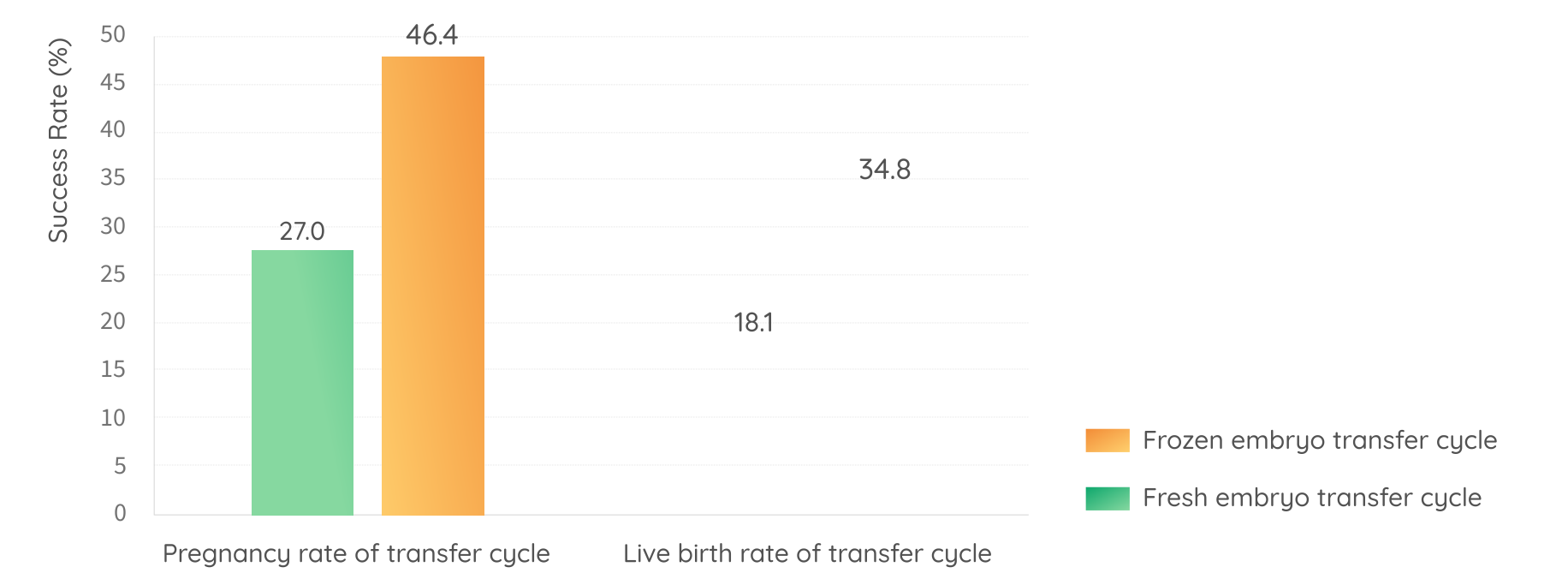
Based on clinical observations and data, fresh embryo transfer—although it does not involve freezing—is performed during the same cycle as ovarian stimulation and egg retrieval. The medications and hormonal changes associated with this cycle may affect endometrial receptivity and embryo implantation. In contrast, frozen embryo transfer (FET) allows for optimal preparation of the uterine lining prior to transfer.
Overall, pregnancy rates for frozen and fresh embryo transfers are similar.
From Frozen Embryo Transfer to Successful Pregnancy
The literature indicates that transferring three good-quality embryos over three consecutive frozen embryo transfer cycles can achieve a cumulative pregnancy success rate of up to 95%.
Therefore, it is generally recommended to cryopreserve at least two to three embryos to improve the chances of successful future embryo transfer. However, the ultimate pregnancy rate after frozen embryo transfer mainly depends on the woman’s physical condition at the time of transfer, embryo quality, and the treatment strategy determined by the physician. The optimal number of embryos to freeze should be assessed on an individual basis, and it is advised to discuss thoroughly with your physician to develop a frozen embryo plan tailored to your personal needs.
Embryo Freezing: Five Key Steps
In general, the embryo freezing process takes approximately 14 to 20 days. If follow-up examinations are conducted at a nearby clinic, patients typically need to visit the hospital only about twice during the process.
STEP
01
Pre-treatment Evaluation
STEP
02
Ovulation Induction
STEP
03
Egg Retrieval and Sperm Collection
STEP
04
Fertilization
STEP
05
Embryo Freezing
STEP 01 Pre-treatment Evaluation
Before starting the embryo freezing treatment, both partners are required to undergo a series of fertility evaluations. These assessments help determine overall physical condition and reproductive health, and serve as an important basis for planning subsequent treatment steps.
- Female partners undergo blood tests and transvaginal ultrasound examinations. Blood tests are used to assess ovarian reserve, including measurements such as AMH (Anti-Müllerian Hormone) and FSH (Follicle-Stimulating Hormone). Transvaginal ultrasound allows physicians to evaluate the number and size of ovarian follicles and further assess ovulatory potential.
- Male partners undergo semen analysis to evaluate sperm concentration, motility, and morphology, and to determine whether sperm quality is suitable for fertilization.
If the evaluation results indicate favorable fertility conditions for both partners, the physician may proceed with scheduling the embryo freezing treatment. If certain parameters do not meet optimal standards, the physician will provide individualized recommendations and arrange a preconception preparation period to help improve egg and sperm quality, thereby establishing a strong foundation for embryo development.
Preconception Preparation Period
A preparation period of approximately three months is recommended. During this time, adjustments are mainly made in the following three aspects:

Healthy Lifestyle
Maintain a regular daily routine, avoid smoking and excessive alcohol consumption, and minimize long-term sleep deprivation and excessive stress.


Balanced Diet and Weight Management
Maintain an ideal body weight and follow a balanced diet rich in antioxidants, protein, and essential fatty acids.


Vitamin and Nutritional Supplementation
Supplementation with nutrients such as folic acid, zinc, vitamin D, and coenzyme Q10 may help improve the quality of reproductive cells.
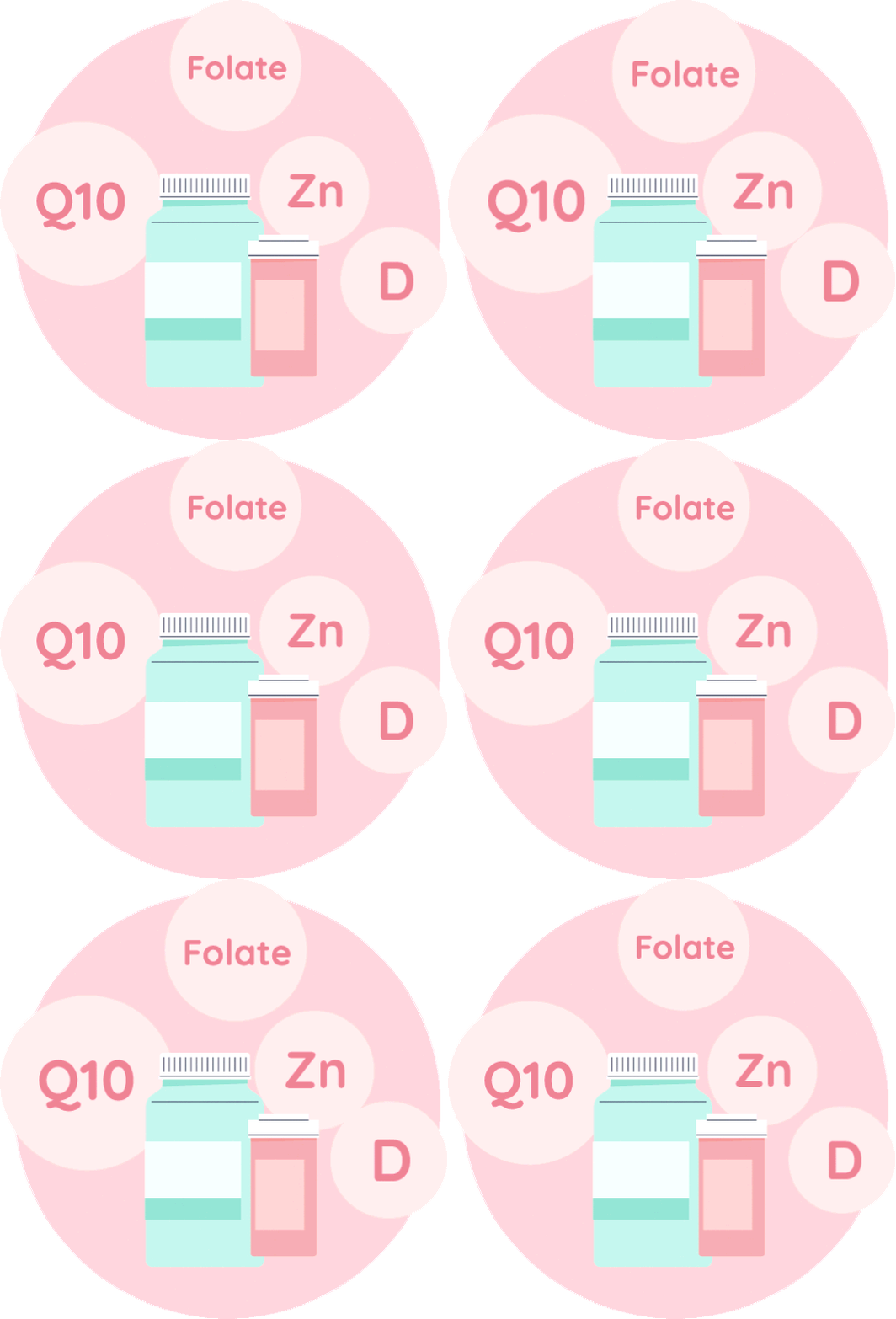
Through comprehensive evaluation and appropriate preconception preparation, couples can proceed with embryo freezing treatment in an optimal physical condition. This helps improve fertilization outcomes and embryo quality, laying a solid foundation for a successful future pregnancy.
STEP 02 Ovulation Induction (Day2~12)
In most cases, embryo freezing treatment begins on Day 2–3 of the menstrual cycle, when ovulation induction is initiated based on an individualized treatment plan. On that day, patients receive nursing instructions and injection training. Subsequent medications can usually be self-administered at home under medical guidance, reducing the need for frequent clinic visits.
During the stimulation phase, physicians adjust medication dosages based on monitoring results. Patients typically return to the clinic 2–3 times for blood tests and transvaginal ultrasound to assess follicular development.
For international patients, follow-up visits are arranged based on your stay in Taiwan. If you are unable to return as scheduled, examinations can be performed at a local clinic, with reports shared with your coordinator so that physicians in Taiwan can continue monitoring and determine the optimal timing for egg retrieval.
If you feel uncomfortable or anxious about self-administering injections, you may bring your syringes, medications, medication bags, and injection instructions to the injection room at Lee Women’s Hospital, where a nurse can assist you—helping you complete each step of the treatment process with greater peace of mind.

STEP 03 Egg Retrieval and Sperm Collection (Day12~14)
Once follicular development has reached an adequate level of maturity, the physician will schedule the egg retrieval procedure. This is typically arranged around Day 12 to Day 14 of the menstrual cycle, depending on individual response to ovulation induction.

Egg Retrieval
When follicle monitoring confirms sufficient maturity, the physician will prescribe ovulation-trigger shot and schedule the egg retrieval procedure. Egg retrieval is performed within 36 hours after the trigger shot to ensure optimal egg quality.
The egg retrieval procedure typically takes 10–20 minutes and is performed under short-acting intravenous anesthesia to minimize discomfort and anxiety. After the procedure, patients rest in a recovery area for observation. Once stable, they are guided to a consultation room, where medical staff provide post-procedure care instructions and explain the next steps of treatment.

Sperm Collection
On the day of egg retrieval, sperm collection is also required for fertilization. Sperm may be collected using one of the following methods, depending on personal preference and medical guidance:
- On-site sperm collection: Sperm is collected in the hospital’s designated collection room, which provides a private and well-equipped environment.
- Off-site sperm collection: Before collection, hands should be thoroughly washed, and no lubricants or other substances should be used. Semen is collected by masturbation into a sterile container provided by the hospital and must be delivered to the reproductive medicine center within 2–3 hours, typically before 8:00 a.m. on the day of egg retrieval. (This information applies to the Taichung main center; patients visiting other branches are advised to confirm the details with the respective center.)
STEP 04 Fertilization of Eggs and Sperm
Immediately after egg retrieval and sperm collection, fertilization is performed in the IVF laboratory under strictly controlled conditions. In our IVF lab, every step of the embryo process is guaranteed by both the intelligent system and dedicated embryologists, ensuring accuracy and safety throughout fertilization and embryo development. The fertilized embryos are cultured in a laboratory environment that maintains high standards for both medical materials and laboratory conditions, allowing embryos to develop under stable conditions that closely resemble the uterine environment. After embryo development, embryos may proceed to cryopreservation or preimplantation testing.
As outlined in our clinical workflow, embryos may undergo chromosomal or genetic screening prior to implantation, and embryo transfer is scheduled after the results are available.
STEP 05 Embryo Freezing
Successfully developed embryos are preserved using state-of-the-art ultra-rapid vitrification techniques to maintain cellular integrity and optimize post-thaw survival rates.
01
02
03
04
The embryos are first placed into vitrification-specific solutions. High-concentration cryoprotectants are used to remove intracellular water, preventing ice crystal formation during freezing and protecting cellular structures.
After preparation, the embryos—together with a minimal volume of cryoprotectant—are loaded onto a specialized freezing carrier in preparation for ultra-low-temperature rapid freezing.
The freezing carrier is rapidly immersed in liquid nitrogen, allowing embryos to reach a vitrified (glass-like) state almost instantly under an ultra-fast cooling rate of approximately –23,000°C per minute, thereby effectively preventing ice crystal formation.
Once vitrification is completed, the embryos are stored in –196°C liquid nitrogen tanks for long-term preservation. Under these conditions, embryos can remain viable for many years without deterioration in quality.
How Long Can Frozen Embryos Be Stored?
In Taiwan, the Artificial Reproduction Act stipulates that the maximum storage period for frozen embryos is 10 years. Similarly, in Hong Kong, under the Human Reproductive Technology (Licensing) Regulation issued by the Council on Human Reproductive Technology, embryos stored for personal use may be cryopreserved for up to 10 years. Therefore, careful monitoring and management of this storage period is an essential part of long-term family planning.
Are Frozen Eggs and Sperm Also Limited to a 10-Year Storage Period?
Compared with frozen embryos, cryopreserved gametes (eggs and sperm) are subject to more flexible storage regulations in both Taiwan and Hong Kong. In Taiwan, the storage duration for frozen eggs and sperm is determined by agreement between the medical institution and the individual. As long as storage renewal fees are paid according to this agreement, there is currently no legally mandated maximum storage period.
In Hong Kong, under general circumstances, the storage period for gametes used for personal purposes is the same as that for embryos, with a maximum of 10 years. However, for patients undergoing chemotherapy, radiotherapy, or other medical treatments that may impair fertility, frozen eggs or sperm may be stored for up to 10 years or until the patient reaches 55 years of age, whichever is longer. This provision allows extended storage for fertility preservation in medically indicated cases.
How Are Frozen Embryos Used in the Future?
Before Transfer
Endometrial Preparation
The uterine lining is prepared and optimized by adjusting endometrial thickness and the uterine environment to support successful embryo implantation.
During Transfer
Embryo Implantation
Under ultrasound guidance, the physician gently transfers the embryo into the uterine cavity using a soft catheter to guide implantation.
After Transfer
Luteal Phase Support
Progesterone and other luteal support medications are administered after transfer to stabilize the endometrium and enhance implantation success.
When you are ready to proceed with pregnancy, you may inform the medical team of your intention to thaw and transfer frozen embryos. The physician will first arrange a preparation protocol for the uterine lining to optimize endometrial thickness and the uterine environment for implantation.
Once optimal uterine conditions are achieved, the embryo is thawed and transferred into the uterine cavity under real-time abdominal ultrasound guidance using a soft catheter. After embryo transfer, luteal phase support medications are prescribed to stabilize the endometrium and support implantation. Pregnancy testing is typically performed approximately two weeks after transfer to confirm successful implantation.
If multiple embryos are available and not all are used during the current treatment cycle, the remaining embryos may continue to be cryopreserved for future use. The entire process is carefully monitored by a professional medical team to ensure a safe and smooth pregnancy journey.
凍胚雖然能延緩生育時間,但仍無法完全避免高齡產婦可能面臨的風險。胚胎的品質主要取決於取卵當時女性的年齡與卵子狀況。若女性在年輕時採集並凍存胚胎,使用時胚胎品質相對較好,懷孕成功率也較高,風險相對降低。
但懷孕和生產時,母親的年齡仍是重要因素。年齡越大,孕期合併症如妊娠高血壓、妊娠糖尿病、早產等風險會增加。此外,高齡產婦也較可能需要更多產前監測與醫療支持。總結來說,凍胚能延長生育黃金期,但孕產風險仍與母親當時的實際年齡密切相關。建議女性盡早規劃並與醫師討論,以降低高齡孕產風險。
Frozen Embryo Transfer Procedure Overview

Step 1
Pre-arrival Preparation
It is recommended to drink approximately 500–600 cc of water about 30 minutes before check-in. A moderately full bladder helps improve visualization of the uterus and endometrium during ultrasound examination.

Step 2
Check-in
After identity verification, nursing staff will explain the embryo transfer procedure in detail, including important precautions and possible situations, to help you better understand the entire process.

Step 3
Guidance to the Transfer Room
Nursing staff will guide you to the embryo transfer room and assist you in positioning yourself properly for the procedure.

Step 4
Embryo Confirmation
You will be shown your baby’s first photo, which is the ultrasound image of the embryo after thawing.

Step 5
Ultrasound Examination
The physician will use abdominal ultrasound to carefully assess the thickness and condition of the uterine lining.
Step 6
Embryo Transfer
The physician will gently transfer the frozen embryo into the uterus. The procedure usually takes only a few minutes.
Step 7
Post-transfer Rest and Discharge
After embryo transfer, you may rest in bed for approximately 30–60 minutes before going home. During this time, you may use the restroom if needed—there is no risk of the embryo slipping out.
It is advised to avoid prolonged bed rest exceeding 1 hour, as excessive immobility may impair blood circulation, increase the risk of blood stasis, reduce uterine blood flow, and potentially affect progesterone support.
A Successful Frozen Embryo Case from Hong Kong
Planning for Future Pregnancy
Shortly after Lee Women’s Hospital opened its doors, Mr. and Mrs. S came in for a consultation on frozen embryos. Fresh from their honeymoon abroad, they were preparing to start their married life. As they were 33 years old, both sets of parents urged them to consider pregnancy. After learning from the news that embryos could be frozen after marriage, they immediately came to Lee Women’s Hospital for consultation.
During their first visit, Dr. Maw-Sheng Lee, the hospital director, provided professional advice, leading them to decide on embryo freezing that same day. The couple underwent egg retrieval and sperm collection, and the fertility center successfully fertilized the eggs. In the end, they had seven healthy embryos frozen for future use.

The Frozen Baby Crossing 3 Years
Three years later, Mr. and Mrs. S returned to Lee Women’s Hospital. During this time, they bought a new house and enjoyed three blissful years together. Now, they were ready to welcome a new family member.
Dr. Lee performed a uterine hysteroscopy for Mrs. S to ensure her uterine cavity was in good condition and evaluated the number of embryos for implantation. As Mrs. S had a healthy uterus and the frozen embryos from three years earlier were of good quality, it was decided to implant only one embryo to reduce the risk of multiple pregnancies.
The rest of their journey was like that of any expectant parents—from the joy of a positive pregnancy test, through the challenges of pregnancy, to the nervous anticipation before delivery. In the nursery, their baby was just as tender and precious as any other baby, with the only difference being that he was a frozen embryo that had crossed over from three years ago.

We bridge the distance with online consultations and personalized accompaniment services.
Whether you are ready to book a treatment or simply need more information about costs, or travel timing, please contact our International Affairs Department. We are ready to provide a personalized treatment plan tailored to your needs.
Contact UsLee Women's Hospital
Banqiao Branch

FAQ


How Long Can Embryos Be Cryopreserved? Is There a Storage Time Limit?

From a technical perspective, embryo freezing technology is highly advanced, and there is no inherent technical limitation on how long embryos can be cryopreserved.
However, from a regulatory and ethical standpoint, many regions have established legal storage limits to ensure appropriate use of reproductive medicine and medical resources.
In Hong Kong, according to the Human Reproductive Technology (Licensing) Regulation issued by the Council on Human Reproductive Technology, embryos stored for personal use may be cryopreserved for up to 10 years.
Similarly, in Taiwan, the Artificial Reproduction Act stipulates that the maximum storage period for frozen embryos is also 10 years.
Therefore, for families choosing embryo freezing, careful monitoring and management of this 10-year storage period is an essential part of long-term family planning.
On Which Day After Oocyte Retrieval Is It Best to Freeze Embryos?
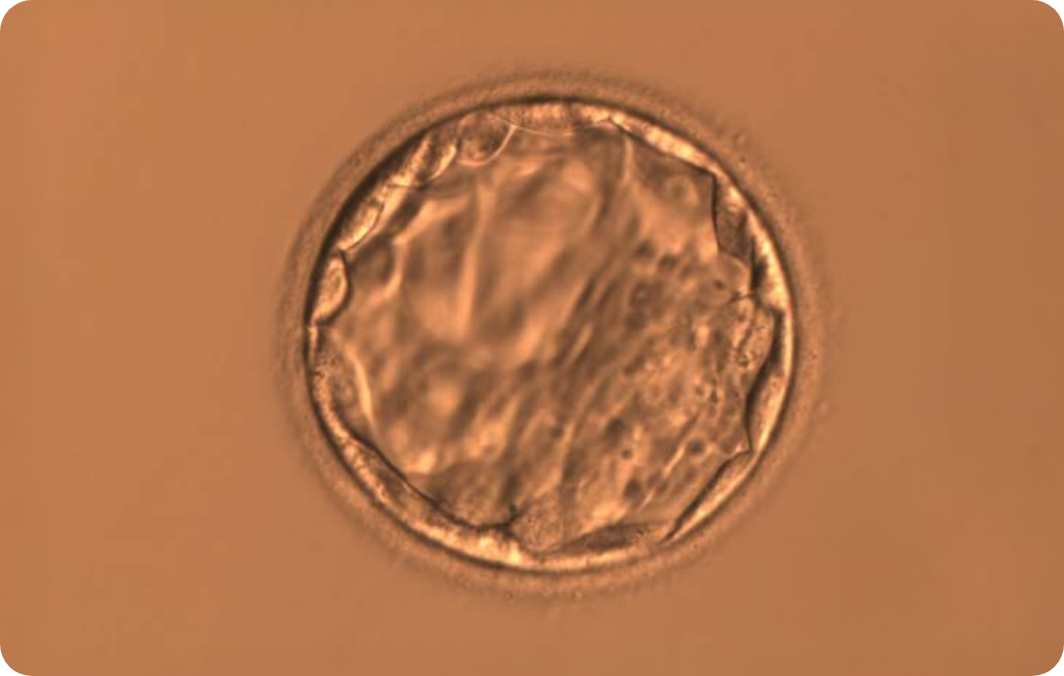
With advances in cryopreservation technology, embryos can be safely frozen at different developmental stages. In clinical practice, embryos are most commonly cryopreserved either on Day 1 (D1, two-cell stage) or Day 5 (D5, blastocyst stage).
Although the formation rate of D5 blastocysts is lower, blastocysts have undergone more days of development and generally demonstrate higher developmental potential and better embryo quality. Therefore, under most circumstances, D5 blastocysts are preferred for cryopreservation and subsequent transfer.
When Is the Timing for Frozen Embryo Transfer? Is a Natural Cycle Used?
The timing of frozen embryo transfer varies from person to person. In general, there are two main approaches for frozen embryo transfer: a hormonally controlled cycle and a natural cycle. You may discuss with your attending physician to determine which approach is most suitable for your individual condition.
Hormonally Controlled Cycle:
During the preparation cycle for embryo transfer, estrogen and progesterone are administered to prepare the uterine lining. This is the more commonly used approach, as the timing is easier to control for both the patient and the physician.
Natural Cycle:
In a natural cycle of frozen embryo transfer, the timing of embryo transfer is determined based on the patient’s natural menstrual cycle. This approach requires more frequent clinic visits and blood tests, as close monitoring is necessary to accurately track hormonal changes and ovulation timing.
Is Injection Required Before Frozen Embryo Transfer? Is Heparin Necessary?
Before frozen embryo transfer, progesterone injections are commonly used to mimic luteal hormone production and to support endometrial receptivity for embryo implantation.
Heparin is not routinely required for frozen embryo transfer. It is only prescribed for patients diagnosed with antiphospholipid syndrome or certain immune-related disorders, where anticoagulant therapy is clinically indicated as part of the treatment plan.
What Preparation Is Required Before Frozen Embryo Transfer? Is Progesterone Necessary?
Frozen embryo transfer (FET) allows for preparation of the uterine lining before implantation. Progesterone supplementation is usually required before frozen embryo transfer to support implantation, depending on the treatment protocol and individual condition. The use of progesterone may vary according to different treatment plans and physician evaluation.
Before frozen embryo transfer, it is recommended to optimize the condition of the uterine lining. In some cases, probiotics may be suggested to help improve the uterine environment. When a hormonally controlled cycle is used, estrogen and other medications may be administered during the preparation phase, followed by progesterone supplementation a few days before embryo transfer, which may be given by injection, vaginal suppository, or oral medication.
Is the Pregnancy Success Rate of Frozen Embryos High?
Based on clinical observations and statistics, fresh embryo transfer, despite not undergoing freezing, is exposed to various medications and injections during the egg retrieval cycle, which may affect the success rate of the uterine lining and embryo implantation.
Frozen embryo transfer (FET) allows for preparation of the uterine lining before implantation.
Overall, the pregnancy success rates of frozen embryos and fresh embryos are similar.
Why Does Embryo Freezing Require High-Standard Cryopreservation Techniques?
Vitrification is a freezing method that preserves embryos in a state between liquid and solid, preventing the formation of crystalline structures during freezing.
These crystalline structures can damage organelles within the cells, affecting the function of the embryo and, in severe cases, leading to embryo death.
Only high-standard vitrification freezing techniques can guarantee that the entire embryonic cell functions properly after thawing.
Key Factors for Successful Embryo Freezing:
Expertise of Embryologists
Complex freezing procedures require execution by experienced embryologists.
Our embryology team includes several professionals with doctoral qualifications and over 20 years of clinical experience, ensuring that every embryo is well frozen.
International-Grade Medical Equipment
Lee Women’s Hospital has introduced international-grade medical equipment, from liquid nitrogen tanks for embryo storage to freezing straws for embryo carriers.
According to research, the cryopreservation speed of the cryotop carrier is 8.2 times faster than that of the standard straw carrier (Marco-Jiménez, 2016).
Lee Women’s Hospital utilizes Cryotech freezing equipment and reagents, which are FDA-certified, and chooses carriers with high freezing speeds such as cryotop and precisely designed culture dishes to minimize any potential loss.
Intelligent Laboratory Management
Lee Women’s Hospital has implemented the high-standard Witness Electronic Verification System, providing ID chips for each step, from oocyte retrieval and sperm collection to freezing embryos.
These chips record the data of the embryo parents and treatment progress.
In our IVF lab, every step of the frozen embryo process is guaranteed by both the intelligent system and dedicated embryologists.