


Preimplantation Genetic Testing for Monogenic Disorders (PGT-M, formerly PGD)
A Precise Clinical Solution for Preventing Genetic Diseases
PGT-M (Preimplantation Genetic Testing for Monogenic Disorders) is a genetic diagnostic technology that identifies single-gene disorders in embryos. During the IVF process, a small number of embryonic cells are biopsied for genetic analysis. This allows us to select embryos free of specific hereditary conditions, preventing the transmission of severe genetic disorders to the next generation.
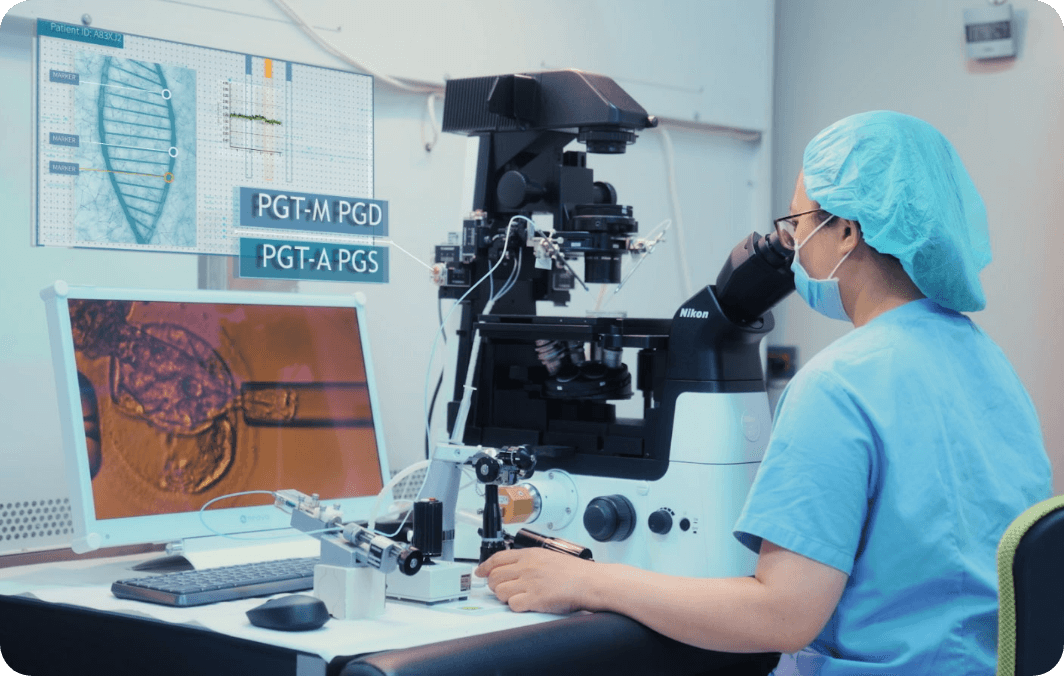
If one or both partners carry a family history of certain hereditary disorders, their children may either inherit the disease or become carriers. Because each genetic disorder has unique inheritance patterns and mutation sites, couples must undergo genetic counseling and provide genetic test reports and blood samples for DNA analysis before PGT-M can be performed. Our laboratory then designs customized probes for testing. Once the embryos have developed, these probes are used to detect the specific genetic disorders.
This advanced technology not only prevents the transmission of genetic disorders but also provides peace of mind for parents during pregnancy, offering a safe and effective strategy that helps families confidently welcome their babies.
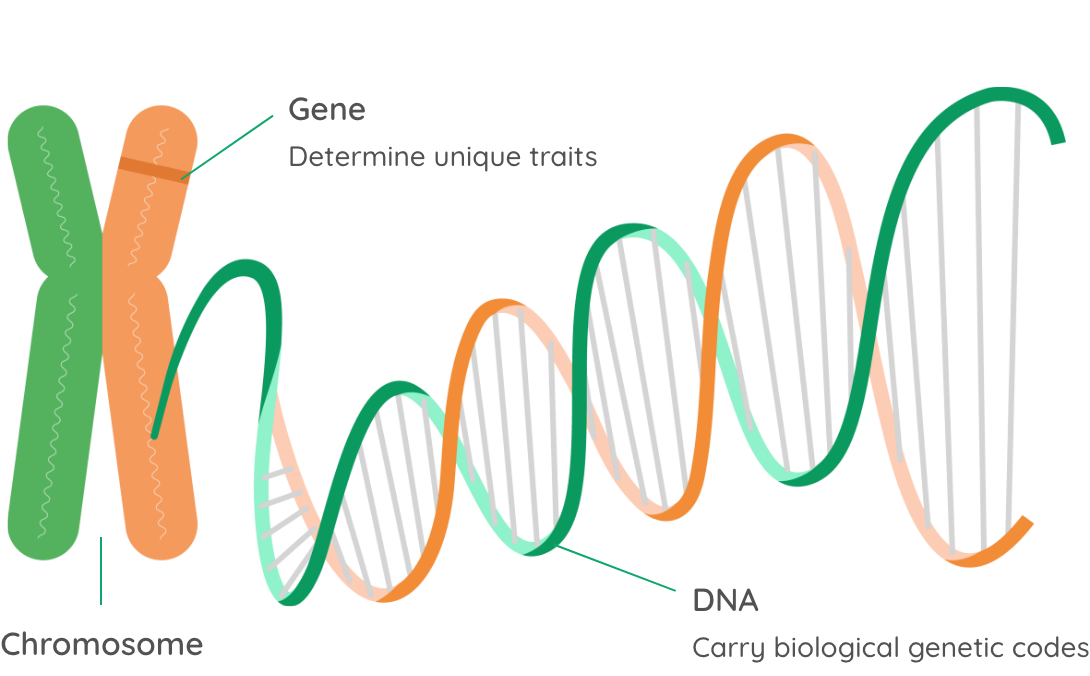
Extended Note: What Is a Gene?
Genes are the body’s inherited blueprint passed down from parents. Each person has about 30,000 genes, composed of DNA segments arranged in different sequences. Genes influence every human trait—such as blood type, skin color, height, and bodily functions. Each individual’s genetic makeup is unique.
Customized Diagnostic Plans for Monogenic Disorders
Lee Women’s Hospital’s Genetic Diagnosis Laboratory is one of Taiwan’s leading centers in reproductive genetics. With a team of doctoral-level scientists and experienced genetic researchers, we provide tailored diagnostic solutions for a wide range of conditions, including rare diseases, autosomal dominant and recessive disorders, and even complex genetic abnormalities.
Since its establishment, our laboratory has successfully developed and completed customized PGT-M testing for over 50 single-gene disorders, including Fragile X syndrome, sensorineural hearing loss, hemophilia, thalassemia, and spinal muscular atrophy (SMA).
Through a simple blood test, couples can be screened as carriers of genetic disorders. This helps us estimate the risk of passing these conditions to future children and provides crucial guidance for reproductive planning. Even if both partners are carriers, it doesn't mean you can't have a healthy child. By combining PGT-M with PGT-A, we can identify embryos that are both chromosomally normal and free of specific inherited disease, minimizing hereditary risks and supporting safe pregnancies.

Who Should Consider PGT-M?
- Couples with a family history of single-gene disorders
- Parents who previously had a child affected by a single-gene disorder
- Couples where either partner is a confirmed carrier of a genetic condition

PGT-M Procedure
Treatment plans may vary; timelines are adjusted based on medical advice.
Genetic Counseling
Consultation to discuss options
Genetic Screening
Case A: Existing genetic report
Case B: Screening needed (can be performed at LWH or other centers)
Result
Positive for a genetic disorder
Probe Design (PGT-M)
Probe design takes approximately 2 months.
Can be happened simultaneously:- Egg retrieval and embryo culture
- A Decision to add PGT-A
Embryo Testing
Embryo diagnosis (~1 month)
Embryo Transfer
Discuss transfer timeline with your physician

Clinical Results and Case Studies
Pompe Disease
Pompe Disease, also known as glycogen storage disease type II, is a rare autosomal recessive condition caused by mutations in the GAA gene. It prevents normal glycogen breakdown, leading to severe cardiac and muscular issues.

One couple, whose first child was diagnosed with Pompe Disease, came to us for a genetic carrier testing and were confirmed as carriers, which means they would face a 25% chance of recurrence.
For having a non-inherited baby, they chose PGT-M, and our laboratory help them identified:
- 1 affected embryo
- 2 carrier embryos
- 1 normal embryo
The normal embryo was finally implanted successfully, giving the couple a child free of genetic burden.
Spinocerebellar Ataxia Type 3 (SCA3)
SCA3 is a dominantly inherited neurodegenerative disorder caused by DNA mutations, leading to impaired coordination, muscle weakness, and speech difficulties.

A couple with confirmed family history of SCA3 came to us and chose IVF with PGT-M to reduce genetic risk. The process yielded 2 normal embryos without inheritance. One was successfully implanted, and follow-up testing during pregnancy confirmed no mutation. The couple delivered a healthy baby, breaking the chain of inheritance.
Hemophilia B
Hemophilia B is an X-linked recessive bleeding disorder caused by factor IX deficiency. Male carriers develop the disease, while females are typically asymptomatic carriers.

One female patient, confirmed as a carrier inherited by her mother, underwent PGT-M to avoid the condition happened to her brother. The process identified one normal embryo without inheritance. Implantation was successful, and prenatal testing confirmed the baby was unaffected.
A Professional Team Dedicated to Safeguarding the Health of the Next Generation

The Genetic Diagnosis Laboratory at Lee Women’s Hospital is equipped with a comprehensive genetic disease diagnostic system and rigorous quality control standards, making us one of the few reproductive medicine centers in Taiwan capable of performing customized probe design for PGT-M and precise single-gene disorder testing. We understand that when facing genetic risks, what you need is not just testing—but a trusted professional partner.
By integrating clinical genetic counseling, advanced molecular diagnostics, and extensive practical experience, our team provides reliable reproductive planning solutions for families at high genetic risk.
Whether you have already been identified as a carrier or are still in the family planning stage, our laboratory can design a personalized testing strategy to help you move forward with greater confidence and peace of mind—welcoming a healthy baby into your life.