

Preimplantation Genetic Testing for Aneuploidy (PGT-A, formerly PGS)
Selecting the Embryos with the Highest Chance of Implantation—A Key Step Toward a Successful Pregnancy
What is PGT-A?
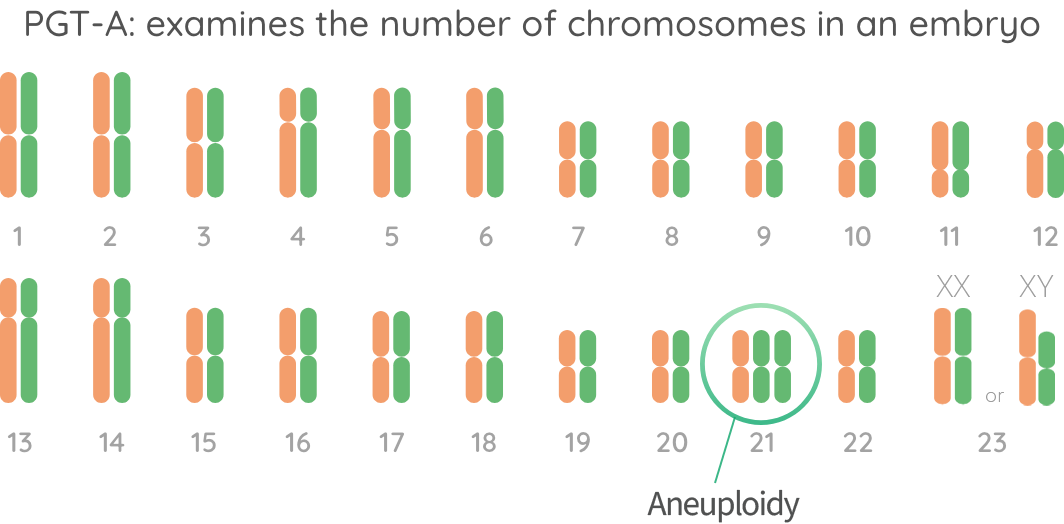
Core purpose of PGT-A
Preimplantation Genetic Testing for Aneuploidy (PGT-A), formerly known as PGS, is a genetic screening method used to detect chromosomal abnormalities in embryos before implantation. Each healthy human cell contains 23 pairs of chromosomes that maintain biological balance. If the number of chromosomes is abnormal, embryos may fail to implant successfully or may result in chromosomal disorders.
PGT-A is especially beneficial for women of advanced maternal age, patients with recurrent miscarriage, or those who have experienced multiple failed embryo transfers. By identifying embryos with a normal chromosome count, this technology helps increase pregnancy rates and reduce the risk of miscarriage.
Embryo Biopsy—The First Step in Genetic Screening
At Lee Women’s Hospital, all procedures from embryo biopsy to next-generation sequencing (NGS) and data interpretation are carried out in-house at our Genetic Diagnosis Laboratory, ensuring both sample safety and process integrity.
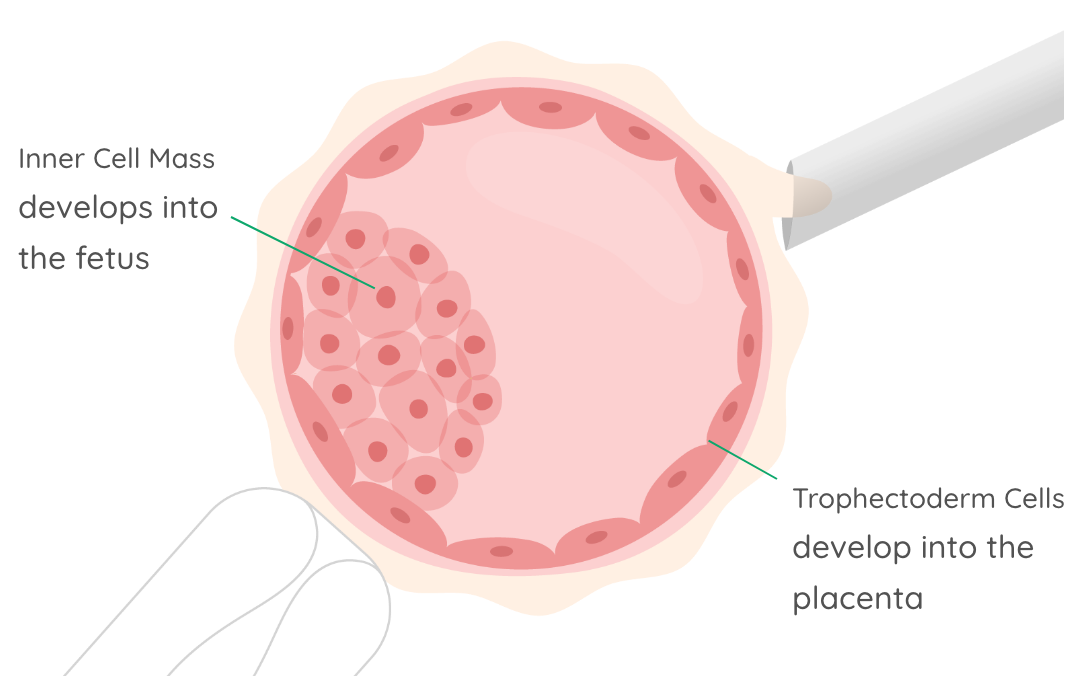
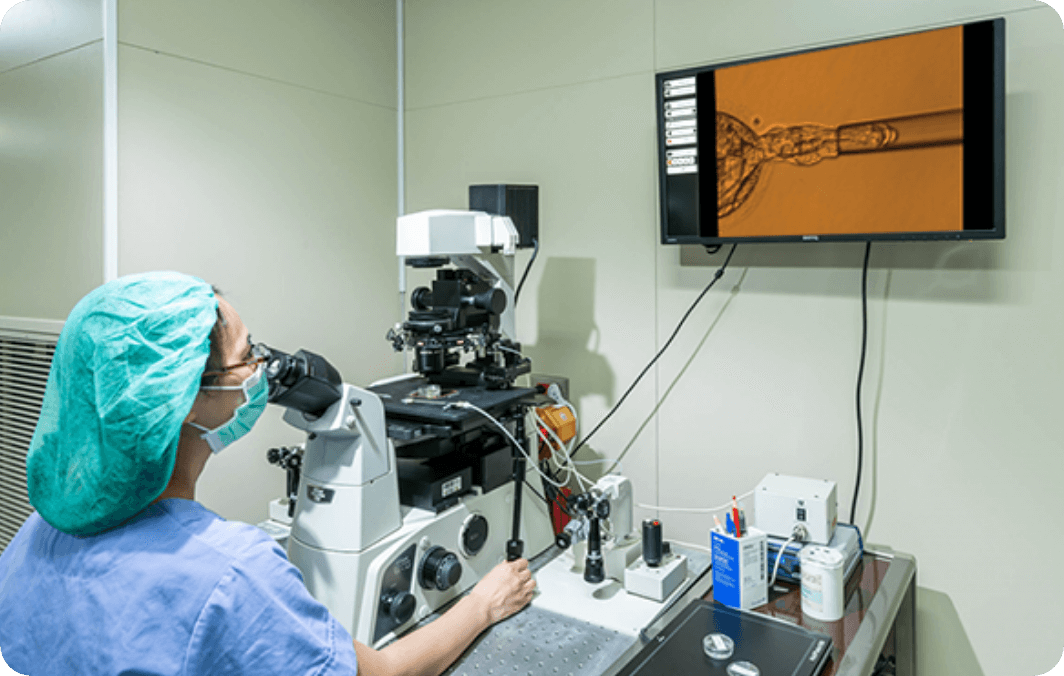
Embryo biopsy is typically performed on Day 5 or Day 6 at the blastocyst stage. Our experienced embryologists carefully remove a small number of trophectoderm cells for analysis, while leaving the inner cell mass (which develops into the fetus) untouched. This highly skilled procedure minimizes potential harm to the embryo and ensures accurate results for genetic testing.
By helping patients select chromosomally normal embryos, Lee Women’s Hospital not only improves the chance of a healthy pregnancy but also reduces the emotional and physical burden of repeated unsuccessful transfers.
Why Chromosomal Abnormalities Often Lead to IVF Failure?
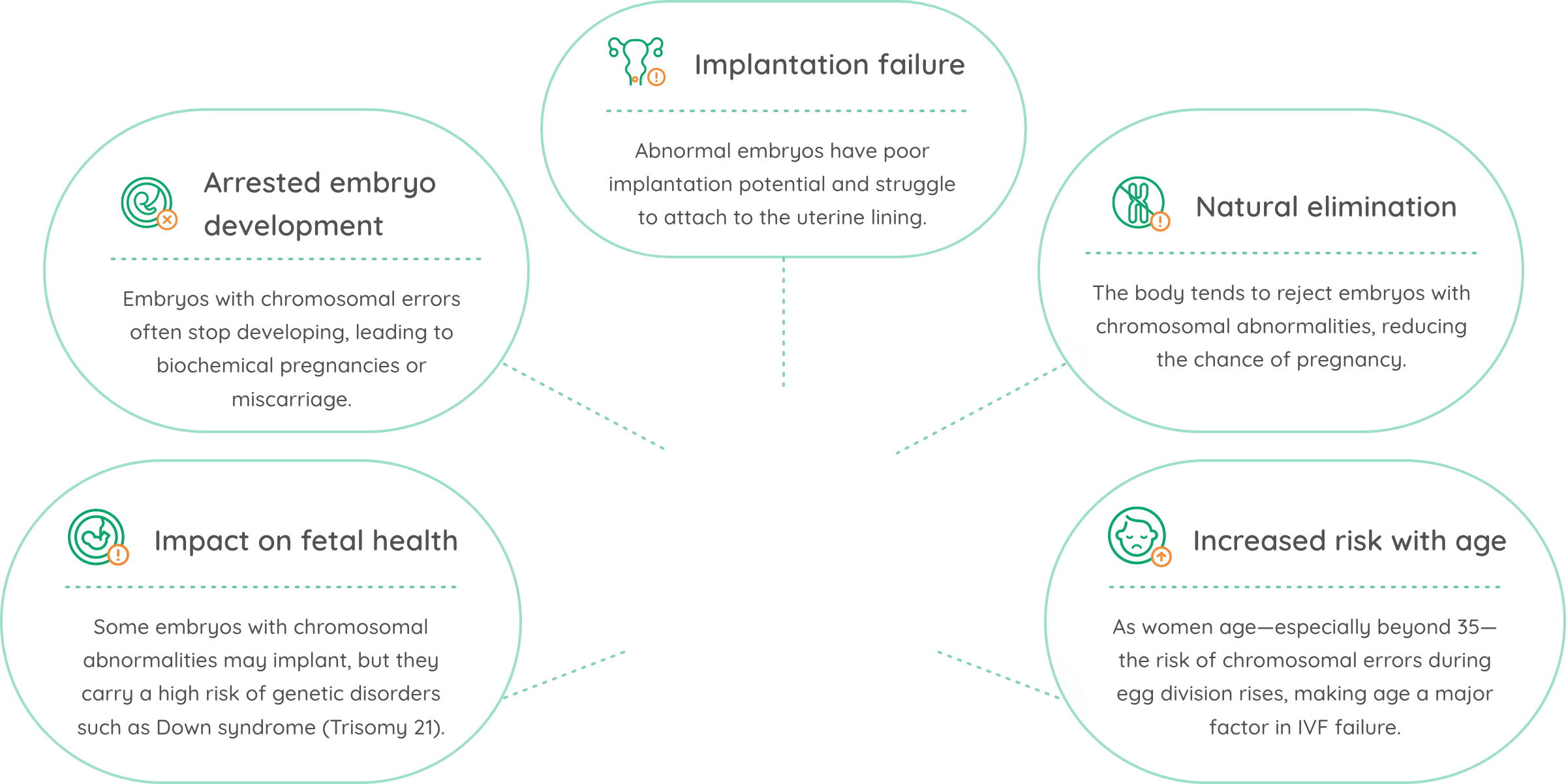
Chromosomal abnormalities are considered a key factor in IVF treatment failure, primarily due to the following core mechanisms:
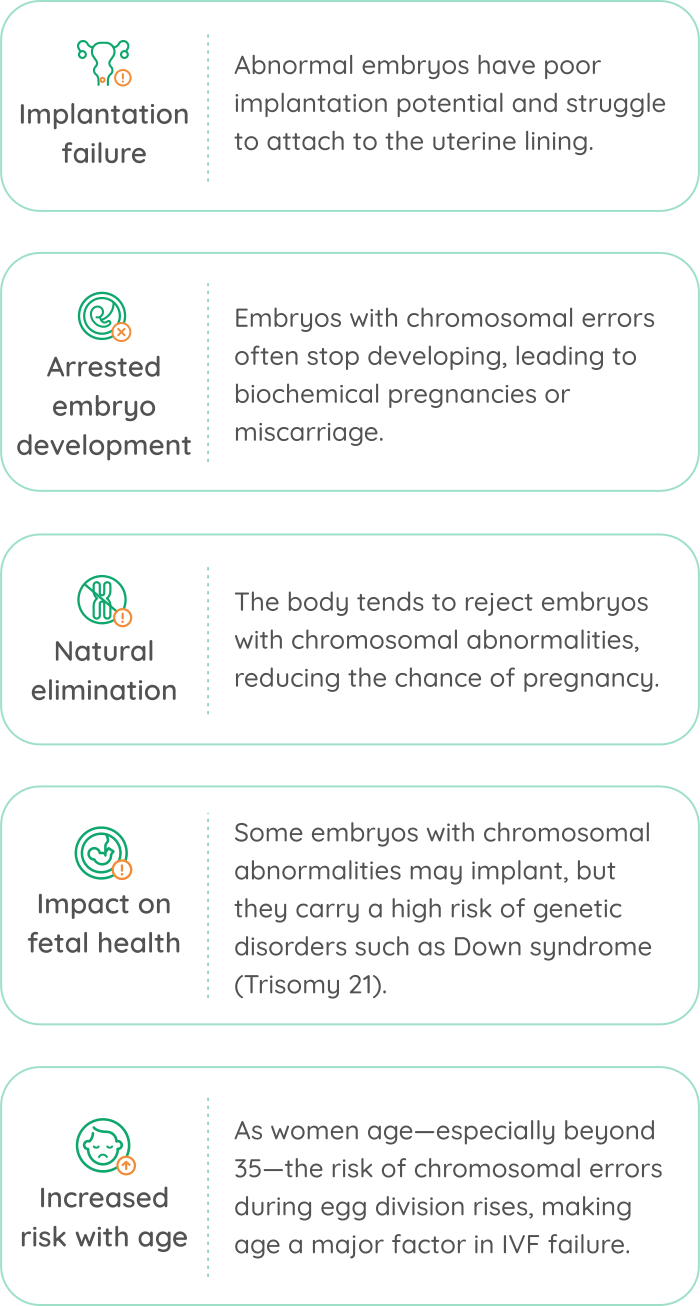
Impact on fetal health
Some embryos with chromosomal abnormalities may implant, but they carry a high risk of genetic disorders such as Down syndrome (Trisomy 21).
Arrested embryo development
Embryos with chromosomal errors often stop developing, leading to biochemical pregnancies or miscarriage.
Implantation failure
Abnormal embryos have poor implantation potential and struggle to attach to the uterine lining.
Natural elimination
The body tends to reject embryos with chromosomal abnormalities, reducing the chance of pregnancy.
Increased risk with age
As women age—especially beyond 35—the risk of chromosomal errors during egg division rises, making age a major factor in IVF failure.


PGT-A Technology Platform and Quality Assurance at Lee Women’s Hospital
PGT-A Technology
High-resolution NGS (hr-NGS) | Our laboratory uses advanced high-resolution next-generation sequencing to detect aneuploidy and mosaicism, ensuring the most accurate selection of chromosomally normal embryos. |
Fully in-house workflow | From embryo culture and biopsy to chromosomal testing and data analysis, every step is completed in-house, ensuring security and precision. |
Professional equipment & team | Equipped with cutting-edge instruments—including NGS sequencers, microarray scanners, and PCR systems—our expert team delivers accurate reports to support embryo selection. |
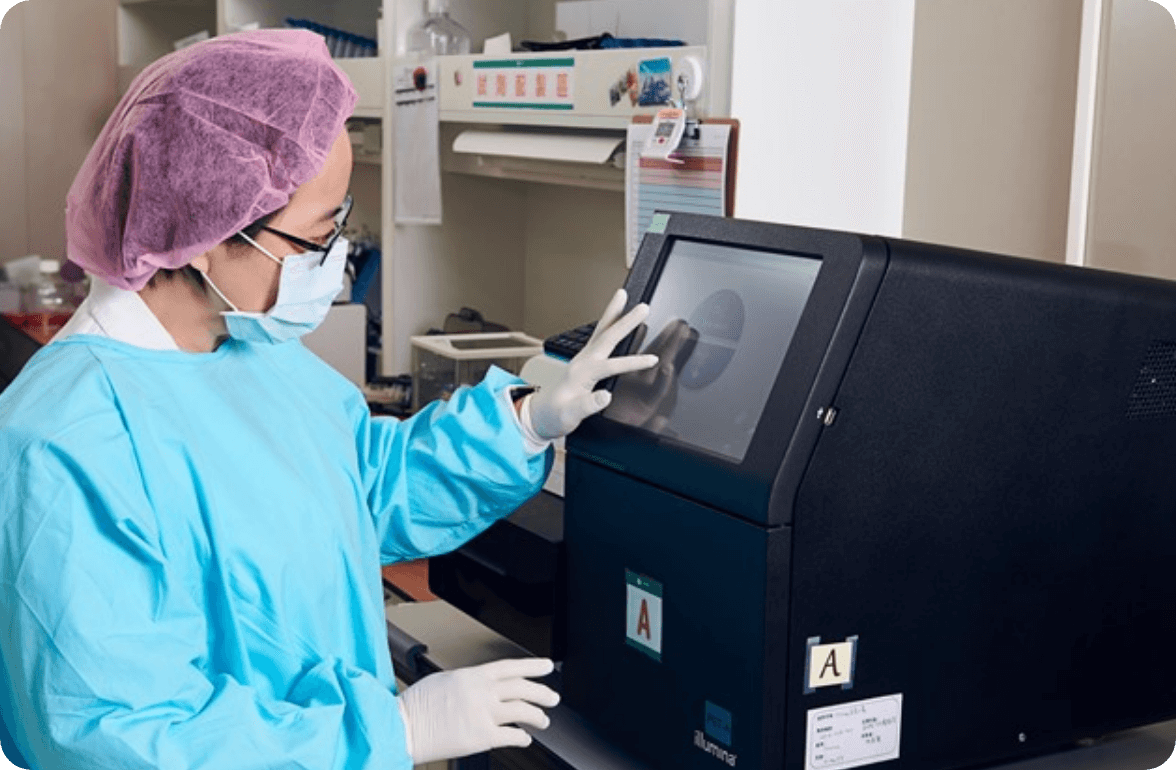
Next Generation Sequencing Machine
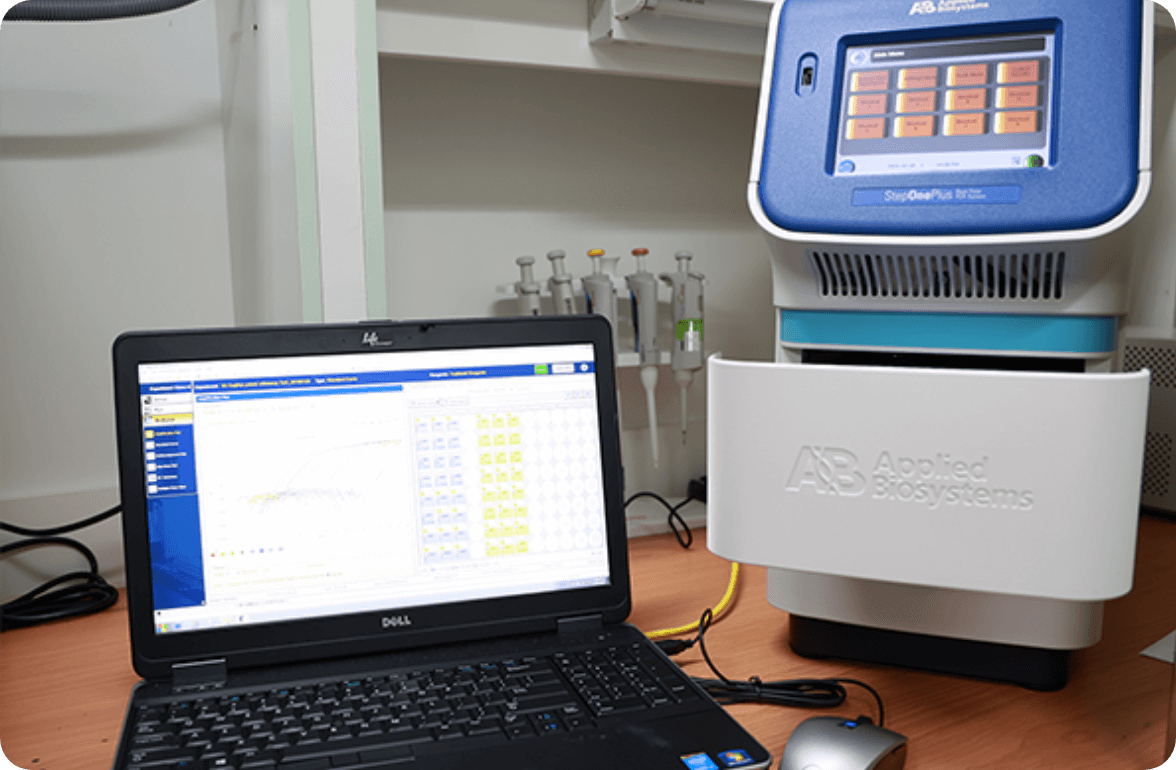
Real-time Quantitative Polymerase Chain Reaction(PCR) instrument
International Quality Standards
ISO 15189 Certification | Our Genetic Diagnosis Laboratory has been ISO 15189 certified since 2019 by the Taiwan Accreditation Foundation (TAF), and continues to follow rigorous global quality standards. |
Strong academic foundation | With over 350 peer-reviewed publications, our team regularly presents at leading conferences such as TSRM, ESHRE, and ASRM. |
Three specialized laboratories | Our Reproductive Research Lab, Genetic Diagnosis Lab, and Genetics Lab work seamlessly together, eliminating the need for external processing and reducing risks of contamination or sample loss. |
Embryo Sampling—Safe, Minimally Invasive, and Synchronized with Development
Embryo biopsy is performed at the blastocyst stage (Day 5–6), when only a few trophectoderm cells (future placenta) are sampled, preserving the inner cell mass (future fetus). Using high-resolution next generation sequencing platforms(hr-NGS) , Lee Women’s Hospital ensures accuracy while safeguarding embryo viability and implantation potential.
Clinical Benefits of PGT-A
International research, including studies published in Fertility and Sterility and Human Reproduction, has confirmed that PGT-A can:
- Improve implantation rates
- Lower miscarriage rates
- Shorten the time to achieve pregnancy
For patients of advanced age, with recurrent miscarriage, or repeated IVF failures, PGT-A significantly increases the chances of a successful pregnancy and live birth while reducing the stress of multiple treatment cycles.
Who Should Consider PGT-A?

PGT-A is not necessary for every IVF patient. It is most recommended for high-risk groups, including:
- Women aged 38 and above
- Patients with recurrent miscarriage
- Patients with multiple failed IVF attempts
- Those seeking to avoid chromosomal abnormalities in offspring
- Patients with a family history of chromosomal abnormalities or translocations
For younger women with good ovarian function and no relevant genetic risks, whether to undergo PGT-A should be determined after consultation with their physician. PGT-A is a targeted precision test designed to increase success rates, rather than a universal requirement.

PGT-A Process
Enter IVF cycle
Ovarian stimulation and ovulation induction based on individual treatment plan
Egg and sperm retrieval
Eggs collected through ovum pick-up; sperm collected or retrieved surgically if necessary
Fertilization & embryo culture
IVF or ICSI performed, embryos cultured under strict laboratory conditions
Blastocyst development (Day 5–6)
Healthy blastocysts selected for biopsy
Trophectoderm biopsy
A few trophectoderm cells sampled for genetic testing, without disturbing the inner cell mass
Chromosomal analysis with NGS
High-precision hr-NGS used to detect aneuploidy
Embryo transfer
Chromosomally normal embryos selected for transfer, maximizing pregnancy success and reducing miscarriage risk

International Excellence, Proven Results
Lee Women’s Hospital continuously benchmarks itself against the world’s leading fertility centers. Our laboratories are ISO 15189 certified, and our team has published more than 350 academic papers in reproductive medicine and genetics. We actively participate in global reproductive medicine societies such as ASRM and ESHRE, ensuring that our patients benefit from the latest scientific advances.
Comprehensive Chromosome Screening—Starting with Genetic Counseling
Before beginning treatment, we provide genetic counseling tailored to each patient’s medical and family history. This ensures a clear understanding of the purpose and process of PGT-A, helping patients select the healthiest embryos for transfer. By combining advanced laboratory technologies with personalized care, we aim to increase success rates and support every family in their journey toward parenthood.