





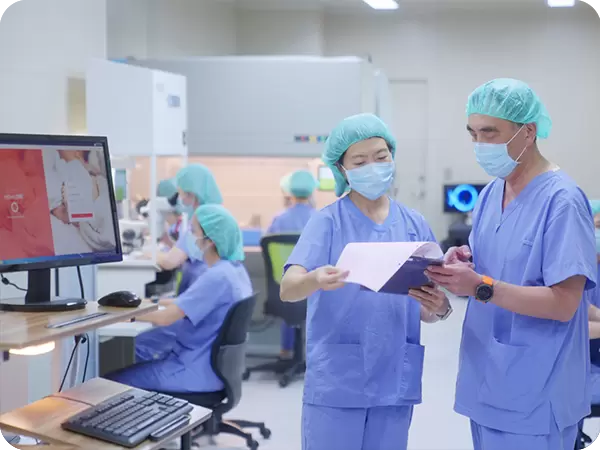


Basic Medical Research
Stem Cell Cultivation
Since 2004, the Genetic Diagnosis Laboratory of Lee Women’s Hospital has been conducting stem cell research and successfully derived Taiwan’s first embryonic stem cell line, TW1, from a blastocyst, marking a major milestone in the development of embryonic stem cell technology in the country.
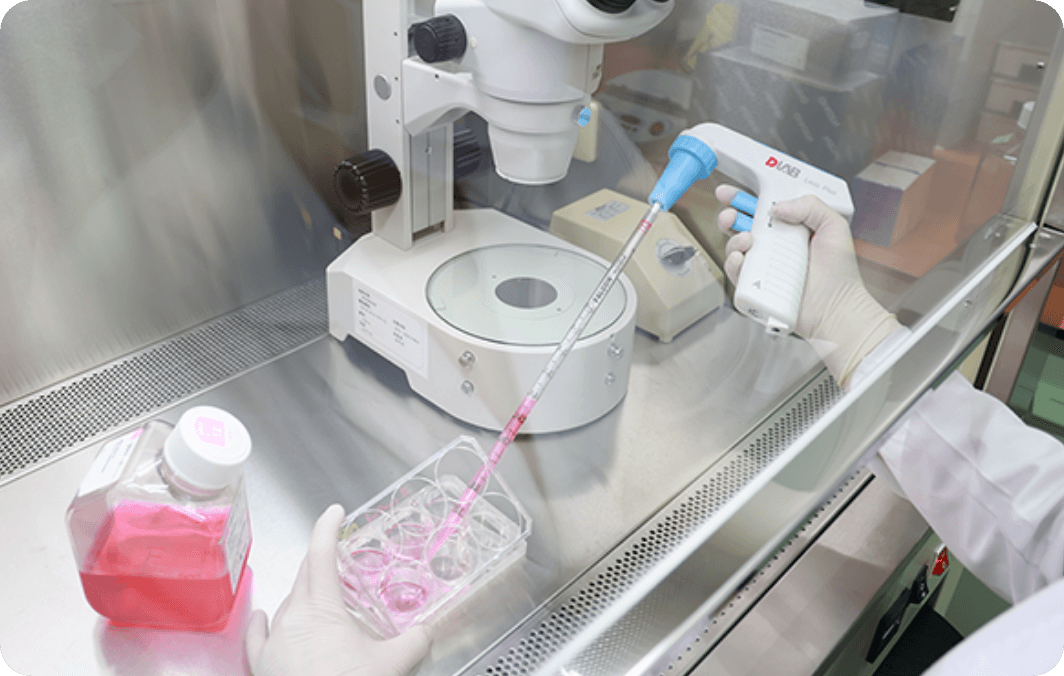
With state-of-the-art cell culture facilities and expertise, our laboratory has established seven embryonic stem cell lines carrying Taiwanese genetic backgrounds. Among these, five lines have been deposited in the National Stem Cell Bank and are accessible to both academia and industry for research applications. These stem cell lines have been widely utilized in:
- Novel drug development and high-throughput drug screening platforms
- Biotoxicity and safety assessments
- Studies of disease mechanisms and molecular biology research
In addition, the laboratory actively collaborates with multiple national biorepositories and regenerative medicine research institutions to advance stem cell technologies with clinical potential. Through these efforts, we contribute to the translational development of regenerative medicine in Taiwan and strengthen global integration in this emerging field.
The Applications of Animal Research In ART
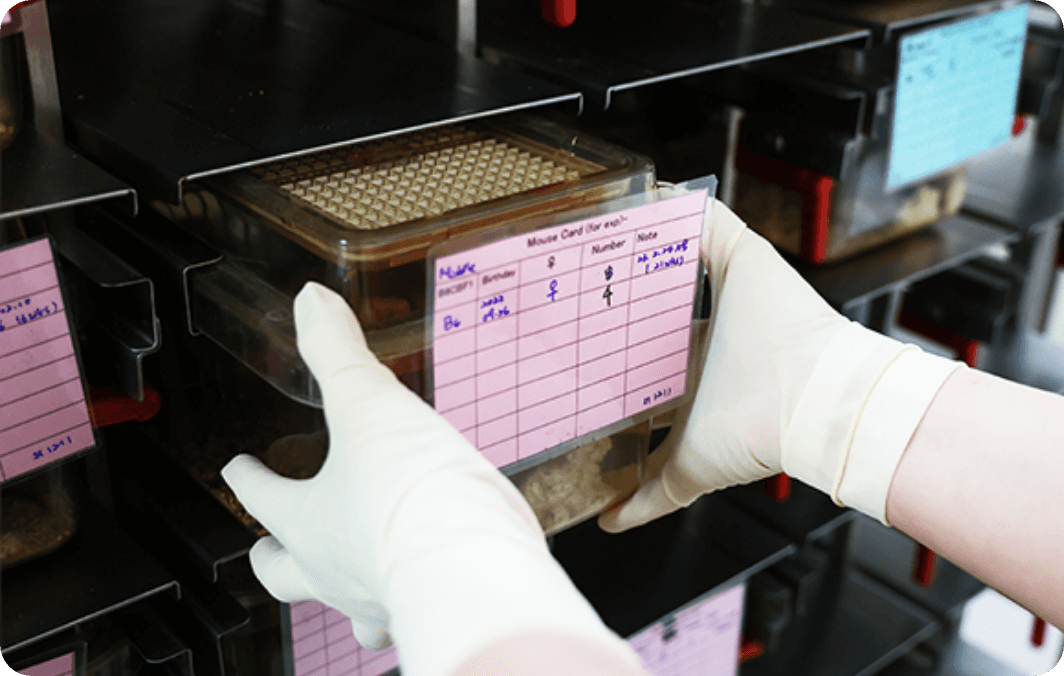
Upon the founding of Lee Women’s Hospital, Dr. Maw-Sheng, Lee, our director, established the very first animal model office in Taiwan—and possibly the world—to be built by a private fertility center.
At our laboratory, we meticulously control every detail to ensure the accuracy of our experimental results. For example, mice in our animal model office are housed in high-standard environments equipped with independent ventilation systems and supplied with reverse osmosis (RO) purified water.
Also, our animal model office, under the Genetic Diagnosis Laboratory, has been accredited by the Ministry of Agriculture (MOA). It demonstrates rigorous quality control in animal experiments and reliably performs mouse embryo assays to test the quality of embryo culture media and the safety of related consumables, ensuring accuracy and consistency of the culture environment. Backed by a strong animal research laboratory, the reproductive medicine team at Lee Women’s Hospital continues to enhance laboratory standards and capacity, while driving innovation in diagnostic technologies and strengthening research capabilities in reproductive medicine.
Applications of Animal Models
Our animal model office actively engages in reproductive medicine studies using mouse models, effectively bridging basic research and clinical applications. Major research directions include the development of precision medicine models, applications of stem cell therapy, and clinical validation of diagnostic technologies. Through these efforts, the Animal Center not only provides a strong scientific foundation for regenerative and reproductive medicine but also supports the development of personalized infertility treatment strategies.

Precision Medicine Model Development
Investigating mechanisms and developing treatment strategies for infertility caused by aging and mitochondrial dysfunction.

Applications of Stem Cell Therapy
Using stem cells to repair endometrial damage in mice and studying their effects on embryo implantation.

Validation of Clinical Diagnostic Technologies
Evaluating the correlation between genetic and molecular diagnostic techniques and clinical outcomes, providing references for precision treatment.