







Chromosome Karyotyping
Safeguarding Life from the Very Beginning
Chromosome karyotyping is a fundamental diagnostic tool in genetic medicine . Chromosomes carry the genetic information that regulates human growth, development, and reproduction. Normally, each human cell contains 23 pairs of chromosomes. Abnormalities may involve numerical changes (such as an extra or missing chromosome) or structural alterations (such as deletions, translocations, or inversions), which may lead to infertility, miscarriage, abnormal fetal development, or genetic disorders.
Karyotyping uses cytogenetic techniques and advanced microscopy to analyze chromosome number and structure, allowing physicians to accurately diagnose chromosomal-related conditions. It is an indispensable examination in reproductive medicine and chromosomal diagnostics.
Comprehensive Services for Reproductive and Genetic Needs
Chromosome karyotyping services are available for:
Infertility couples
Chromosomal analysis of both partners to detect potential genetic factors that may contribute to infertility, recurrent miscarriage, or abnormal embryo development.
Egg donors
Chromosomal screening of egg donors to ensure that donated reproductive cells are healthy and free from chromosomal abnormalities, protecting both recipients and the future generations.
Pediatric blood samples
Diagnostic evaluation of children with developmental delays, congenital abnormalities, or genetic disorders , enabling early detection and intervention.
Prenatal samples (amniotic fluid and chorionic villi)
Prenatal diagnosis of chromosomal abnormalities such as Down syndrome, Edwards syndrome, and Patau syndrome, supporting pregnancy management and informed decision-making.
Products of conception
Analysis of miscarriage tissue to understand the genetic causes of pregnancy loss, providing valuable information for IVF and reproductive treatment planning.

Why Chromosome Karyotyping Matters in Reproductive Treatment
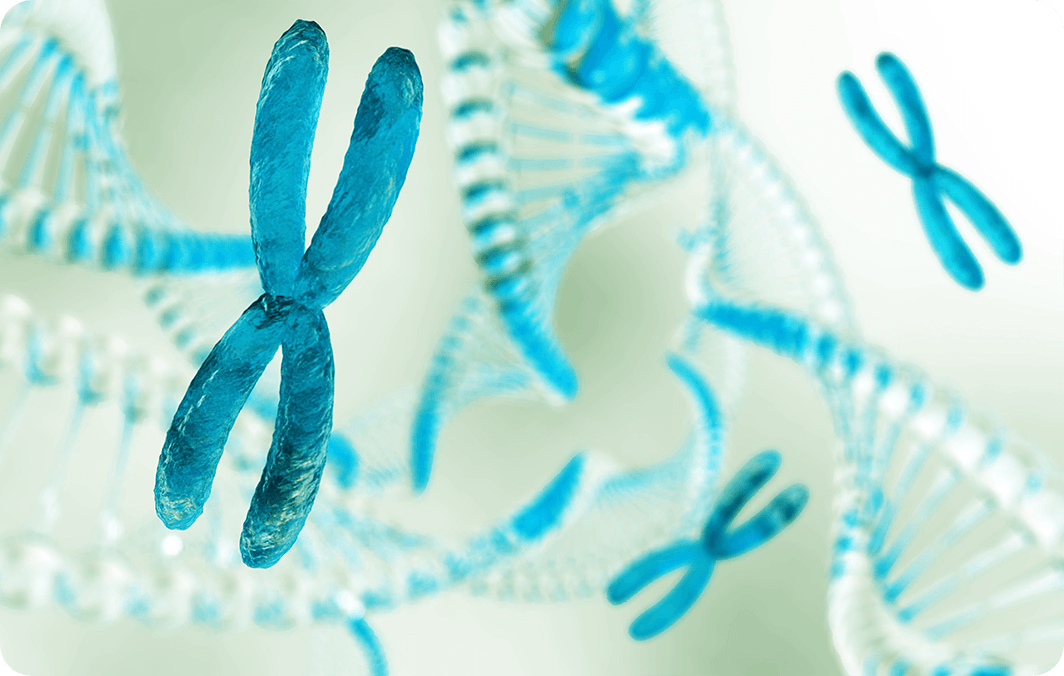
Before undergoing assisted reproductive technologies (ART), such as in vitro fertilization (IVF), karyotyping provides several key benefits:
- Evaluate causes of infertility: Detect chromosomal abnormalities underlying recurrent miscarriage or difficulties conceiving.
- Improve pregnancy success rates: Support personalized treatment strategies based on chromosomal findings.
- Reduce genetic risks: Help prevent the transmission of chromosomal abnormalities to the next generation, safeguarding maternal and child health.