


Piezo-ICSI (Piezoelectric Intracytoplasmic Sperm Injection)
Advanced ICSI Technology: Improving Fertilization and Embryo Success Rates
Piezo-ICSI minimizes oocyte damage, increases operational stability, and reduces human error during sperm injection, thereby improving clinical efficiency.
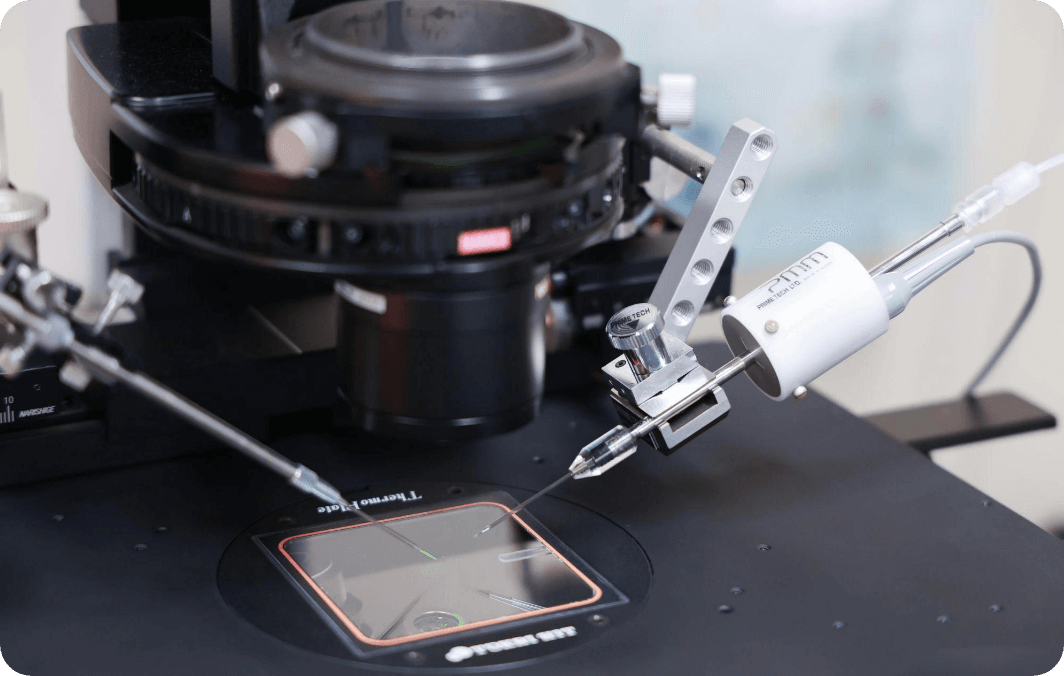
What is Piezo-ICSI?
Piezo-ICSI (Piezoelectric Intracytoplasmic Sperm Injection) is an advanced micromanipulation technique, considered an upgraded version of conventional ICSI. It aims to enhance fertilization and embryo development rates while reducing oocyte damage. In this procedure, the embryologist employs a flat-tipped micropipette in combination with a piezoelectric-driven unit. The piezoelectric unit generates precise pulsations to penetrate the zona pellucida and oolemma, thereby achieving efficient membrane perforation.
Differences Between Conventional ICSI and Piezo-ICSI
Unlike conventional ICSI, Piezo-ICSI does not require aspiration of the ooplasm. This less invasive approach reduces the likelihood of oocyte damage, allowing more precise and controlled penetration. It enhances operational stability, reduces human error during sperm injection, and significantly improves clinical outcomes. Piezo-ICSI is particularly beneficial for patients who have experienced repeated failures with conventional ICSI, have fragile oocytes, or require higher embryo quality, thus substantially increasing treatment success rates.
Conventional ICSI
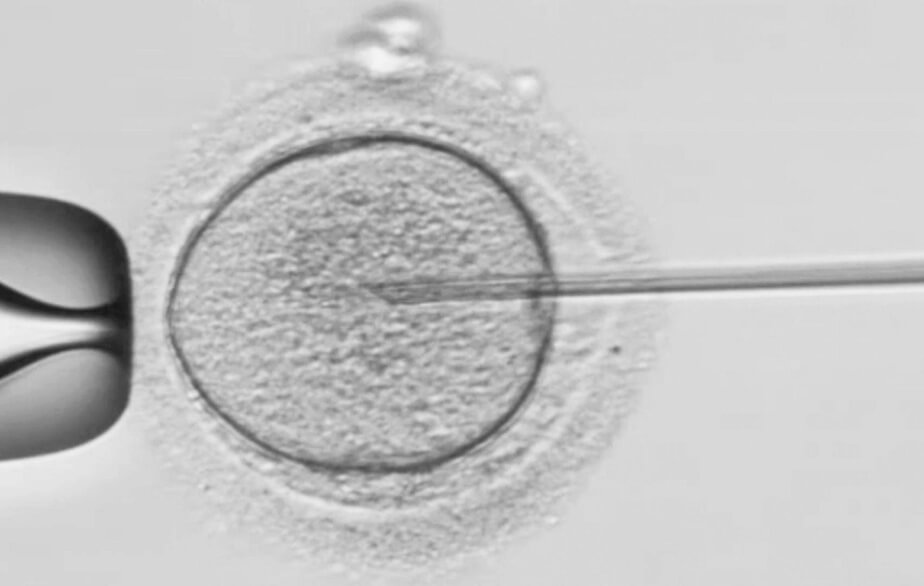
Utilizes a sharp micropipette to penetrate the oocyte
Higher risk of disrupting the oolemma
Involves aspiration of a small amount of ooplasm
Piezo-ICSI
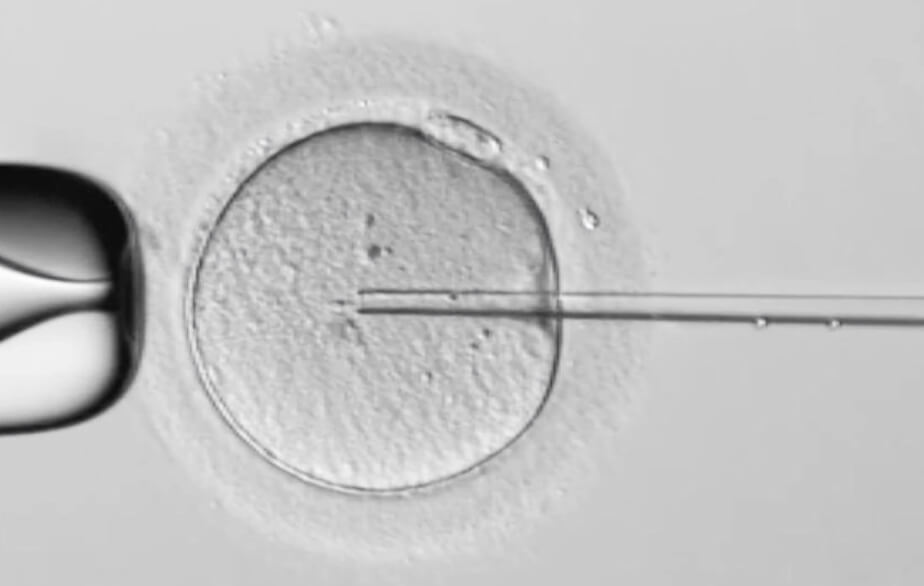

Utilizes a flat-tipped micropipette
Uses fine piezoelectric pulses to minimize membrane disruption
Avoids aspirating ooplasm into the pipette

Who Should Consider ICSI?
- Patients with low fertilization rates in previous ICSI attempts
- Oocytes that are highly sensitive or respond poorly to conventional injection
- Patients seeking to improve embryo quality and increase the number of embryos available for cryopreservation
Advantages of Piezo-ICSI

Higher Fertilization Rate
Studies have shown that fertilization rates increased from 66.8% with conventional ICSI to 77.7% while survival rates improved from 93.8% to 97.1%。

Improved Embryo Development
The proportion of high-quality blastocysts on Day 5 increased from 38.9% to 51.5%, with more embryos available for cryopreservation per cycle.

More precise in operation
Greater stability during micromanipulation, with less invasive to the oocyte.

Enhanced Safety
A non-toxic fluorocarbon medium is used, minimizing potential damage to both oocytes and spermatozoa.
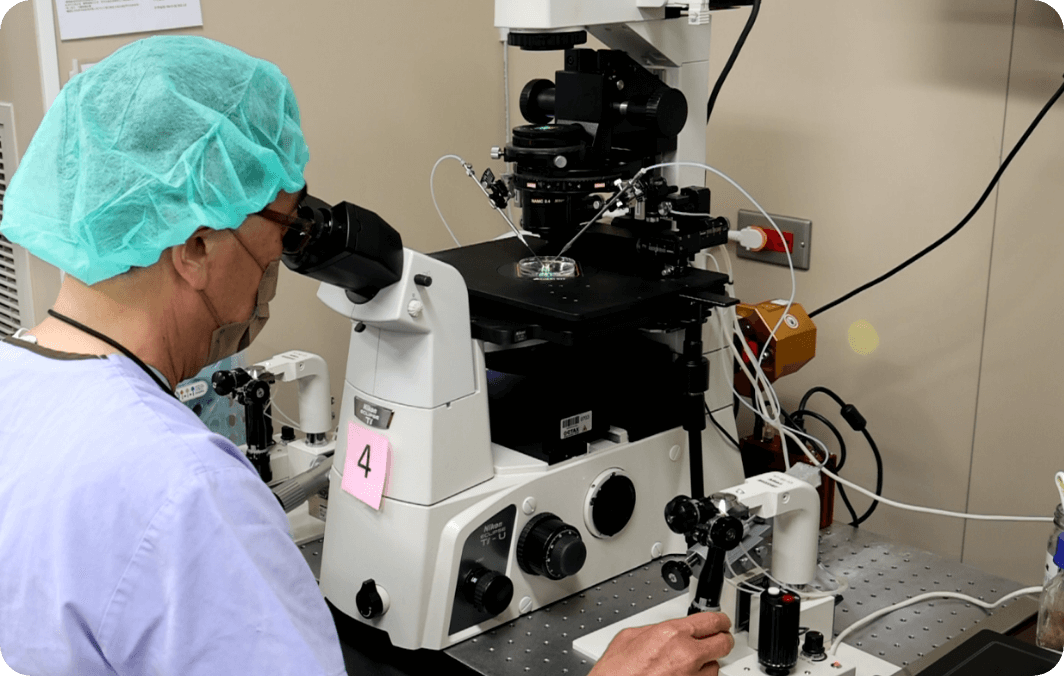
Piezo-ICSI represents a significant advancement in assisted reproductive technology. It not only increases fertilization success rates but also reduces cellular damage, thereby enhancing treatment outcomes and alleviating both physical and psychological burdens for patients. By improving fertilization and embryo quality, Piezo-ICSI has become a powerful tool to raise overall treatment success rates. Couples considering IVF may consult their doctor to determine whether this technique is appropriate for them.
- Hiraoka K, Isuge M, Kamada Y, Kaji T, Suhara T, Kuga A, Ohuchi K, Hayashi M, Kawai K. Piezo-ICSI for Human Oocytes. J Vis Exp. 2021 Apr 20;(170). doi: 10.3791/60224. PMID: 33970132.
- Caddy M, Popkiss S, Weston G, Vollenhoven B, Rombauts L, Green M, Zander-Fox D. PIEZO-ICSI increases fertilization rates compared with conventional ICSI in patients with poor prognosis. J Assist Reprod Genet. 2023 Feb;40(2):389-398. doi: 10.1007/s10815-022-02701-y. Epub 2022 Dec 31. PMID: 36586007; PMCID: PMC9935778.
- Furuhashi K, Saeki Y, Enatsu N, Iwasaki T, Ito K, Mizusawa Y, Matsumoto Y, Kokeguchi S, Shiotani M. Piezo-assisted ICSI improves fertilization and blastocyst development rates compared with conventional ICSI in women aged more than 35 years. Reprod Med Biol. 2019 Aug 24;18(4):357-361. doi: 10.1002/rmb2.12290. PMID: 31607795; PMCID: PMC6780025.